Full-Body Scanners Soon At Airports In Five Metros, Three Other Cities
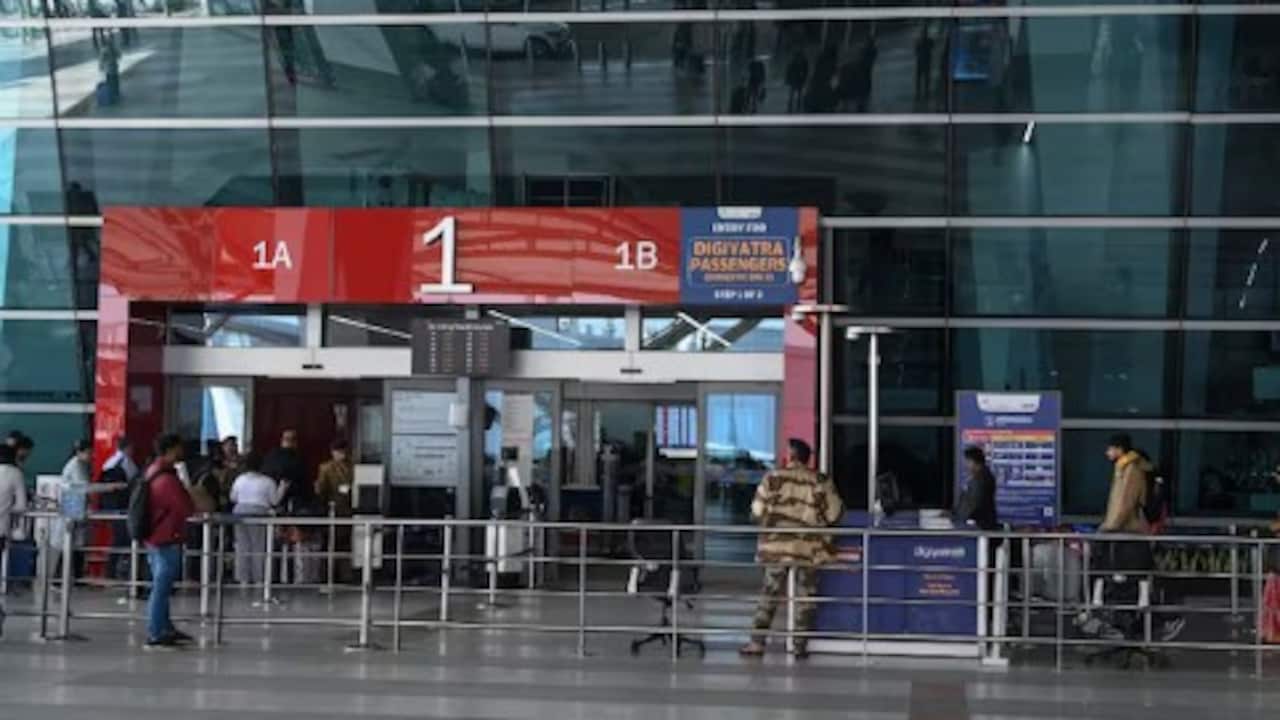
Eight airports of the country will be fitted with full-body scanners - approval has been given for Delhi, Mumbai, Kolkata, Chennai, Bengaluru, Hyderabad, Kochi, and Ahmedabad airports. Modifications, however, are being made to the full-body scanner algorithms keeping in mind the Indian sensitivities, sources said.
Indian security agencies have been trying to introduce full body scanners as used abroad for over two decades. Certain pilot projects, however, indicated that the passengers are not very comfortable with the idea.
Now, this is part of a whole gamut of changes being adopted by the Bureau of Civil Aviation Security -- the national regulatory authority for civil aviation safety -- and comes a day after an Indian pilot faced attack with a sharp instrument while trying to stop his copilot's attempts to crash a flydubai flight from Dubai to Tel Aviv. The incident has sparked a heightened scrutiny of aviation security.
The advanced scanners have already reached three of the eight selected airports, while installation at the remaining five airports is expected to be completed shortly, the ministry said.
The government is currently collecting and analysing data from the machines to fine-tune the screening process and minimise errors before they are deployed.
Scanners To protect Passenger Privacy
The ministry has also sought to address concerns over passenger privacy, saying the new scanners will be "picture-agnostic".
Instead of displaying an actual image of a passenger's body, the system will generate a generic 3D representation. This is intended to ensure that a passenger's identity and physical features are not revealed during security screening.
The scanners will flag only suspected objects that may be concealed on or worn by a passenger, officials said.
Algorithms For Indian Clothing
The technology is also being configured to account for clothing commonly worn by Indian passengers. Special algorithms are being developed and integrated into the scanners to help distinguish between clothing and potentially suspicious objects.
The government is analysing data from the systems as part of efforts to ensure that the technology can provide effective security screening without compromising passenger privacy.
Government Reviews Flydubai Incident
On the recent Flydubai incident involving two pilots, Civil Aviation Ministry Secretary Samir Sinha said the government is monitoring the situation.
He said the ministry is reviewing the circumstances and that senior officials will be informed immediately if any fresh advisory or other measures are found necessary.
KioskNews shows a cleaned-up reading view extracted from the publisher’s page — the original always lives on their site, not ours.