DV killings are our failure to protect the most vulnerable
The four domestic violence deaths at the weekend raise the spectre that the most inhumane of crimes is easily outrunning attempts by NSW authorities to save the most vulnerable people in our society: women and children.
Just 12 years ago, when Victorian mother Rosie Batty’s 11-year-old son, Luke, was killed by his father in the summer of 2014, it seemed a watershed moment, raising national awareness of domestic violence. Governments took notice. Prime Minister Anthony Albanese was to call it a “national crisis” and committed to ending domestic and sexual violence in a generation. The Minns government increased funding and closed legal loopholes.
But NSW Police now attend a domestic violence incident every three minutes across the state and the Counting Dead Women Australia website reported 52 women died across Australia last year, 15 in NSW. The number jumped from six deaths four years earlier. The website said 10 women had been killed in NSW this year alone.
The horror came home again at the weekend.
A Sydney mother is expected to be charged with the murder of one of her children and the attempted murder of two others. The stabbing of her five-year-old boy and his two siblings inside a car in the Blue Mountains on Sunday afternoon was the fourth domestic violence-related death across the state in just over 24 hours.
Earlier, a woman had been found decapitated in her Mole Creek home in northern NSW; an elderly woman had been allegedly stabbed to death in Bondi by her grandson, who said he was suffering the side effects of Ozempic; and a 23-year-old woman was fatally stabbed inside a home in a Wagga Wagga suburb.
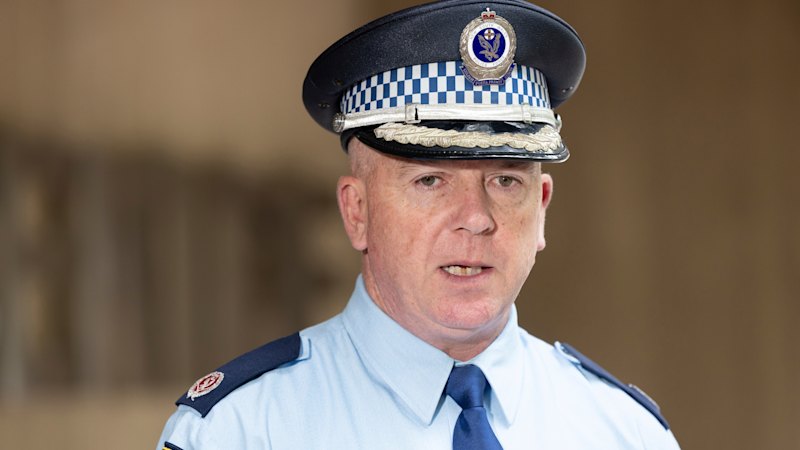
NSW Police Deputy Commissioner Peter McKenna said he could not remember a weekend like this in his career. He said none of the relationships at the centre of the attacks were known to police for domestic violence, and no apprehended domestic violence orders were in place to protect the alleged victims: “It is really overwhelming.”
Knives or edged weapons were used in all four killings, another reminder that, despite all the resources and awareness campaigns that have been targeted to address domestic violence and knife crime, they remain a major problem in NSW.
As things stand, the victims and perpetrators remain hidden. The weekend killings came out of the blue to authorities. Yet, early mental health signs that could help identify potential problems are often ignored and there is little or no access to services.
Domestic Violence NSW, the peak body representing more than 200 organisations, said no single government, service or system could solve this ongoing tragedy alone and what was needed was investment at the scale of the crisis and a genuinely integrated response, from federal government through to local communities.
Authorities need to dismantle the silo approach, strengthen connections between domestic violence services, mental health services, housing, justice, child protection and education.
Support is available from the National Sexual Assault, Domestic Family Violence Counselling Service at 1800RESPECT (1800 737 732), the Men’s Referral Service on 1300 766 491, Lifeline on 13 11 14 or Beyond Blue on 1300 22 4636.
KioskNews shows a cleaned-up reading view extracted from the publisher’s page — the original always lives on their site, not ours.