Ukrainian children who fled Putin’s war were pushed to study Russian in UK schools
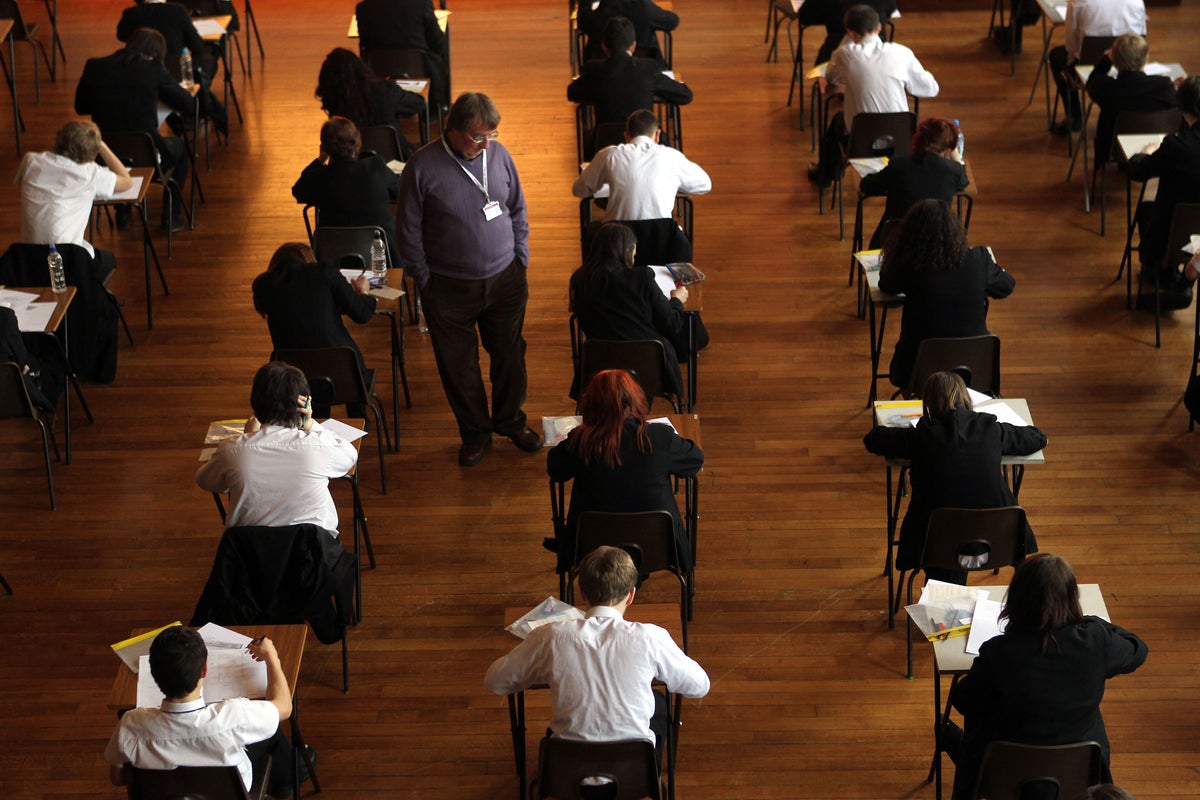
The government has apologised to Ukrainian children who were forced to take a Russian GCSE as it announced funding for a new Ukrainian course.
It comes after children seeking refuge in the UK following Vladimir Putin’s full-scale invasion in 2022 were told to study Russian in the absence of a Ukrainian GCSE.
Speaking as she launched the new qualification at a school in west London on Tuesday, education minister Georgia Gould, said: “So many students were pushed into having to do Russian. I’m really sorry that they were put in that position. It’s really important that they will have access to a Ukrainian GCSE,” The Guardian reports.
The new qualification, which is expected to be ready to be taught in schools from September 2028, is being developed by the AQA exam board and comes as part of the UK-Ukraine 100 Year Partnership signed by Sir Keir Starmer.
It follows lobbying from Ukrainians in the UK and Kyiv’s education ministry, who previously told the department for education: “We are deeply concerned that due to the lack of Ukrainian GCSE, many Ukrainian children are being pressured by their school staff to pass the Russian GCSE.”
The Ukrainian language has become a key cultural battleground in Moscow’s conflict after Putin banned the teaching of Ukrainian and Ukrainian books in land occupied by Russia.
Education secretary Lucy Powell, said it is “right that Ukrainians and their children should have every opportunity to maintain that connection to their heritage and to be proud of who they are”.
“This new qualification is available to all pupils and will give them the chance to develop their language skills and celebrate Ukraine's rich culture and history, while also opening pathways to future study and employment and strengthening our partnership with Ukraine,” she added.
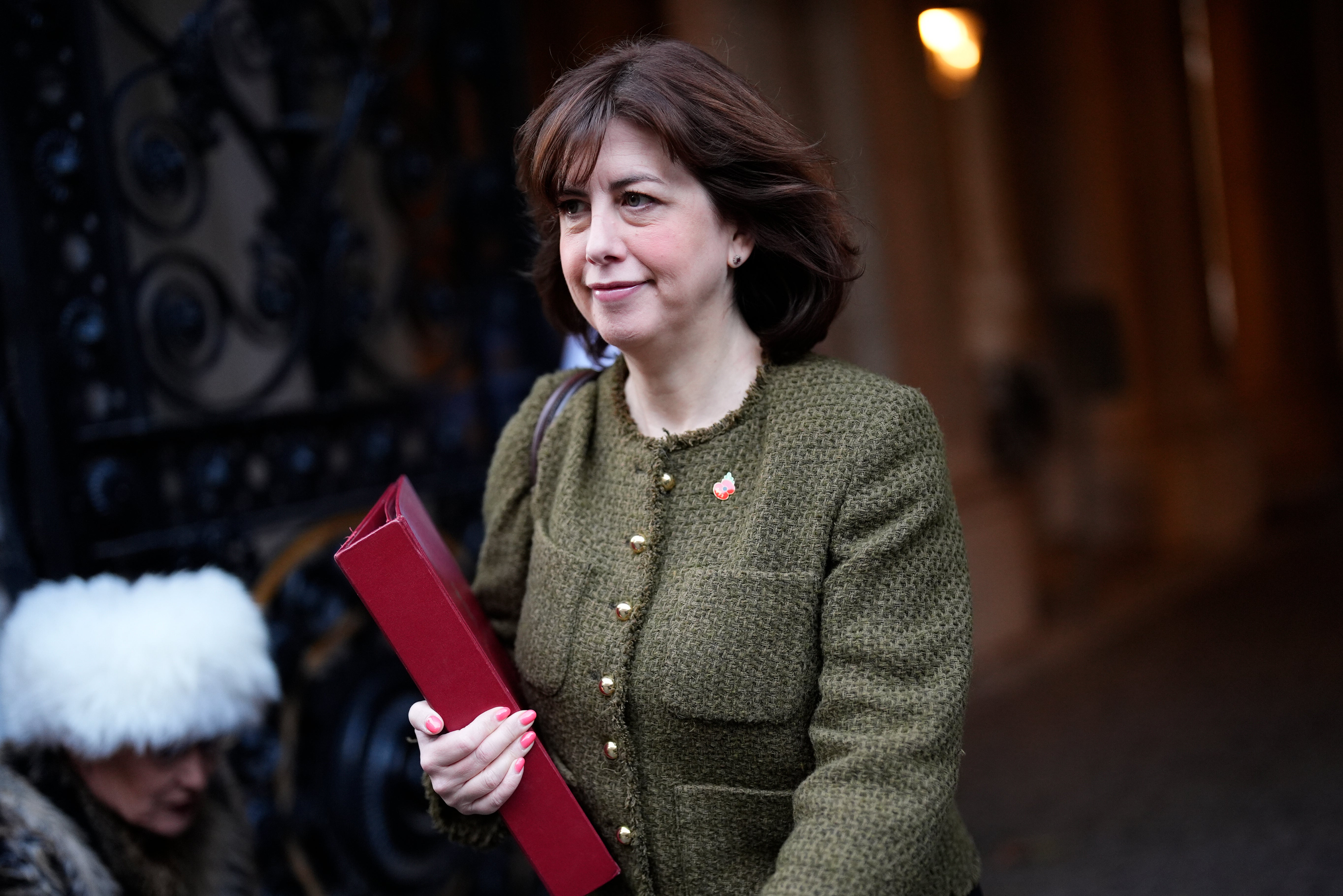
“Through that enduring partnership, we are building the lasting ties between our countries that will see the young minds of the future move forward together, and foster connections that transcend borders.”
Andrii Butenko, minister of education and science of Ukraine, said: “Today marks an important milestone towards the introduction of a Ukrainian GCSE, long called for by the Ukrainian community in the UK.
“British schools opened their doors to thousands of Ukrainian children following the start of Russia’s full-scale war of aggression against Ukraine, and we will always be grateful for that.
“We welcome the UK government’s next step towards giving Ukrainian children a genuine choice in their education while respecting their identity.”
KioskNews shows a cleaned-up reading view extracted from the publisher’s page — the original always lives on their site, not ours.