Israel’s parliament moves to roll back Netanyahu’s divisive legacy
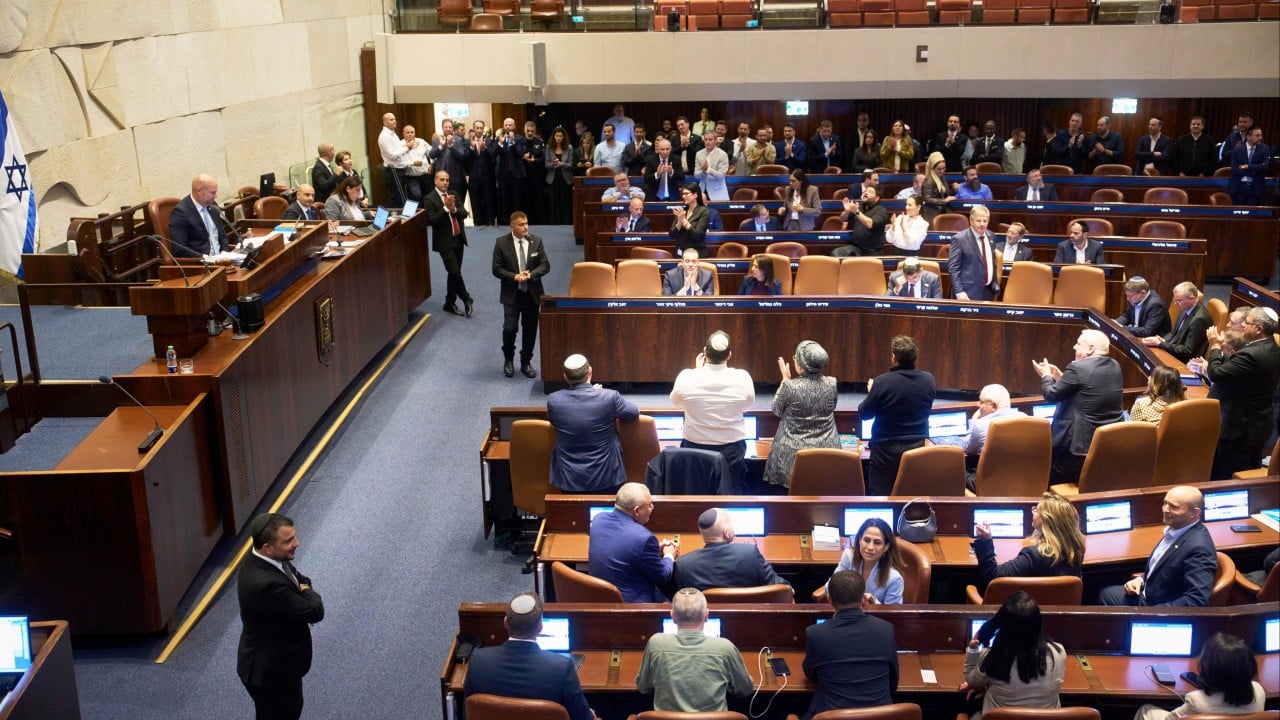
Israel’s parliament met under a new speaker from the anti-Benjamin Netanyahu bloc on Wednesday, as opponents of the caretaker prime minister began a legislative offensive to roll back his divisive legacy.
In the vote for parliament speaker late on Tuesday, 66 lawmakers out of 120 voted in favour of Matan Kahana, an ally of former military chief Gadi Eisenkot who has until next month to form a government to replace Netanyahu.
The speaker is an important office as it sets the timetable for parliamentary business and can therefore speed up or delay debates or votes on proposed legislation.
With Kahana at the helm, Eisenkot’s camp has an opportunity to deal blows to Netanyahu’s legislative agenda even before a possible government is formed.
High on the list is repealing the sweeping reforms to reduce the independence of the judiciary that were advanced by Netanyahu, who has been enraged over corruption charges against him that could land him in prison if he loses power.
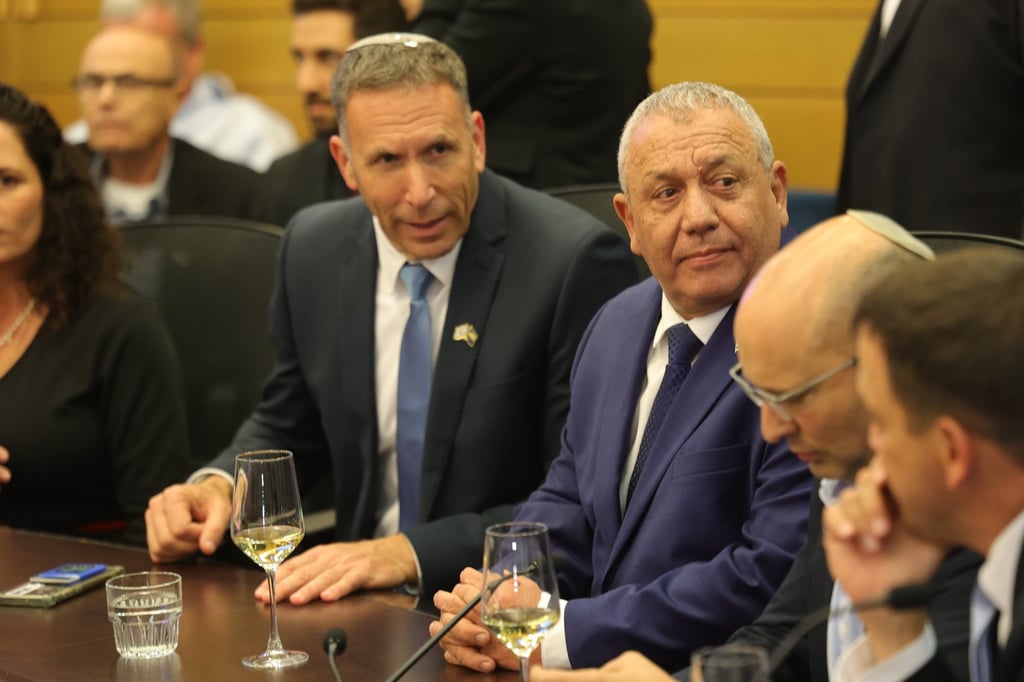
On Wednesday, a temporary committee in charge of organising parliamentary business approved waiving the usual 45-day waiting period for a series of private members’ bills put forward by both Eisenkot and Netanyahu’s blocs.
The Knesset held preliminary votes on bills from Eisenkot’s camp to reverse Netanyahu-era legislation aimed at increasing political influence over the judiciary and broadcast media, as well as weakening the role of the attorney general.
All passed the preliminary readings, but must still clear several parliamentary stages and be put to three votes before becoming law.
Netanyahu’s bloc put forward bills seeking to revoke the rights of lawmakers who do not recognise Hamas as a “terrorist organisation” and to ban interfering with the Jewish religious practice of laying tefillin – binding small boxes containing Torah scrolls to the arm or head – in public spaces or educational settings.
Both also passed preliminary readings after Eisenkot’s bloc said it would not take part in those votes and left the chamber.
“We will have no part in Likud’s political theatre,” Eisenkot’s Yashar party said in a statement, referring to Netanyahu’s right-wing party.
Kahana, a 54-year-old former special forces soldier who is now a member of Yashar, was elected on Tuesday with the backing of the two Arab-majority lists, who won an unprecedented number of seats in the October 27 election.
“I intend to serve as speaker for everyone, regardless of religion, race or gender,” Kahana said during his inauguration speech immediately after the vote.
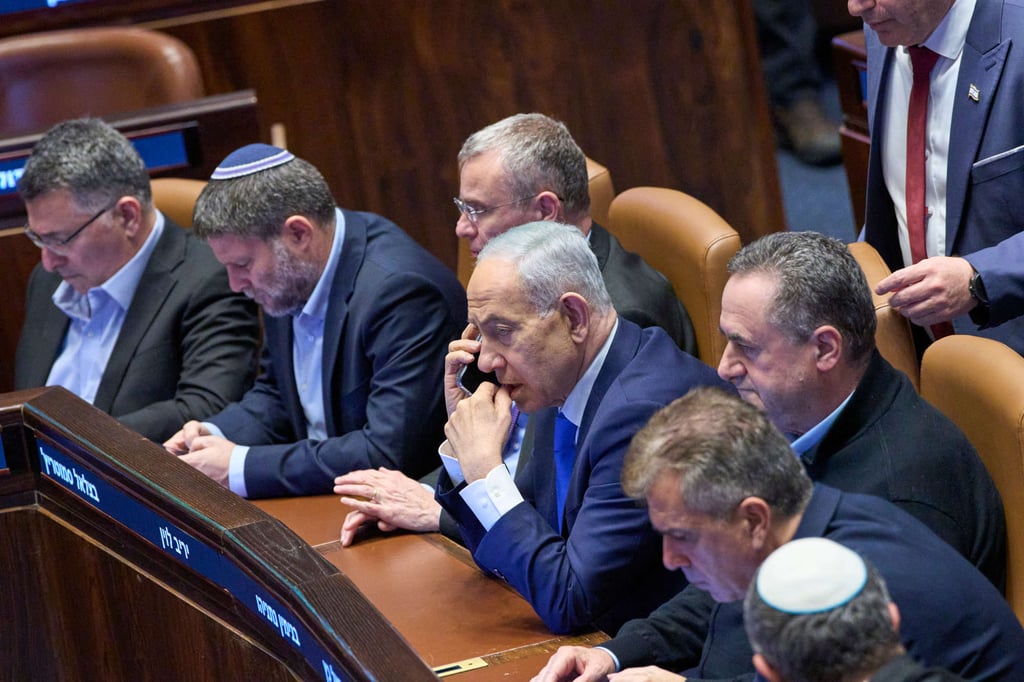
The October election failed to deliver a clear majority for either Eisenkot or Netanyahu’s bloc.
Netanyahu on Tuesday acknowledged the result in a rare statement free from political attacks on his opponents.
“The results of these elections are not what I wanted, nor are they what others wanted, but they are what the people want,” he told journalists, calling for unity.
Netanyahu, who has reportedly been urging US President Donald Trump to resume war on Iran, has talked up the threat from Tehran as he insists on the need for a unity government with Eisenkot.
As well as repealing Netanyahu’s divisive judicial reforms, Eisenkot has also vowed to quickly set up a state commission of inquiry to investigate security failures that led to Hamas’s October 7, 2023 attack – the deadliest day in Israel’s history.
Netanyahu, who has built his brand on saying he will ensure Israel’s security, has refused an independent probe, instead proposing one whose members would be chosen by politicians.
KioskNews shows a cleaned-up reading view extracted from the publisher’s page — the original always lives on their site, not ours.