Southeast Asia starts to rethink its AI data centre boom: ‘at what cost?’
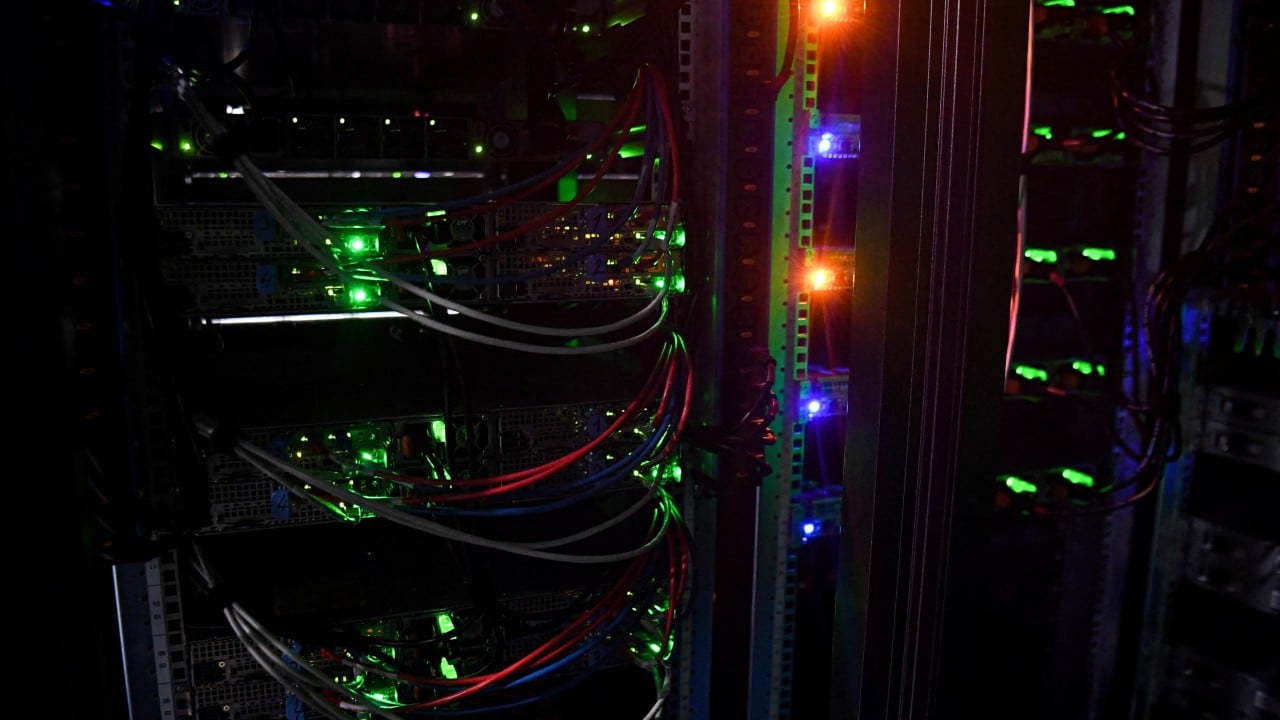
Southeast Asian governments are learning some hard truths about the data centre boom they spent years working to attract, analysts say – it promises jobs, digital infrastructure and a foothold in the AI economy, but the rapid buildout is also straining power grids, land and regulatory systems.
“There is this enthusiasm to attract investments, but now it raises the question: at what cost and at what speed?” said policy researcher Mark Manantan, a research fellow for the Centre for Global Security at La Trobe University.
At first, governments had good reason to aggressively compete for data centre investment, said political economist Alvin Camba, a non-resident fellow at the Atlantic Council’s Indo-Pacific Security Initiative.
“They bring in large investments, support cloud and AI infrastructure, and governments worry about being left behind,” said Camba, who is also director of research at US-based AI firm Lyvi.
“In that sense, not having enough capacity looked worse than having too much. The problem is that governments understood the upside much better than the downstream costs.”
That tension is now pushing governments across the region to take a closer look at data centre projects.
Last week, the governor of Indonesia’s West Java province ordered an immediate halt to construction at a site run by Singapore’s BDx Data Centres following an inspection, reportedly because key permits had yet to be issued, including the project’s environmental impact assessment.
BDx, which runs data centres for cloud companies and other enterprises across Asia, broke ground on the 640-megawatt AI data centre campus in Jatiluhur on September 22.
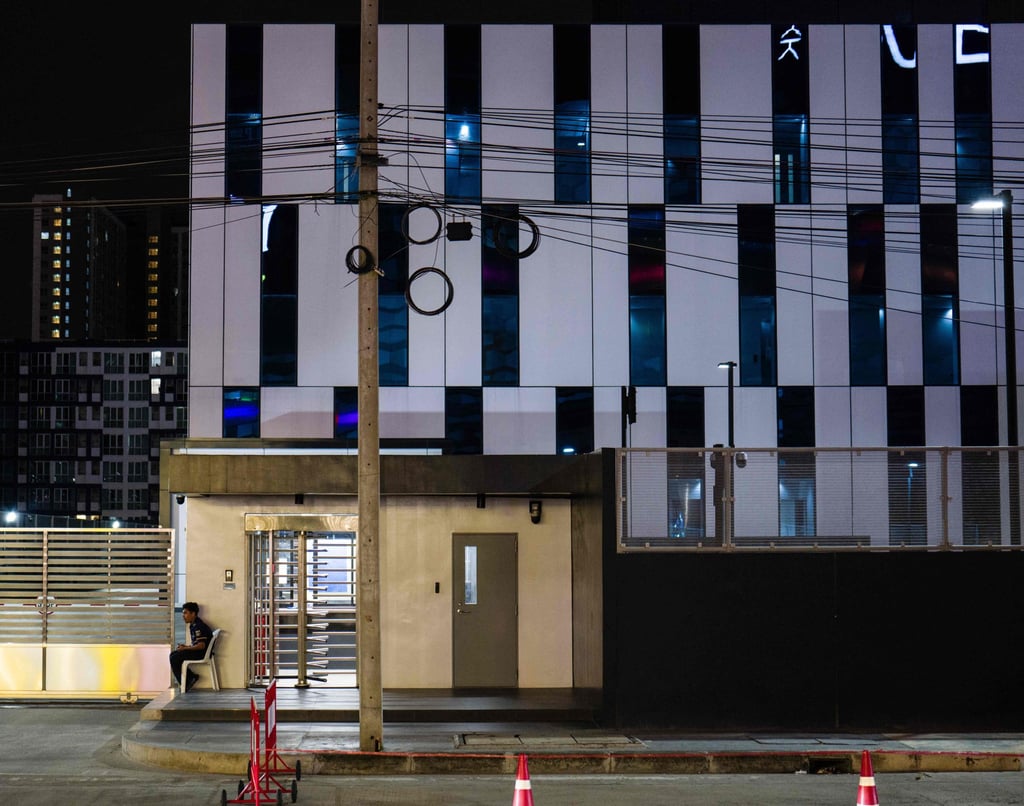
On September 4, Thailand paused work on 166 data centre projects – 49 of which were under construction and 117 awaiting approval – while government agencies drew up nationwide standards governing resource use, locations, safety and economic benefits.
“These are different levels of government responding to different regulatory gaps,” Manantan said. “The buildout outran the rule book.”
Stricter rules will not automatically make Southeast Asia less competitive, according to Camba, as investors do not necessarily need the most permissive regulatory environment.
“They need to know that they can actually secure power, water, permits and connectivity and continue operating predictably,” he said. “The countries with reliable infrastructure and predictable rules may actually be more competitive than the ones that simply approve everything.”
Singapore was one example of this, he said, with Johor also moving in the same direction as it continued to attract large investments.
“Investors can live with rules, but not with unpredictability,” Manantan said. “Competitiveness will depend less on how loose the rules are and more on how coordinated and predictable they are.”
Taking stock
The recent rethink also lent regional governments more bargaining power, Camba said. “If electricity and water are scarce, they can ask what exactly they are getting in return. That could mean local procurement, renewable power, technology transfer or more investment in domestic AI capacity.”
James Guild, an assistant professor of political economy at the Indonesian International Islamic University, said the regulatory interventions were a response to the rapid acceleration of data centre investment across the region.
“Investment is pouring in, there are lots of project approvals and applications, and this is possibly straining regulators’ ability to keep up,” he said. “A pause or slow-down gives them time to adjust and maybe seek to get more value out of these projects.”
Analysts say the same factors that make Southeast Asia attractive to data centre operators – cheap land, governments eager for investment and affordable power and water – are now becoming constraints.
“Once enough projects arrive, those resources stop being abundant,” Camba said.
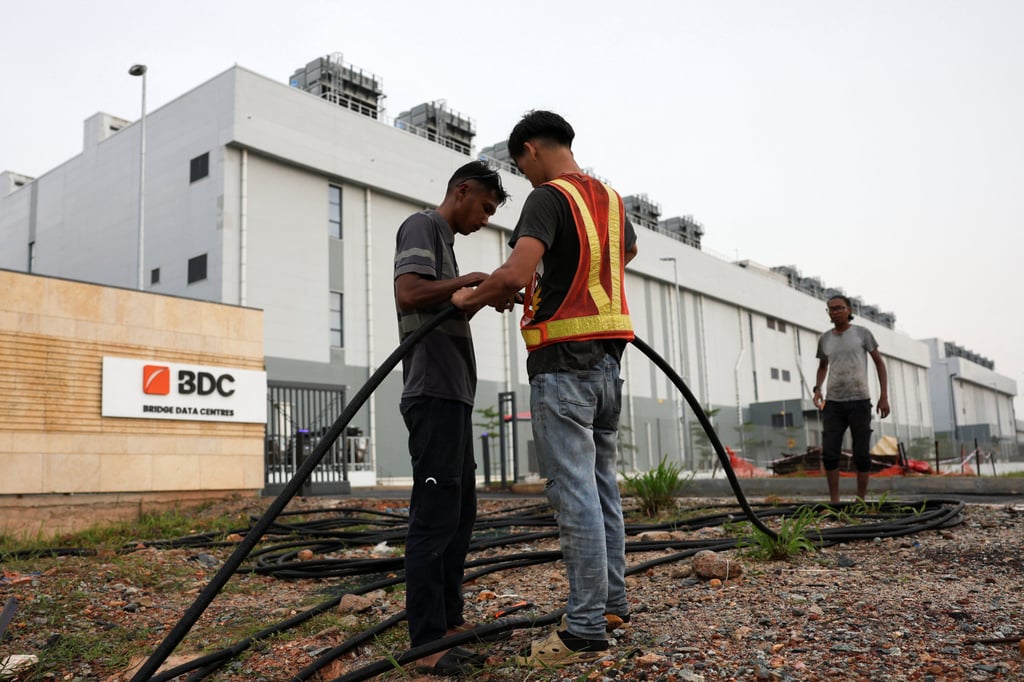
He pointed to Malaysia’s Johor state as a clear example. “It initially attracted enormous investment precisely because those inputs were relatively cheap,” he said. “However, Malaysia is now becoming more selective because the data centre pipeline has grown large enough to pressure power and water resources.”
In other words, data centres not only consume scarce resources, they also change the economic realities of the areas that host them.
In July, a developer’s consultant withdrew an application to reassess the feasibility of a potential site in Kota Damansara, near the Malaysian capital Kuala Lumpur, after the local council received nearly 300 objections to its development.
At a public hearing in Iloilo province, the central Philippines, in August, residents and farmers protested against a proposed 50MW AI data centre so vociferously that its Norwegian investor withdrew the application days later.
Public protests
Although public backlash does not appear to be the primary driver of government decisions, analysts say addressing criticism is essential to mitigate the political cost of such projects.
“Another important question is whether the demand for data centre services will be sufficient to justify such massive investment outlays,” Guild said. “People are starting to question that assumption even in the US, and it’s worth considering in Southeast Asia as well where so much of economic activity is still informal sector work.”
Camba said the objections emerging around individual projects reflected a broader question about who would ultimately bear the costs of the AI data centre buildout.
“The pushback comes from the fact that governments competed for these projects before fully understanding what hosting them at scale would mean,” he said.
“They understood the investment figures and the strategic argument, as well as the fear of falling behind. What they understood less clearly was what happens when dozens of projects start competing for the same power, water and land.”
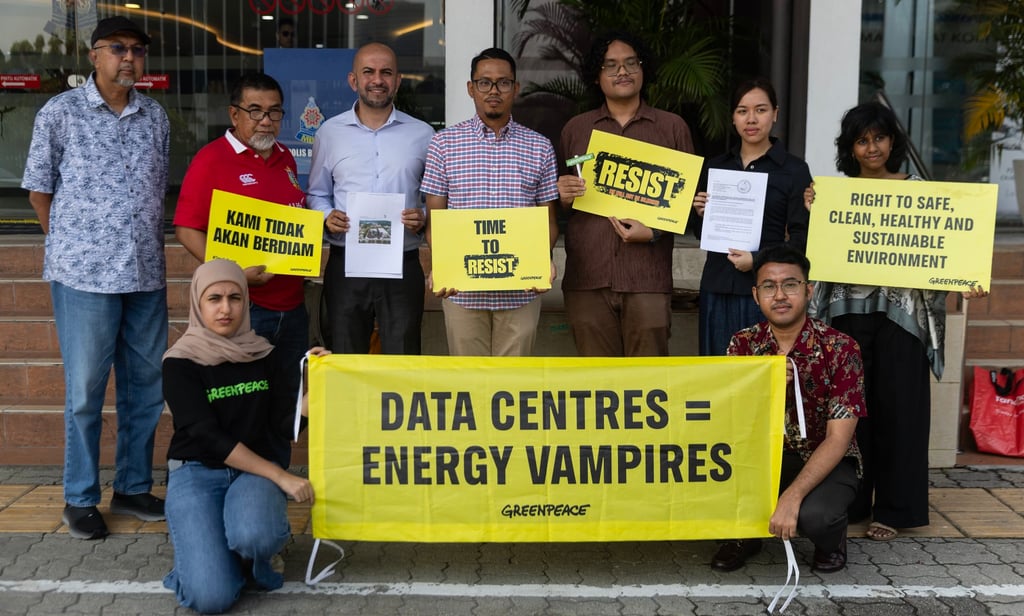
Public opposition mattered, “because it turns those abstract infrastructure costs into something politicians must respond to”, Camba added.
In Bangkok, for example, repeated odour complaints eventually forced the government to send inspectors to a data centre site last month, where they discovered more than 200,000 litres (53,000 gallons) of diesel being stored without a permit.
In the Philippines, the government’s US-backed Pax Silica hub – aimed at boosting the country’s AI and semiconductor capabilities while attracting infrastructure investment – has similarly caused the local costs and benefits to be put under the microscope.
“Governments sold these projects based on investment and technological competitiveness, but the public experiences them through land use, power demand, water use and local disruption,” Camba said.
KioskNews shows a cleaned-up reading view extracted from the publisher’s page — the original always lives on their site, not ours.