'Women should wear niqab, killing Jews': What Omani co-pilot's deleted posts reveal
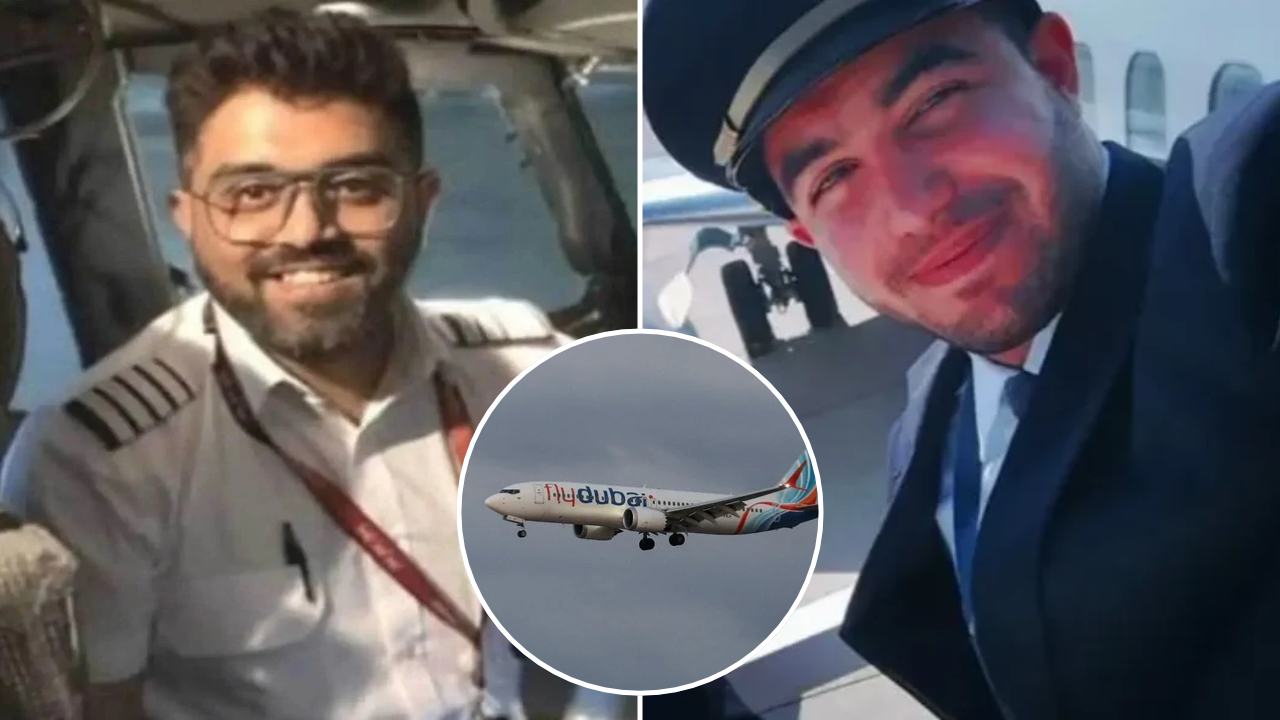
The posts were part of nearly 3,000 deleted tweets from 2021 and 2022
Deleted social media posts by Hamam al-Hammami, the Omani co-pilot accused of attacking Indian pilot Captain Smit Machchhar aboard a Flydubai flight, have offered a glimpse into his views on women, religion and mixed-gender workplaces.CNN, citing multiple sources familiar with the matter, reported that al-Hammami had described difficulties finding a prospective wife who would agree to wear a niqab and stop working after marriage. In another deleted post, he questioned the impact of mixed-gender workplaces on women, writing that religious women could be “ruined” in such environments.The posts were part of nearly 3,000 deleted tweets from 2021 and 2022 that CNN analysed using an AI-powered semantic search model.
The revelations come as authorities investigate the September 30 incident, in which al-Hammami allegedly attacked Machchhar inside the cockpit of a Dubai-Tel Aviv flight, causing the aircraft to plunge sharply before passengers and crew overpowered him.
What did al-Hammami post about women?
According to CNN, one deleted post from February 2022 discussed his mother's efforts to find him a wife who would accept his conditions, including wearing a niqab and giving up work after marriage.
The post claimed that several prospective families had rejected those conditions before his mother told them that her son was a pilot, after which they allegedly changed their minds.In another post from January 2022, al-Hammami criticised mixed-gender workplaces and questioned their effect on women. CNN described the deleted Twitter account as showing deeply religious and misogynistic views, although the posts themselves represent his past online statements and do not, by themselves, establish his motive in the Flydubai incident.CNN also reported that two posts appeared on a LinkedIn account bearing al-Hammami's name around nine hours after Wednesday's incident. It was unclear whether he had posted them himself or whether they had been scheduled earlier.One post contained cockpit footage of Boeing 737 Max aircraft and images of Israeli airline planes. The video ended with photographs of former al-Qaeda leader Ayman al-Zawahiri and Humam Khalil Abu-Mulal al-Balawi, who carried out a 2009 suicide bombing that killed nine people, including seven CIA personnel.A second post featured an AI-generated image depicting Islam's three holy sites in Mecca, Medina and Jerusalem, accompanied by a poem about rejecting humiliation, not fearing death and defending one's dignity.
Why was he removed from flying?
The social media revelations have emerged alongside reports that al-Hammami had previously faced concerns over his suitability to fly.CNN reported that al-Hammami, an Omani citizen born in the UAE to an Omani father and Syrian mother, had worked for Oman Air for around seven years.
Two sources told the network that he was removed from flight-related duties after concerns about extremist views and was moved to another role at the airline.CBS News, citing sources, separately reported that Omani government surveillance had detected visits to radical websites during his pilot training, prompting Oman Air to move him to desk duties. He subsequently left the airline.His LinkedIn profile, which has since been deleted, said he left Oman Air in February 2025 and later worked for Royal Air Maroc between June 2025 and January 2026.
CNN said a source confirmed the profile belonged to the Flydubai pilot.Al Arabiya English also reported, citing sources, that al-Hammami had previously been barred from flying in Oman over concerns about extremist views, while other reports have raised questions about the extent of vetting when he later joined Flydubai.Israeli Prime Minister Benjamin Netanyahu has said al-Hammami appeared to have undergone “Islamist radical indoctrination”, though he has not publicly provided evidence supporting that assertion.
KioskNews shows a cleaned-up reading view extracted from the publisher’s page — the original always lives on their site, not ours.