Netanyahu’s narrative of ignorance on October 7 is rapidly unraveling
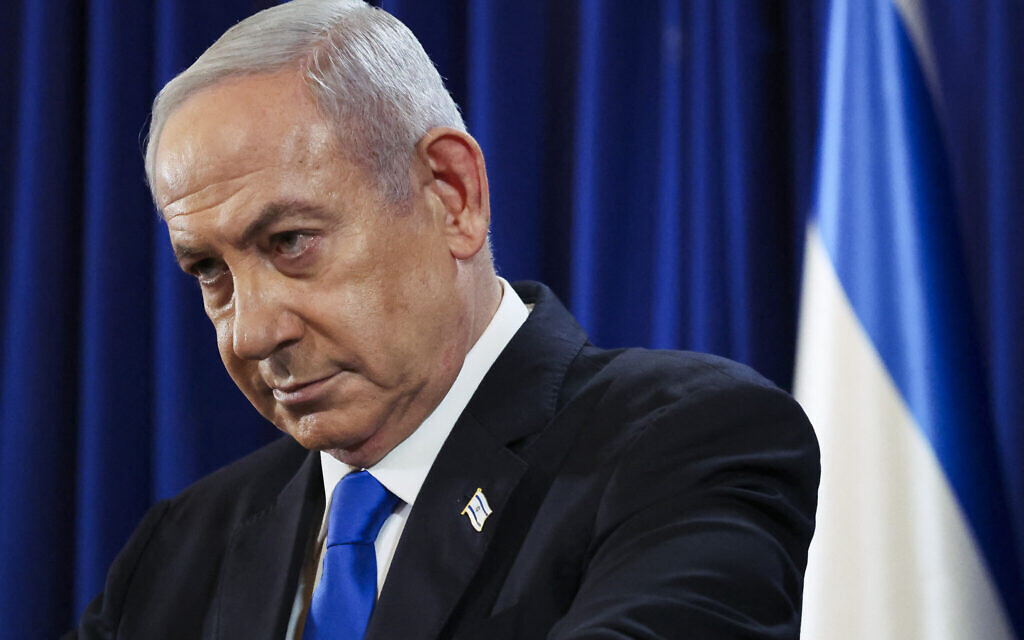
An investigation into the Egyptian warning conveyed to Israel days before the Hamas massacre of October 7, 2023, published over the weekend in The Atlantic, has added another crucial piece to the puzzle.
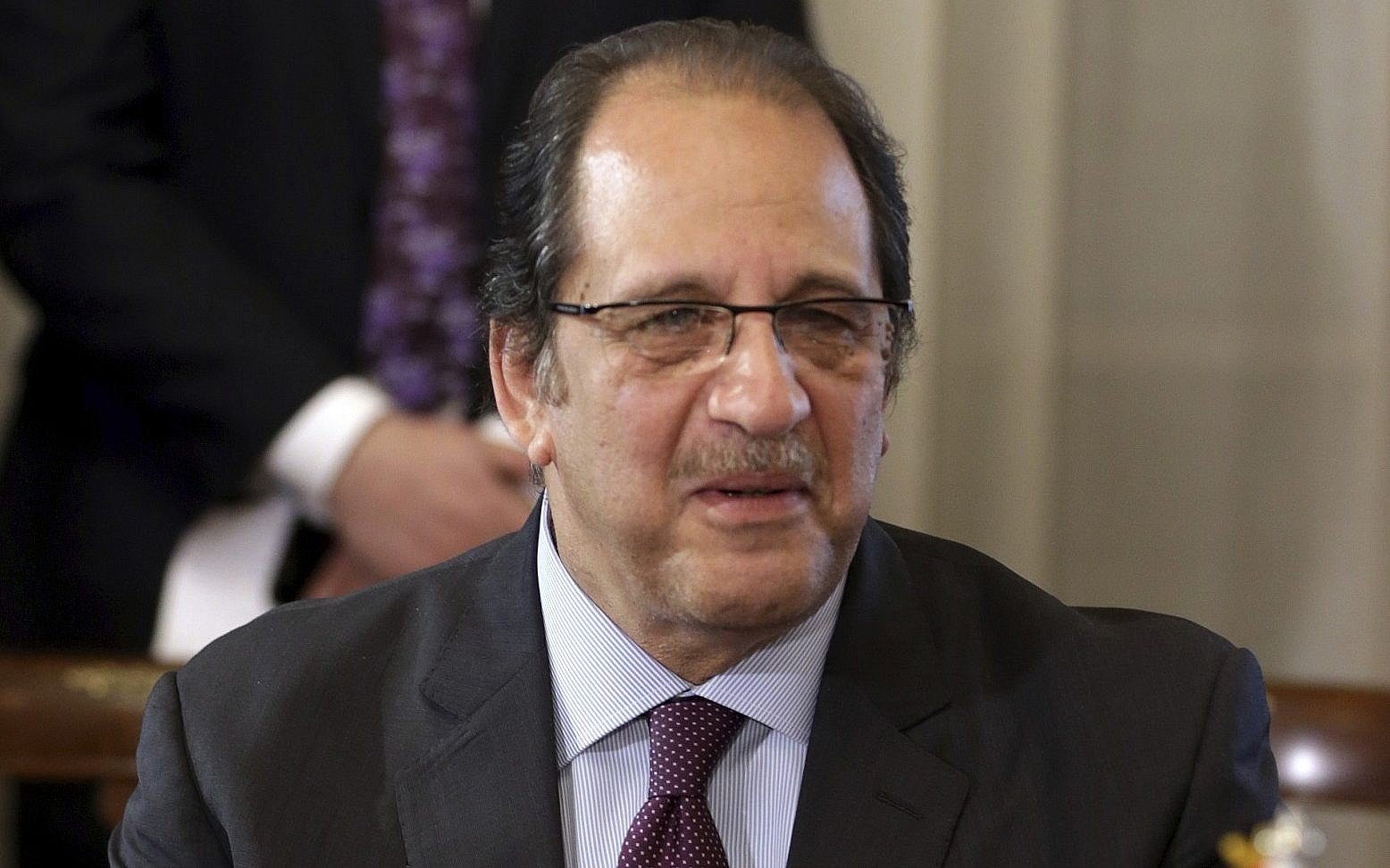
The article, published Friday night, confirmed previous reporting that the Egyptian warning was conveyed to Israel by Abbas Kamel, the then-head of the country’s intelligence and at the time one of President Abdel-Fattah el-Sissi’s closest associates.
According to The Atlantic, a chartered Cessna jet linked to Egypt’s intelligence service landed at Ben Gurion Airport on September 26, 2023, and took off again 67 minutes later. Kamel had flown in on “a most sensitive mission.” An Israeli source quoted by The Atlantic said Kamel’s blunt message was: “Gaza is going to blow up in your faces,” without specifying an exact date.
0:00 / 0:00
Promoted: Nefesh B'Nefesh - Aliyah is Now

The first journalist to report the Egyptian warning, just two days after the October 7 massacre, was Smadar Perry of Yedioth Ahronoth.
Perry’s revelation was met with a barrage of absolute denials, including from the Prime Minister’s Office. But she stood by her reporting, and after Netanyahu’s office denied it on October 9, 2023, she added details indicating that Kamel had been the messenger and cited senior Egyptian officials confirming the report.
Get The Times of Israel's Daily Edition by email and never miss our top stories
By signing up, you agree to the terms
It is now becoming clear just how accurate Perry’s reporting was, and how frustrated the Egyptians were by Israel’s indifference to the clear warning they had conveyed.
The Atlantic report was joined on Saturday by a New York Times report corroborating Shlomi Eldar and Ruti Yuval’s revelation, published two weeks ago in Haaretz, about another warning Prime Minister Benjamin Netanyahu received at around the same time, from United Arab Emirates President Mohammed bin Zayed.
The Times report was based on conversations with two separate sources who confirmed that the two leaders spoke and that, during the conversation, an unequivocal warning was conveyed that Hamas was planning a significant offensive move, although no date was specified.
It appears that the source of both warnings was former Palestinian Authority minister Sufian Abu Zaida. A member of the secular Fatah party that controls the PA in the West Bank and serves as a bitter, often violent rival to Hamas, Abu Zaida is considered very close to another senior Palestinian figure, Mohammed Dahlan.
Dahlan is the former powerful Fatah security chief in Gaza who was ousted by Hamas in a bloody 2007 coup. He later became a fierce rival of PA President Mahmoud Abbas and was forced into exile in Abu Dhabi, where he now lives under bin Zayed’s protection.
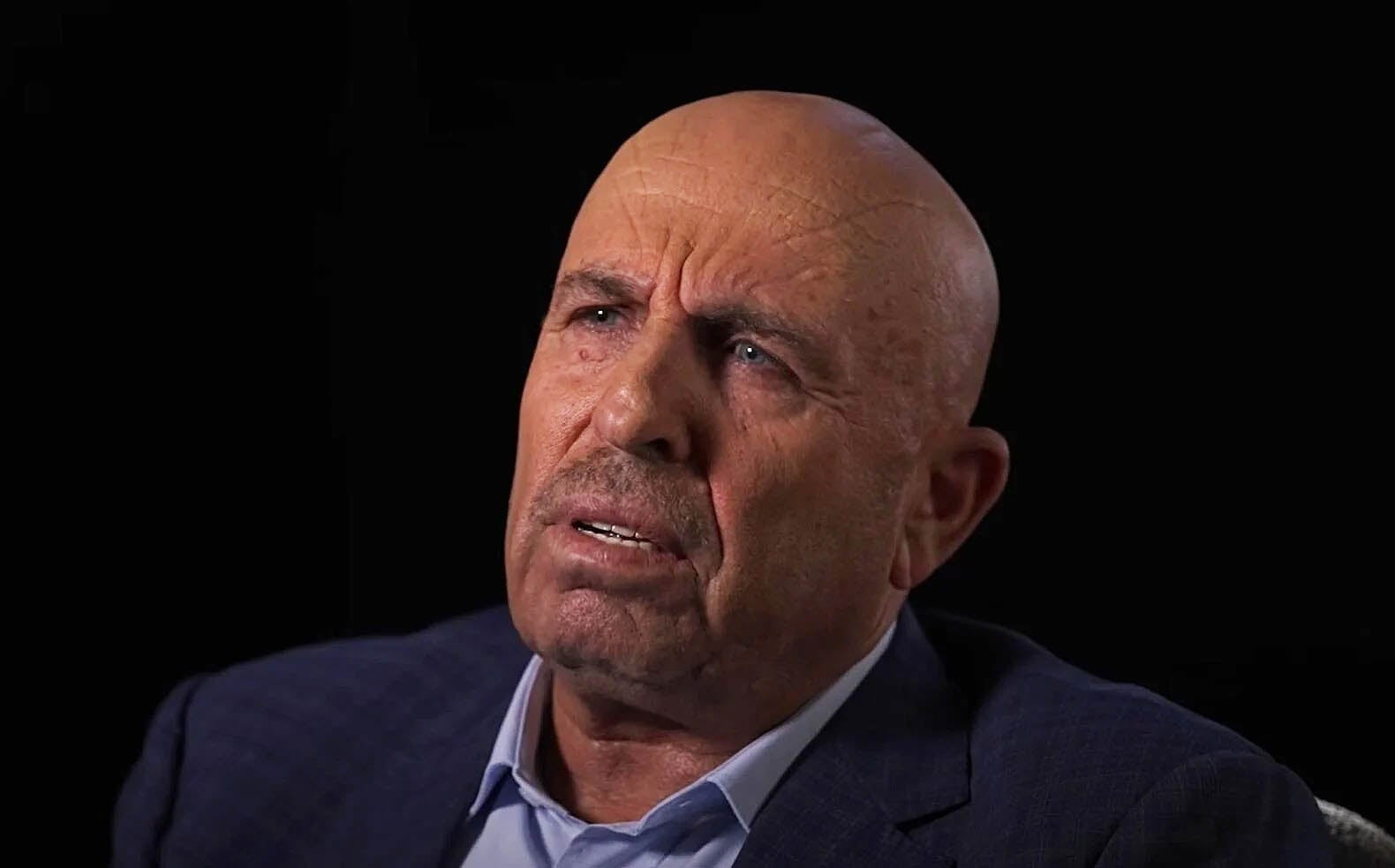
Last Thursday, Abu Zaida acknowledged in a televised interview in Egypt that he had conveyed warning messages directly from Hamas’s Gaza chief Yahya Sinwar — the mastermind of the October 7 massacre — who dictated them to him word for word. The sheer irony that Sinwar used a loyalist of his ousted Fatah rival to send a message to Israel highlights the highly unusual nature of this backchannel.
The backdrop to the secret communications channel was growing frustration within Hamas over the actions of Israel’s hard-right government. Pressure on Palestinian security prisoners was mounting as National Security Minister Itamar Ben Gvir deliberately worsened their prison conditions. Hamas was also seething over the erosion of the status quo on the Temple Mount, whose security also falls directly under Ben Gvir’s responsibility.
In addition, the quiet negotiations brokered by then-US president Joe Biden’s administration between Saudi Arabia and Israel were beginning to gain momentum, something that greatly worried Sinwar, heading a terrorist government dedicated to Israel’s destruction, and wary of any regional normalization process that would help cement Israel’s status.
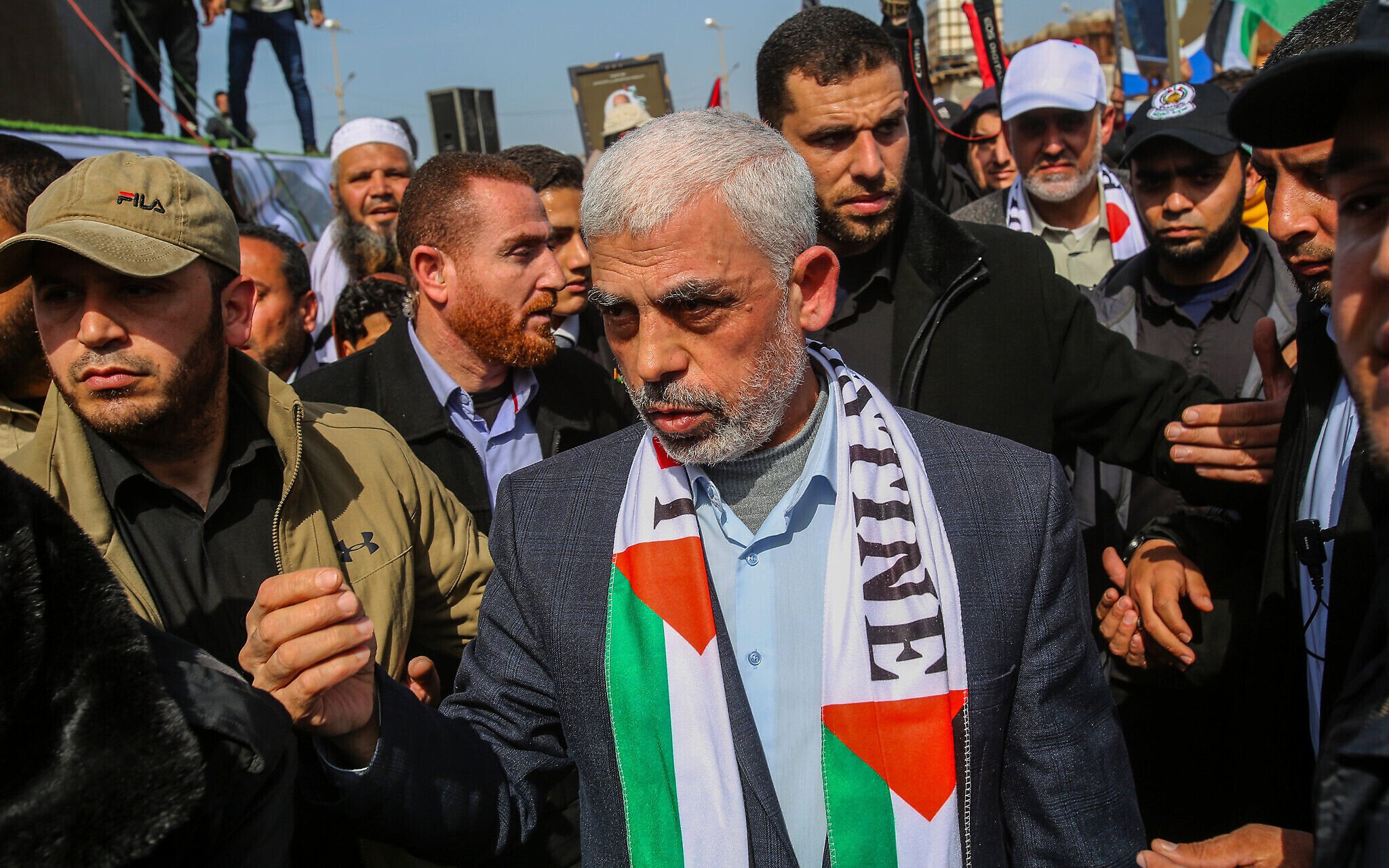
The Hamas leader feared that Saudi Arabia, the central power in the moderate Sunni world, would not condition a historic normalization deal with Israel on resolving the Palestinian issue, and would settle instead for only a general statement about a “future solution.” From Sinwar’s perspective, in such a scenario it would become very difficult to return to serious, practical discussions about Palestinian statehood.
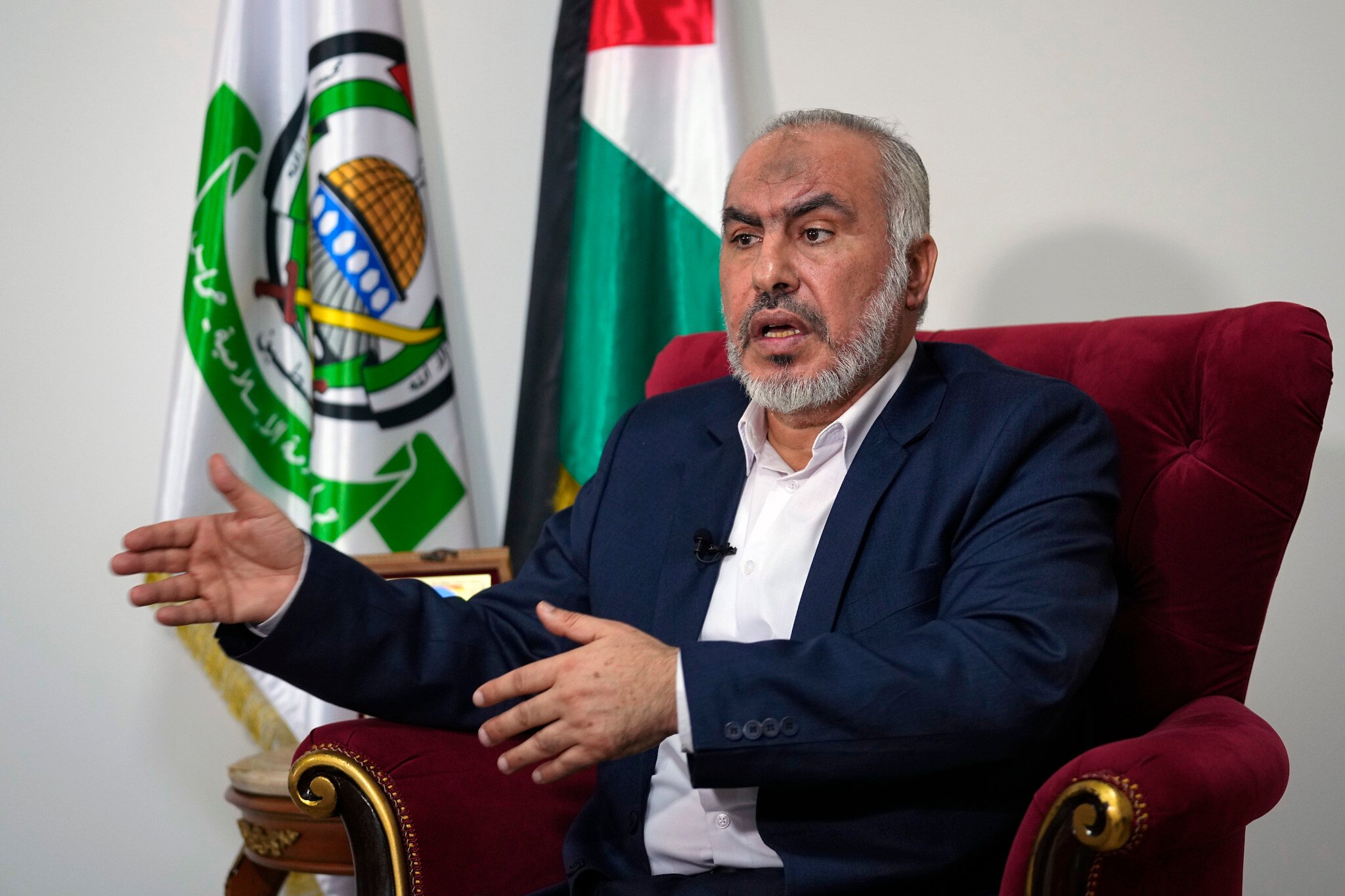
Through the channel opened with Abu Zaida’s mediation, Sinwar, via his envoy Ghazi Hamad, conveyed a demand for the release of several dozen Palestinian security prisoners in exchange for calm.
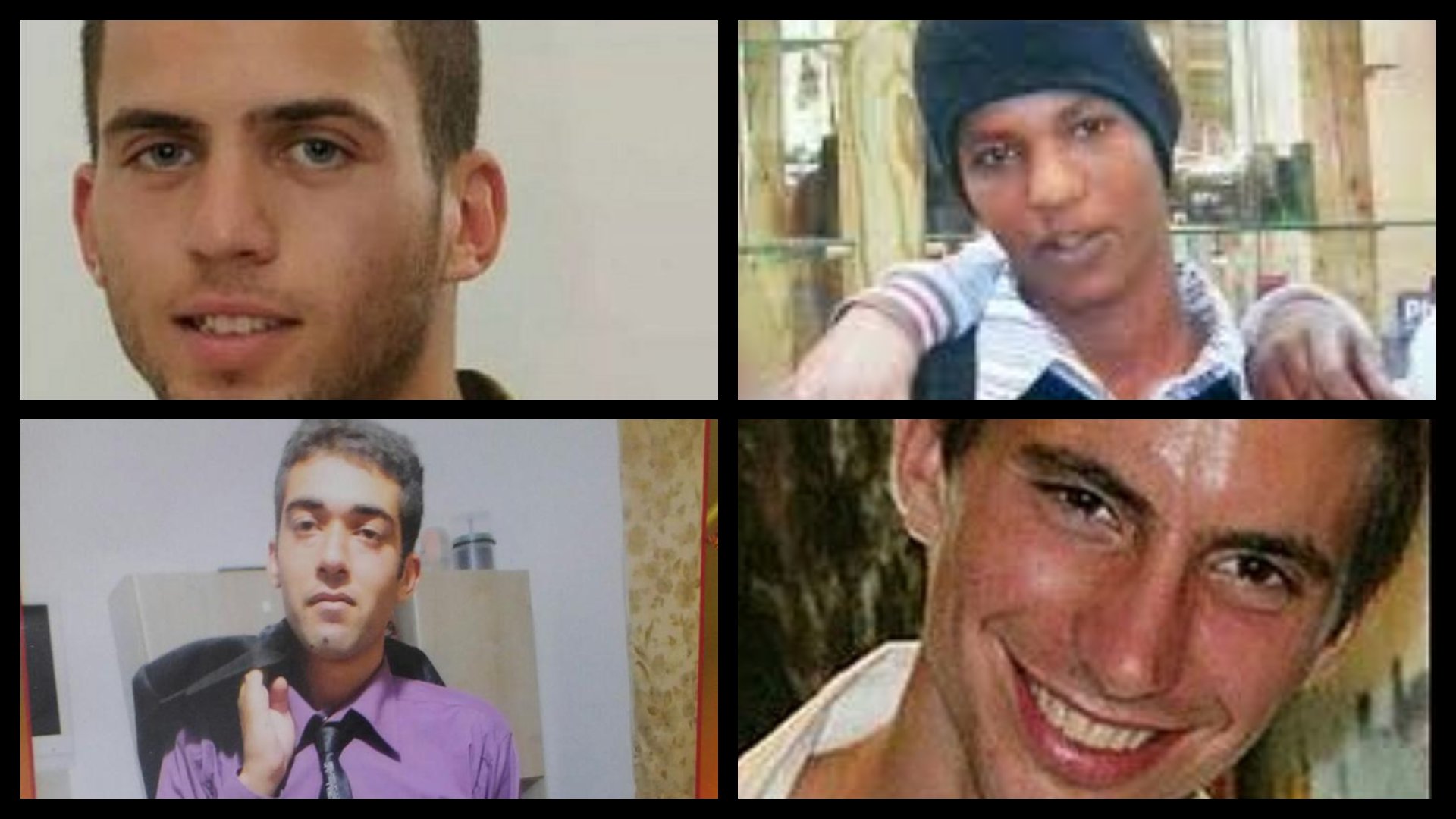
At the time, Hamas was holding two Israeli civilians — Avera Mengistu and Hisham al-Sayed — along with the bodies of two IDF soldiers, Hadar Goldin and Oron Shaul, killed in the 2014 Gaza war. According to the Palestinians, Israel let the demand fade away without providing a clear answer. Then, about a month before October 7, Sinwar conveyed a warning to Israel about a coming “zilzal” – the Arabic word for “earthquake.”
The description of the Egyptian warning published in The Atlantic, together with its confirmation by the Israeli source, is consistent with this account.
The Prime Minister’s Office responded on Saturday night to the weekend reports with yet another sweeping denial. But as time passes, more concrete evidence is accumulating to indicate that Netanyahu, and/or someone very close to him, received warnings about Hamas’s intentions and actively chose not to update the IDF and the Shin Bet.
The New York Times said it has the minutes of a security discussion held on October 1, 2023 — after both warnings had been received — during which neither warning was brought up. According to the minutes, Netanyahu opposed a proposal to eliminate senior Hamas figures and asked to preserve calm in the Gaza Strip in order to advance the Saudi diplomatic track.
In other words, if this matter is eventually investigated by a state commission of inquiry with access to the minutes and the people involved, a picture may emerge that is opposite to the prime minister’s persistent “they didn’t wake me up” narrative.
In that picture, by failing to pass the warnings on to the heads of the security establishment, it was Netanyahu who failed to grab them by the lapels — not the other way around.
Help us report truthfully on social media

As a multimedia journalist, my job is to take the quality, fact-based journalism produced by The Times of Israel newsroom and make it accessible across every platform — from Instagram posts to podcasts to short-form videos.
This is how many, especially young people, consume news these days. But misinformation is rampant on social media. Our team at ToI produces accurate, responsible short-form reporting on Israel and the Jewish world.
If you believe in the importance of factual social media journalism, please consider joining our reader support group, The Times of Israel Community. Your financial support is essential to sustain responsible multimedia reporting.
— Gabriella Jacobs, multimedia journalist
Support our work Support our work Already a member? Sign in to stop seeing this
KioskNews shows a cleaned-up reading view extracted from the publisher’s page — the original always lives on their site, not ours.