Hegseth, defense officials weighed using emergency law to reinstate Nvidia's Huang - report
The law does not allow the president to make personnel changes at a private company, but a Trump administration official told the Washington Post it could be used to force Nvidia to shift production.
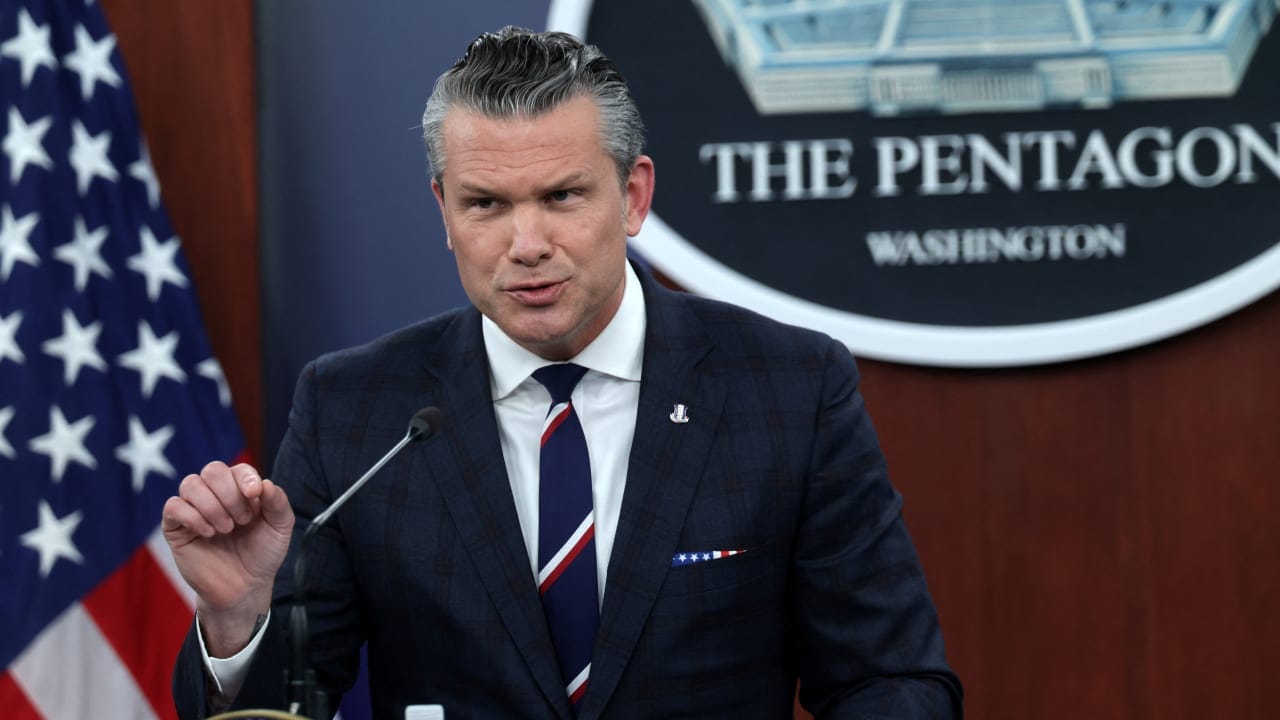
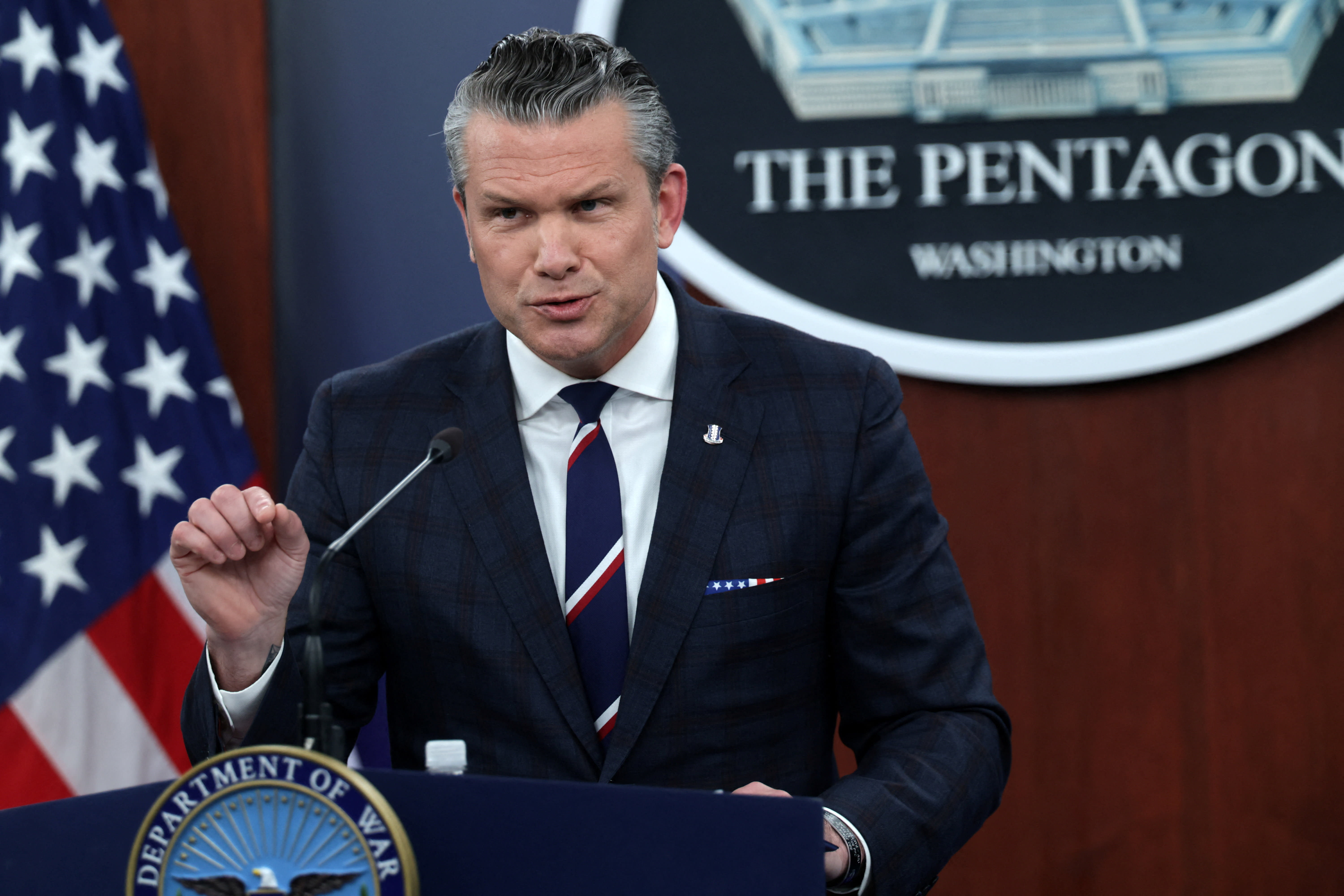
Pentagon leaders, including US Defense Secretary Pete Hegseth and his senior deputy, Steve Feinberg, weighed invoking the Defense Production Act, a law granting the president authority to prioritize the production and supply of materials and devices needed during wartime or national emergencies, in order to ensure that Jensen Huang regained his position as CEO of Nvidia, the Washington Post reported on Thursday.
The DPA was created during the Cold War era, but has frequently been used outside of wartime contexts.
During US President Donald Trump's first term, the DPA was invoked at Congress's urging to classify certain health supplies as critical to prohibit hoarding and prioritize production in response to the COVID-19 pandemic. He later used the law to prompt companies, including General Motors, to produce ventilators.
Former president Joe Biden used the DPA to address the shortages of fire hoses during the 2021 California wildfires, and to increase baby formula manufacturing during a 2022 shortage.
However, according to the Washington Post, the Pentagon was looking to use the DPA as leverage in order to pressure Nvidia's board to rehire Huang, rather than to increase supply of an essential product.
The law does not allow the president to make personnel changes at a private company, but a Trump administration official told the Washington Post it could be used to force Nvidia to shift production to less profitable military projects.
A Pentagon official denied that discussions around invoking the DPA occurred, and told the Washington Post that "no such proposal was made by the Secretary, Deputy Secretary, or Under Secretary.”
Huang reinstatement raises questions over Trump administration connections
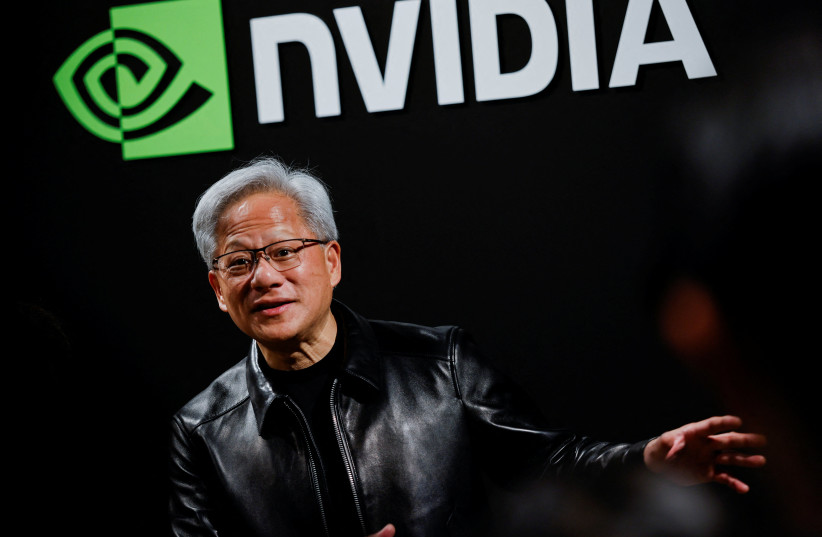
The reinstatement of Jensen Huang as Nvidia's CEO has shone a spotlight on how the Trump administration interacts with the American semiconductor giant.
Trump and Vice President JD Vance became personally involved in Huang's reinstatement after being convinced that he was the only person protecting open-weight models, sources familiar with the matter told Reuters.
It was also reported by the New York Times that over the weekend, Trump asked Vance to speak directly with Huang and work with Nvidia's board to resolve the situation.
The vice president subsequently held private discussions with Huang and helped secure assurances for the company's directors that the administration did not consider the executive a national security threat.
Only a small number of senior government officials knew about the conversations, the report said.
KioskNews shows a cleaned-up reading view extracted from the publisher’s page — the original always lives on their site, not ours.