Who are you calling a ‘Chinese honeypot’?
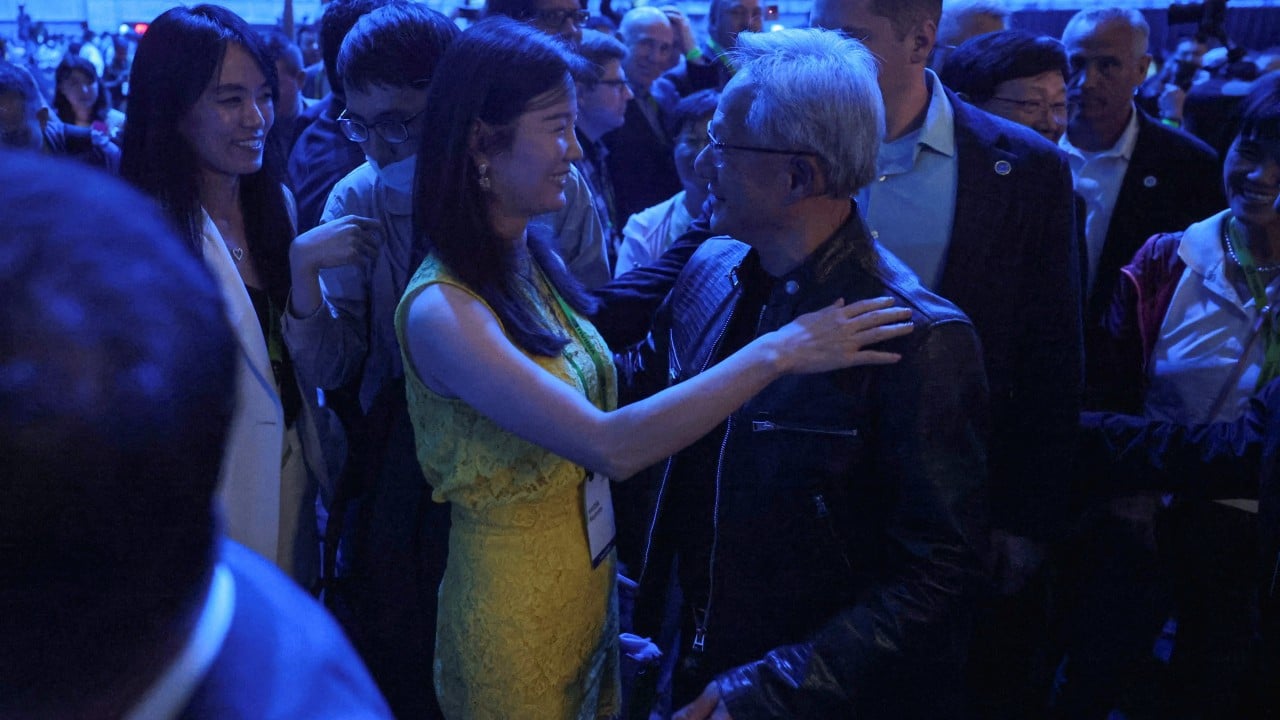
When reports emerged alleging that then-Nvidia chief executive Jensen Huang had been romantically involved with a Chinese woman suspected of espionage, my inbox filled with remarks from friends and acquaintances about my supposed career as a Chinese spy. One came from an old university mate I hadn’t seen in more than a decade.
Underneath the humour was a more revealing assumption. I am a British woman of Vietnamese-Chinese ancestry, with no family ties to mainland China. Yet after more than a decade in China, predominantly working within Western business, policy and diplomatic circles, my appearance and professional background were apparently enough to make me the punchline of a Chinese espionage joke.
The “honeypot” trope carries an unmistakably gendered dimension, but it also illustrates how easily proximity to China could become grounds for geopolitical suspicion.
As Washington and Beijing compete for technological and economic supremacy, Chinese ancestry is increasingly viewed through a national security lens. Members of the Chinese diaspora, including those whose families left China generations ago and have little connection to the country today, can find themselves caught in a rivalry in which they have no national stake.
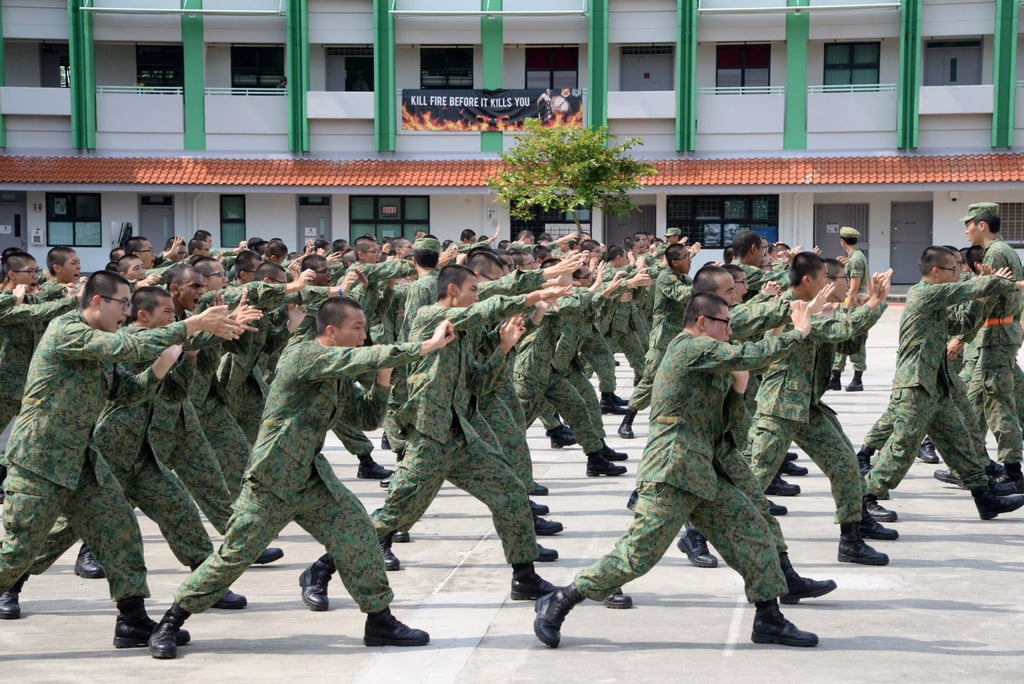
During a 2024 US Senate hearing, Republican Senator Tom Cotton of Arkansas repeatedly questioned TikTok CEO Chew Shou Zi about possible Chinese citizenship and ties to the Communist Party, prompting Chew to reiterate: “Senator, I’m Singaporean.” Even his explanation that he had completed Singapore’s compulsory military service appeared to fall on deaf ears.
The hearing concerned online child safety. But the questioning exposed how easily legitimate governance concerns over TikTok’s Chinese parent company could spill into assumptions about an individual’s loyalties based on ethnicity.
US security priorities have also influenced allied policies and public discourse. Britain’s 2020 decision to remove Chinese telecoms giant Huawei Technologies from its 5G networks is a clear example of policy spillover: the British authorities explicitly cited US sanctions as prompting a reassessment of supply-chain and security risks.
The consequences of projecting hostility towards China onto the Chinese diaspora became especially apparent early in the pandemic.
As US President Donald Trump invoked terms like “kung flu”, widespread media narratives seemed to amplify long-standing prejudices against people of Chinese descent. I remember watching in horror as news footage showed elderly Asian-Americans being assaulted on the streets, at times in broad daylight.
Having previously obtained British government security clearance … I gradually began to wonder whether my years in China and the professional relationships I had developed might complicate the more extensive vetting required for certain diplomatic roles
The scapegoating was not confined to the United States. Reports of rising anti-Asian abuse in Britain prompted me to call home regularly to check on family and friends. With international flights already scarce, I abandoned the idea of leaving Shanghai, partly out of concern for my own safety.
It was a peculiar reversal: living in China, I worried about how my ancestry might be perceived back home amid a global health crisis so closely associated with China.
Growing up in Britain, I remember classmates expressing surprise when I cheered for British athletes rather than Chinese ones during the Olympics. It was an innocent enough assumption, one I encountered long before China became the subject of intense geopolitical scrutiny.
Today’s US-China competition amplifies long-standing suspicions about foreignness and allegiance, giving new political force to assumptions rooted in the “perpetual foreigner” stereotype. A survey published this year by the Committee of 100, a Chinese-American non-profit organisation, found that 27 per cent of Americans believed people of Chinese descent living in the US were more loyal to China than America.
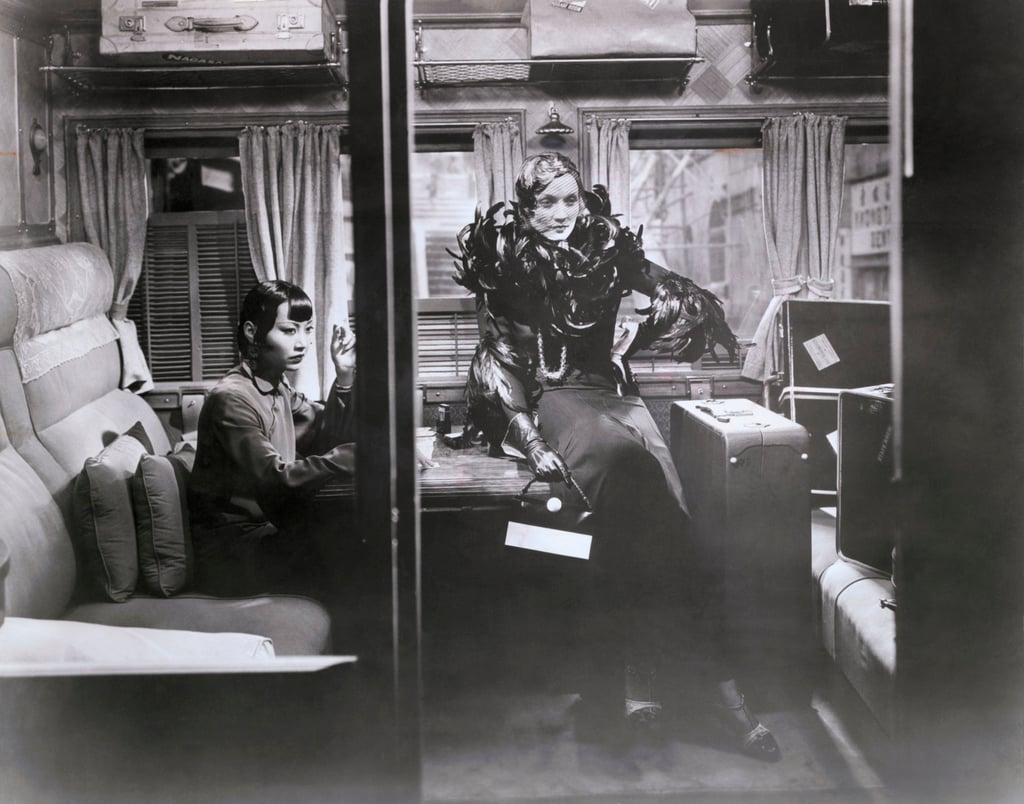
In 19th-century America, Chinese migrants helped build the nation’s first transcontinental railroad, yet their economic contributions did little to shield them from mounting prejudice and resentment over labour competition. The Chinese Exclusion Act of 1882 barred Chinese labourers from entering the country. Under the exclusion regime that followed, even those with proof of US citizenship or lawful exemptions faced interrogations over their identities, legal status and family ties.
But the treatment of Chinese communities could also shift. Decades later, China’s wartime alliance with the US helped pave the way for the law’s repeal in 1943.
More recently, the US Justice Department’s China Initiative drew criticism over investigations involving researchers of Chinese descent, raising questions about whether legitimate academic ties to China were being mistaken for security threats. When the programme was discontinued in 2022, the department recognised the risk of fostering distrust and discouraging legitimate research collaboration.
I once contemplated a career in diplomacy. Having previously obtained British government security clearance, albeit at a lower level, I gradually began to wonder whether my years in China and the professional relationships I had developed might complicate the more extensive vetting required for certain diplomatic roles. It was an uncomfortable consideration for someone whose interest in China had been shaped largely by academic study and work in the country.
National security concerns over China are legitimate. But there is a fundamental distinction between scrutinising the actions of the Chinese state and questioning the loyalties of people whose connections to the country are ancestral rather than political.
Even without encountering discrimination, I had begun to consider how geopolitical tensions might affect my professional choices. As China’s influence grows, indiscriminate suspicion risks alienating people with the very knowledge and experience needed to understand it.
KioskNews shows a cleaned-up reading view extracted from the publisher’s page — the original always lives on their site, not ours.