Will it snow this winter? Experts issue latest verdict for UK weather
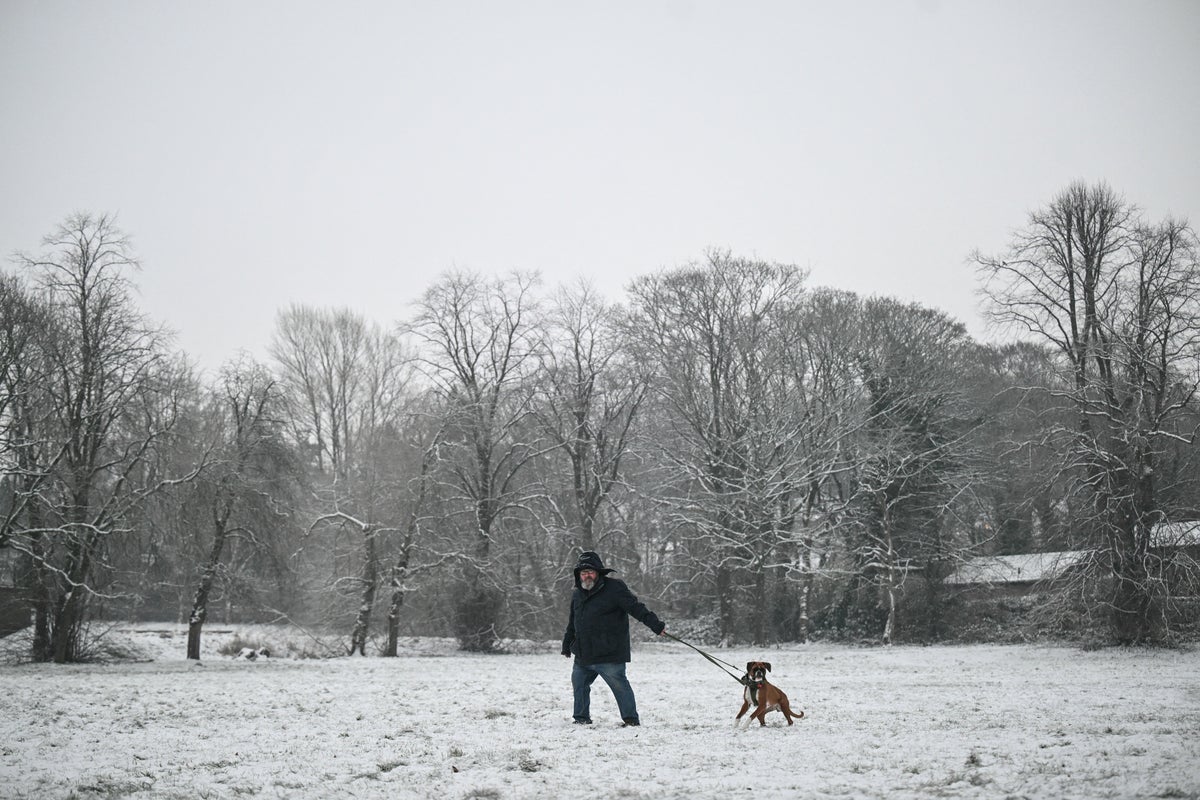
The Met Office has offered insight as to whether we can expect snow this year, following a record-breaking summer that saw extreme heat grip the nation.
It comes as severe drought has been declared in parts of southern England, with Cornwall, Devon, Dorset, Somerset, East Sussex and West Sussex affected.
Water companies have been told to step up drought planning amid efforts to protect public water supplies in the affected areas.
In August, 71.3 per cent of England was in drought, while the North East and Yorkshire was under a “prolonged dry weather” status.
Persistent heatwaves over the summer left reservoirs and rivers depleted, revealing dry river beds as water levels sank, while agricultural land, forests and fields turned brown in the heat.
Farmers have reported poorer yields as a result of the weather, with livestock farmers forced to use winter feed as a result of low grass growth.
How is the UK’s weather changing?
The UK’s weather is changing, but it’s not just our summers that are being affected, according to the Met Office.
While our climate has always varied year-on-year, predictions now point towards hotter and drier summers, with seven out of ten of Britain’s hottest summers having been recorded since 200.
The Met Office said that heatwaves in particular “are becoming more frequent and intense”, and research has also shown that “weather patterns associated with summer could increasingly extend into September, effectively pushing summer-like conditions further into the meteorological autumn”.
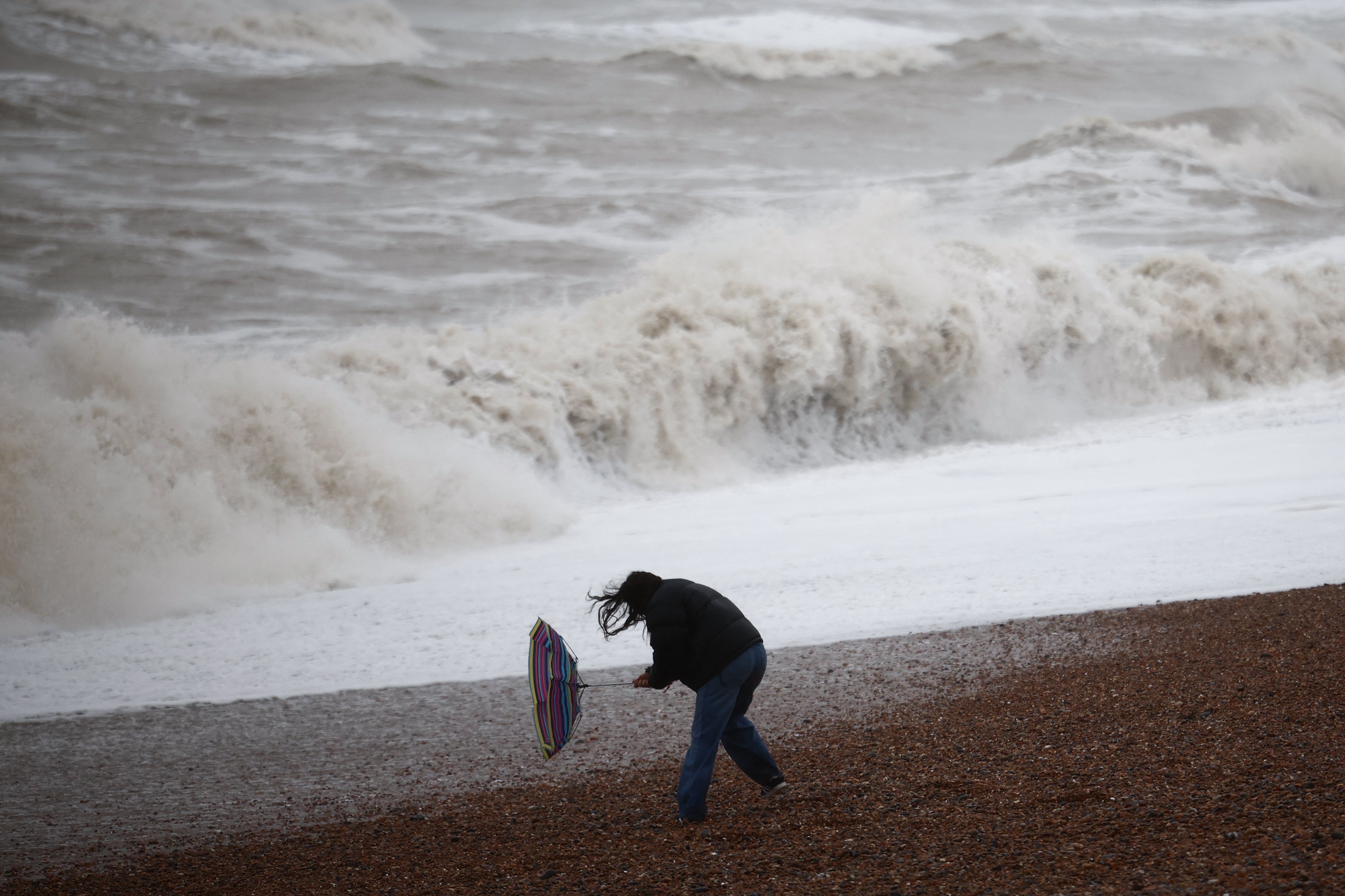
Meanwhile, our winters are becoming warmer and wetter. The period spanning 2016-2025 was 0.6C hotter than the average seen between 1991-2020 – and it was 1.4°C hotter than that of 1961–1990, the Met Office said.
“For longer-term context, the Central England Temperature series shows that in this century so far, winter temperatures have increased by around 1.5°C compared to the 18th or 19th Centuries,” it continued.
Frost is also occurring less frequently, with air and ground frosts having both reduced by roughly 25 per cent since the 1980s.
But what about snow? According to the Met Office, snowy conditions could still return.
“Snowy weather has not disappeared, but substantial snow events and the average number of days with falling snow have declined. Cold spells can still happen, although they are occurring against a warmer climatic backdrop,” it said.
“The familiar characteristics of the UK’s seasons are not vanishing overnight. Grey summer days, cool spells, winter frosts and occasional significant snowfall will remain part of the country’s weather.”
When are we most likely to see snow?
The Met Office has previously said that it’s more probable the UK will experience snow earlier in the year, rather than at Christmas-time as popular culture dictates.
“We are more likely to see snow in January and February than in December, with snow actually settling on the ground (snow lying) an average of 3 days in December, compared to 3.3 days in January, 3.4 days in February and 1.9 days in March (1991 - 2020 long-term averaging period),” it said.
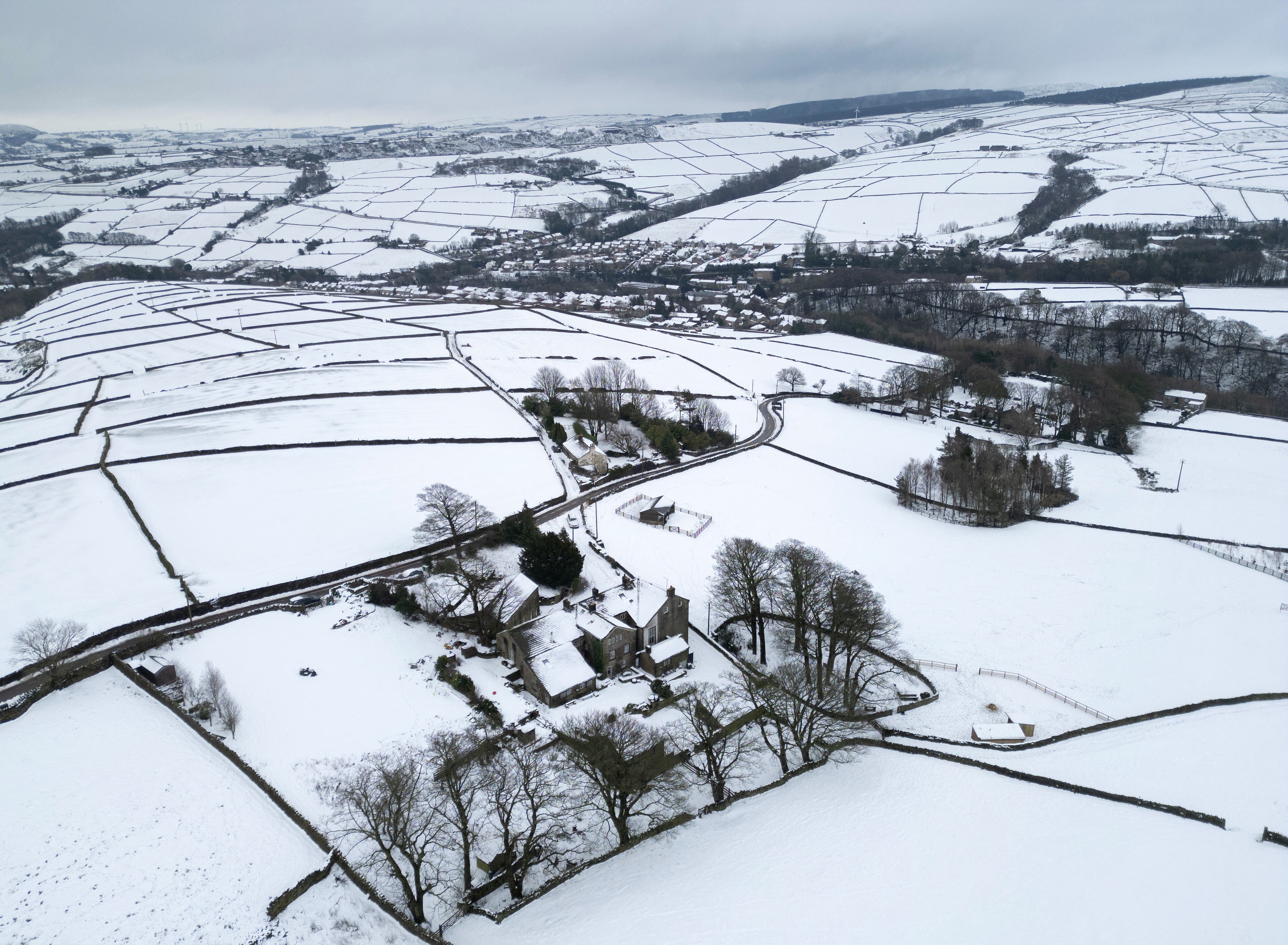
According to the agency, the last so-called ‘white Christmas’ was in 2023, when 11 per cent of stations recorded falling snow.
Looking ahead, the Met Office’s long-range forecast predicts that early November will see “occasional spells of wet and windy weather followed by drier but still showery interludes”, while “temperatures are likely to be near or above average overall”.
What role is El Nino playing?
Experts have also said that freezing temperatures and unsettled conditions could sweep the UK as El Niño continues to wreak havoc on global weather.
Forecasters warned the phenomenon – which is set to intensify before peaking in December – could disrupt a large, high-altitude ring of swirling cold winds spinning above the Arctic known as the stratospheric polar vortex. These disruptions can weaken the jet stream, sending severe, freezing Arctic air plunging southward into North America and Europe.
However, if this happens, it is more likely to trigger freezing temperatures later on in winter, meaning a polar vortex remains unlikely to sweep the UK this autumn.
The Met Office said that over the coming season, the phenomenon is likely to cause “wetter and stormier conditions” that could develop into “cold snaps” over the winter.
Meanwhile, British Gas has issued advice in the likelihood of heavy snowfall, advising customers to improve their insulation, protect their pipes, remember where their stopcock is and stockpile at least three days’ worth of food and essentials in an easy-to-reach part of their home.
KioskNews shows a cleaned-up reading view extracted from the publisher’s page — the original always lives on their site, not ours.