Barnyard punks in Orange, empty stages in Byron Bay: The NSW towns where live music thrives or dies

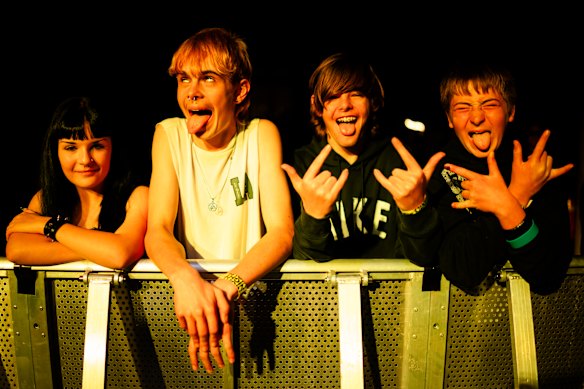
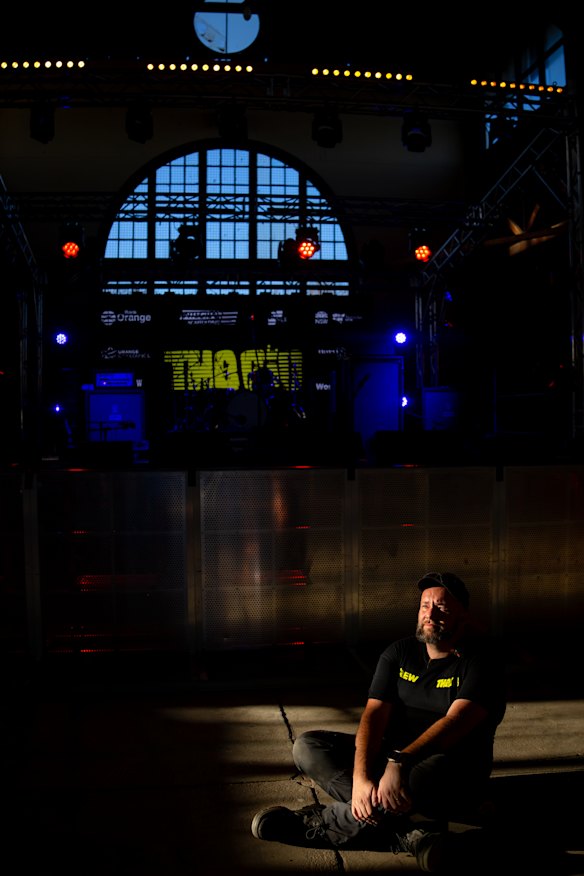
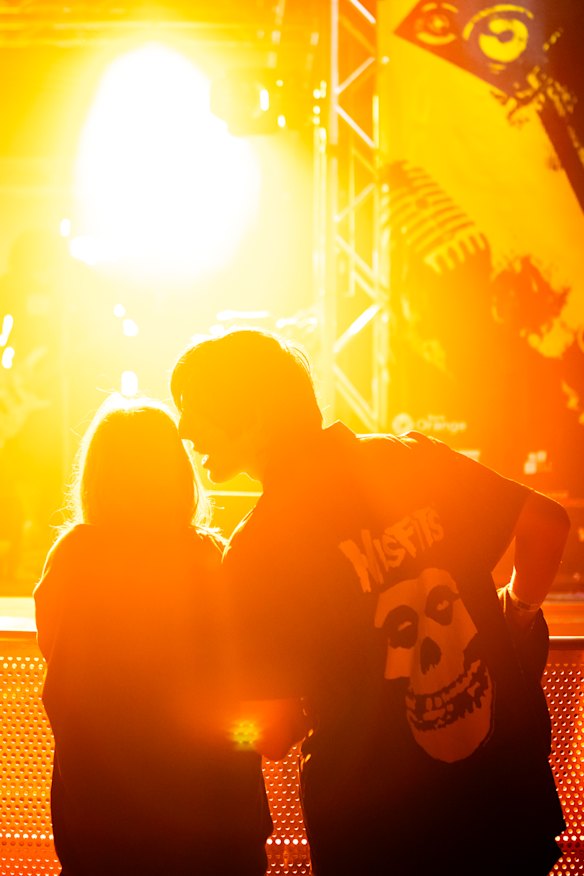
In showground barns usually reserved for cattle on the outskirts of Orange in western NSW, Mitch Colton awaits hordes of hardcore punk and metal fans ahead of his inaugural two-day music festival, The Gig.
Speaking to the Herald under a corrugated iron roof two hours before the scheduled start time, Colton appears unbothered but is apprehensive. “Two weeks ago, the ticket sales were awful,” the co-organiser and seasoned event manager says. “Tickets are getting better now.”
“I was talking to the guy that owns Mojos, which is a really famous live music venue in Fremantle, and he’s like, ‘Yeah, we do 80 per cent of our tickets on the day now’.”
Dozens of punters as young as 12, clad in leather garments, with spiked hair and face piercings, stream in throughout the first frosty Friday night. “Even if it’s not packed out, as long as it’s a good turnout and there’s a good crowd [that’s a success],” Colton says.
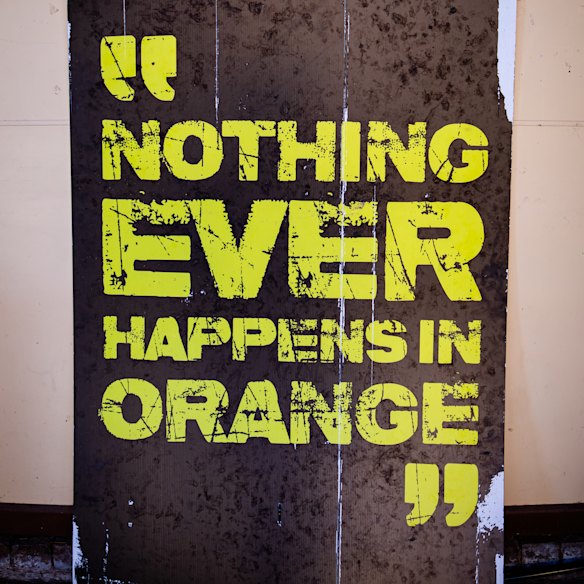
Colton had hoped for 500 patrons. Instead, about 190 came through. The following Saturday night, 250 did. “Obviously, we’d like it to be a commercial success, but the reality is, as long as it feels good – because the joke of the sign is that nothing ever happens in Orange,” he says, referencing the festival’s poster, which in the spirit of punk declares just that.
Live music scenes across the state are evolving. Musicians are struggling to get stage time in the Northern Rivers’ once-bustling scene, while the Central West is remaking the model and Newcastle is emerging as a hotspot. Meanwhile, in Sydney, venues are shutting as punters’ behaviour changes amid the cost of living crisis and the decline of alcohol consumption.
Over the years, the regions have nurtured some big names. Singer-songwriter Shannon Noll was born in Orange, while Lismore delivered Grinspoon and Skunkhour. Country stars Keith Urban, Lee Kernaghan, James Blundell and Beccy Cole got golden tickets at Tamworth’s annual country music festival.
Byron Bay has cradled Parcels, Skegss, Parkway Drive, Tones and I and Pete Murray and Newcastle claims the likes of Silverchair, The Screaming Jets, Morgan Evans and Catherine Britt.
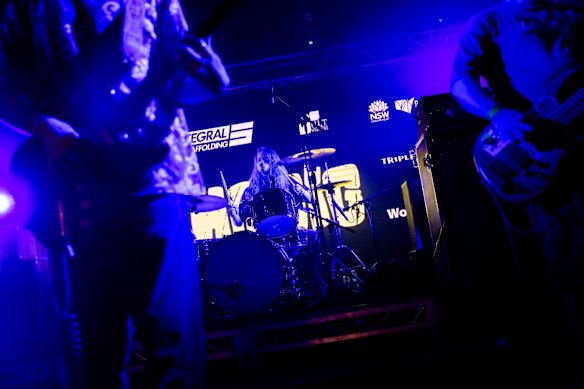
Colton’s festival is one of the increasing number of independently organised cultural events in NSW’s regions. On the festival’s first night, pub-rock Orange-born band Where’s Jimmy performs an electric set.
The high-school mates moved to Newcastle for better opportunities after exhausting the “same two pubs” in Orange soon after forming in 2020 amid the pandemic. Now, they regularly book gigs in Newcastle, occasionally in Sydney and are fresh off a European tour.
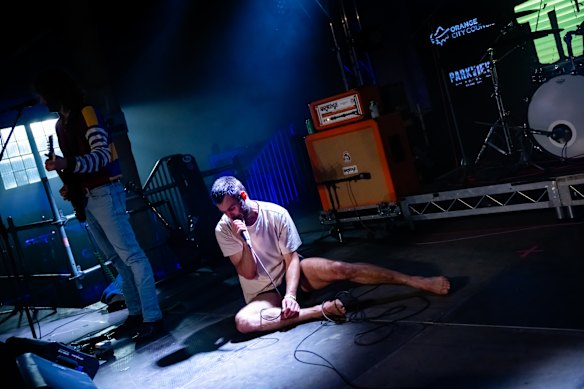
“It’s special for our first show back to be at home,” the band’s bassist James Pansini says. On stage, lead singer Hugh Westcott squirms erratically and jumps around barefoot, before launching into an acrobatic midair split. In the band’s music video for the song KICK IN THE HEAD, he takes it further, running barefoot around a barn with animal faeces strewn across the straw ground.
Since the band relocated, Orange and the rest of the state’s Central West towns have embraced an experimental attitude towards their live music landscape, says Sophie Jones, the region’s Music NSW coordinator.
“People are wanting to step away from the pubs and clubs where there are pokies,” Jones says. Orange’s Badlands Brewery’s ticketed gigs include acts such as Alex Lloyd, Meg Washington, Josh Pike and The Whitlams. But the most exciting event, says Jones, is the “little blues festival in the car park” the venue runs.
“It’s so cool to see these smaller venues doing these non-council-run little one-day festivals,” she says. “My band’s been playing together for 12 years now, and we started here in Bathurst, and there was nowhere for us.
“Now it’s taken this kind of turn where a lot of people are really wanting to come to Bathurst and play at venues like Reckless, The Victoria and Keystone … There’s still a challenge of getting people along to ticketed original shows, but it’s definitely got better in the last 10 years.”
Beyond towns and in the outback, music scenes are also pushing boundaries. In Lightning Ridge, musicians perform, record and collaborate out of a “tinny”, or a performance space modelled on the housing in the typical 1950s Aboriginal “tin camp” and designed by First Nations musician Warren Mason.
“He’s got a permanent one set up at [venue] Hungry Spirit ... but he takes the tinnies all around and, oh man, it’s so cool! And all original music,” Jones says. “Warren’s toured all across the outback and then around the bottom of Victoria, like Mildura.”
Newcastle’s talent pool and hunger for gigs has never been higher, Joab Eastley, that city’s coordinator for Music NSW, says.
“I feel like we’ve punched above our weight for quite a while here in Newcastle,” he says. “Every time you go somewhere like Big Sound and Music Conference, or get out to another city, everyone’s like, ‘Wow, what’s going on in Newcastle?’ Or everyone’s got a story of, ‘I saw this band from Newcastle in Brisbane the other week, and they blew my socks off.’ It’s a very common line.”
Eastley says it’s natural there are more opportunities in a bigger city like Newcastle for acts such as Where’s Jimmy than in other regional towns. But, as with Orange and Lightning Ridge, venues and event organisers are experimenting with how to deliver gigs.
“A lot of our bigger festivals have seemed to have gone by the wayside; that was sort of post-COVID,” he says. “Instead, it’s more like boutiquey-niche things are what’s happening. Claire O’Brien, who’s an amazing DJ from Newcastle, Mulubinba, puts on a thing called Ode events, which are raves in all different unique places, and they absolutely slap.”
As the NSW government expands its music and nightlife agenda through its $150 million hospitality nightlife reforms and new live music laws, funding and policy ideas are being fed into the regions. Tamworth has become the first regional town to trial Labor’s “special entertainment precinct” scheme that allows councils to set more relaxed planning rules in a designated nightlife area.
But some regions in NSW are still struggling. In the Northern Rivers, Byron Bay has become a victim of its own success: creatives are being priced out of the bohemian capital, says Music NSW Northern Rivers coordinator Niño Haggith. Meanwhile, its music events – Falls Festival, Splendour in the Grass and more recently, Bluesfest – have been cancelled.
“I was the general manager of a local festival, Mullumbimby Music Festival, and we also had the Bellingen Winter Music Festival down in the Mid North Coast, and we froze those purely because of COVID, and [they] haven’t come back yet,” Haggith says, adding the region has also suffered from a spate of natural disasters, including the 2022 floods.
While the region is “voluminous” with artists, Haggith says they’re moving to more affordable towns such as Lismore and Ballina. “Just looking around Byron, you can see priorities in these big, huge hotels that are coming up, and I just don’t know how sustainable it’s going to be,” he says.
“Obviously, it’s not conducive to affordable living, especially for artists and arts workers.”
Mayor Sarah Ndiaye says cost of living price rises and weather events have pushed Byron Bay’s music scene “through the eye of a needle”.
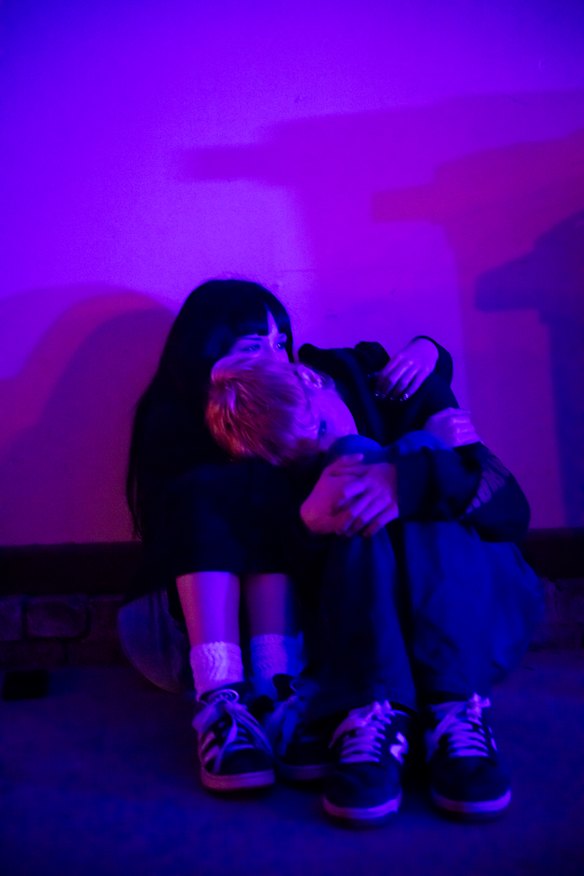
“Festivals are having to come back into the towns where they were often first born from, and got too big for, and had to move away from,” Ndiaye says. “I think we’re having to rethink how we deliver festivals.”
The Northern Rivers needs to utilise more of its infrastructure and invite local businesses to take part in the live music scene to become sustainable, Haggith says. As in other NSW regions, this approach is manifesting in a rise of DIY, all-ages and experimental scenes less reliant on the local pokies pub.
“They can be a bit more creative with spaces … people are also teaming up with each other on putting gigs on in different spaces, community halls, shopfronts,” he says.
In Lismore – where, Haggith says, “is actually where the music community is” – venue Blah Bar, a dedicated space supporting local independent musicians, closed after less than a year due to planning difficulties and licensing costs.
“I don’t have the money to keep going any more,” co-owner Pat Stanton told the Lismore Times. “I’ve been operating for a couple of months now with BYO, and unfortunately alcohol is where you make your money ... I don’t take money off the bands because I don’t believe in that.”
NSW Greens MP Cate Faehrmann asked Nightlife and Music Minister John Graham in August budget estimates whether Labor’s latest $3.8 million funding round could assist. “That specific funding that [Faehrmann] referred to is in relation to core music venues,” Graham said, adding that the changes to planning rules and liquor discounts were designed to help new venues.
“We’ve got to back the music venues doing most of the programming as new venues open up; otherwise we’ll lose those original ones,” Graham said.
In response to an on-notice question, Graham said Blah Bar had never applied for government grant funding and therefore did not receive any.
Back in Orange, The Gig co-organiser, Colton, isn’t fazed by its low turnout. In fact, he believes the event was a total success. “Everyone who came thought it was awesome,” he says.
“There’s a huge metal scene down here, and there’s just not a lot of good performance opportunities. And we’re like, we should do something for them.”
Want to read more about live music? We’ve got you!
- Hyatt hotels, business class: Inside the 24-hour economy commissioner’s nine overseas trips
- ‘In Sydney this is a rarity’: The hidden music haven caught in a bitter council spat
- Labor wanted to restore Sydney’s nightlife. But young people don’t have ‘time for hangovers’
- An AI track almost topped the ARIA charts. Now only AI ‘assisted’ songs will be allowed
- Think there’s nothing on in Sydney? These Sydneysiders will change your mind
Start the day with a summary of the day’s most important and interesting stories, analysis and insights. Sign up for our Morning Edition newsletter.
KioskNews shows a cleaned-up reading view extracted from the publisher’s page — the original always lives on their site, not ours.