Afternoon front page: Abortion, Canada’s untouchable election issue; Jewish military members’ class action claims rejected; and more
It’s Friday, October 16. Here are the top stories we’re following today.
Sign In or Create an Account
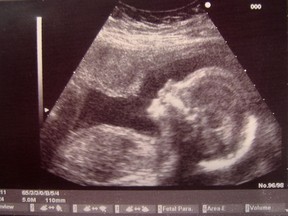
For the first time in nearly a generation, a Canadian election campaign is featuring a suggestion that maybe there should be some kind of restriction on elective abortions, writes Tristin Hopper. The OneBC party is proposing that provincial funding be denied to abortions sought after 27 weeks of pregnancy when there isn’t a fatal genetic abnormality in the fetus, or a complication that is life-threatening to the mother. In most of Canada’s peer countries, funding for late-stage abortions isn’t an issue because elective abortions are already banned outright long before the third trimester, Hopper notes.

More than two dozen Jewish members of Canada’s military who made claims in the racial discrimination settlement against the military were told they did not meet the racial identity criteria, according to the Canadian Jewish News. “The fact that we are just rejected once again from this lawsuit about discrimination is at the height of irony,” one Jewish armed forces member said.

“Not to overhype it, but there is the reality that all of your data, what you say, where you go, with whom you are, who you associate with, everything you do around your car, will be acquired by China,” former CSIS head David Vigneault told the BBC.

The former professor and author’s defamation case is at the B.C. Supreme Court where he is suing four defendants for repeating rape claims that were found to be unsubstantiated. “If anything is to be learned from the cross-examination of Steven Galloway, it’s that you should never represent yourself in court when being sued for defamation,” Sarkonak concludes after a tough day for one of the defendants.

Joy Luk can’t leave behind the time she spent on the front lines of Hong Kong’s massive democracy protests in 2019. Seven years after the movement was crushed, she lives in Toronto as a refugee, but still has nightmares about her worst moments during the uprising. But on Monday, a ceremony will mark what might be Luk’s most impressive accomplishment since arriving in Canada. After passing bar-admission exams made all the more challenging by her lack of sight, she’ll be officially admitted to the legal profession.
Join the Conversation
This website uses cookies to personalize your content (including ads), and allows us to analyze our traffic. Read more about cookies here. By continuing to use our site, you agree to our Terms of Use and Privacy Policy.
KioskNews shows a cleaned-up reading view extracted from the publisher’s page — the original always lives on their site, not ours.