Why Southeast Asia isn’t buying the US’ offer of ‘flexible realism’
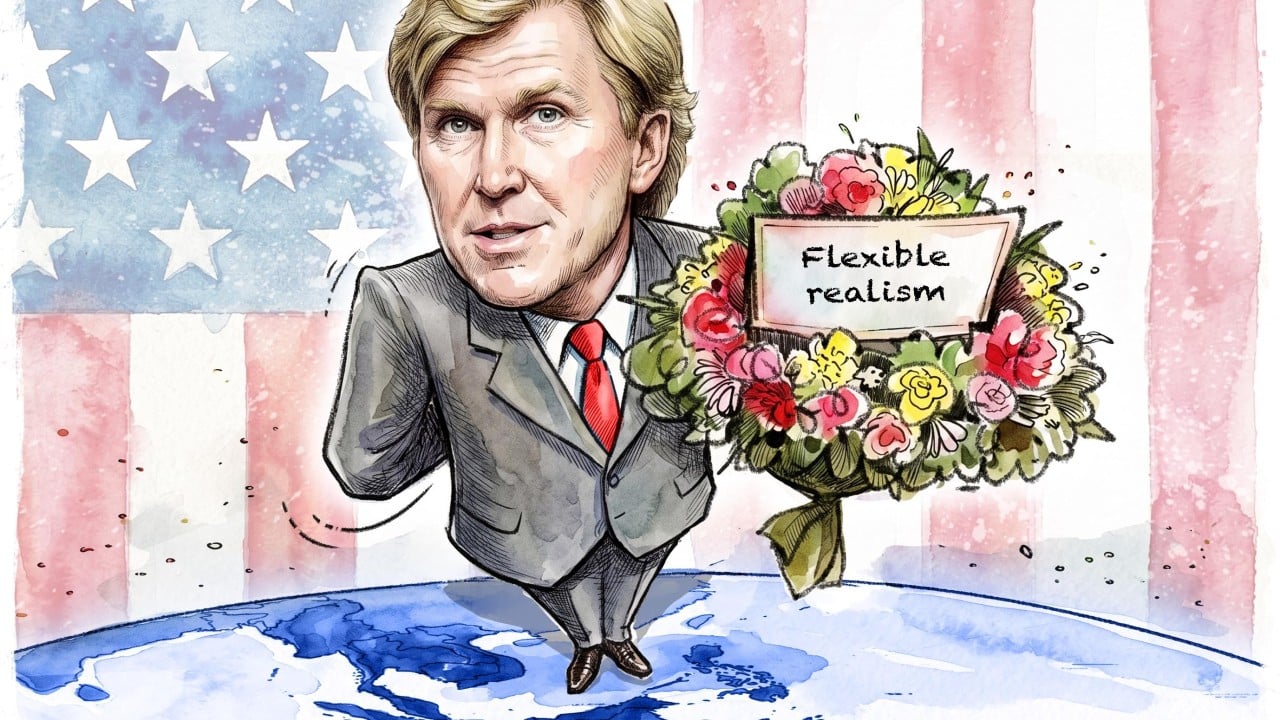
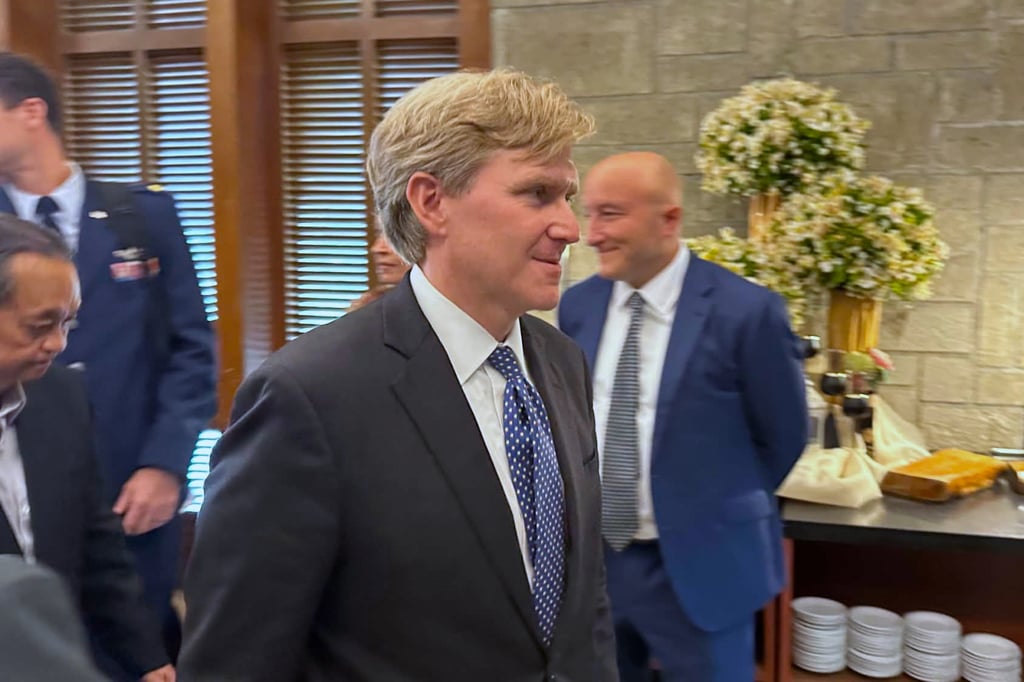
In arguably his most important foreign trip, Elbridge Colby, US undersecretary for defence policy, visited key Southeast Asian capitals this month. In a speech in Manila, the Pentagon policy chief extolled America’s “flexible realism”, which he said serves “the practical, concrete interests of regular Americans” and echoes Southeast Asian nations’ commitment to “pragmatism, an openness to dialogue, respect for counterparts, proud nationalism, and a focus on economic prosperity”.
Amid the United States’ growing unpopularity, and deepening doubts over its wherewithal due to the festering conflict in the Middle East, Colby sought to reassure his hosts by emphasising how the Trump administration views Asia as being of “paramount importance” strategically. He stressed the US commitment to preserving a “favourable balance of power” to ensure the region remains “free of hegemony”. He dismissed criticisms of American foreign policy as “the cheap talk of the cognoscenti”.
Colby described his host, the Philippines, as a “model ally” and highlighted the deployment of American coastguard forces amid rising tensions in the South China Sea. He carried a similar message of reassurance and strategic sympathy to Jakarta, where he hailed a “partnership founded on mutual respect and deeper cooperation” in a meeting with Indonesian President Prabowo Subianto, while pushing for expanded defence relations in Thailand and Cambodia.
Through burden-sharing, mutual capacity-building and diplomatic reciprocity, Colby essentially argued, the United States was in a historic position to reassert its leadership and strategic primacy in the region. By all indications, however, Southeast Asia remained sceptical of American strategic commitment.
Battered by US tariffs and the energy shock of the ill-conceived Iran war, there is widespread discontent with Washington’s foreign policy. Moreover, key regional states have doubled down on their strategic cooperation with China. The US has yet to provide its closest Southeast Asian ally, the Philippines, with sufficient military and economic assistance despite mounting challenges.
Colby is no ordinary apparatchik. A scion of the American strategic elite, the Ivy League-educated strategist has enjoyed support across key constituencies within the Republican Party. This includes the more nationalist-populist wing represented by Vice-President J.D. Vance, who personally pitched for Colby’s Senate confirmation last year.
KioskNews shows a cleaned-up reading view extracted from the publisher’s page — the original always lives on their site, not ours.