Why younger Japanese now fear Trump’s US more than China
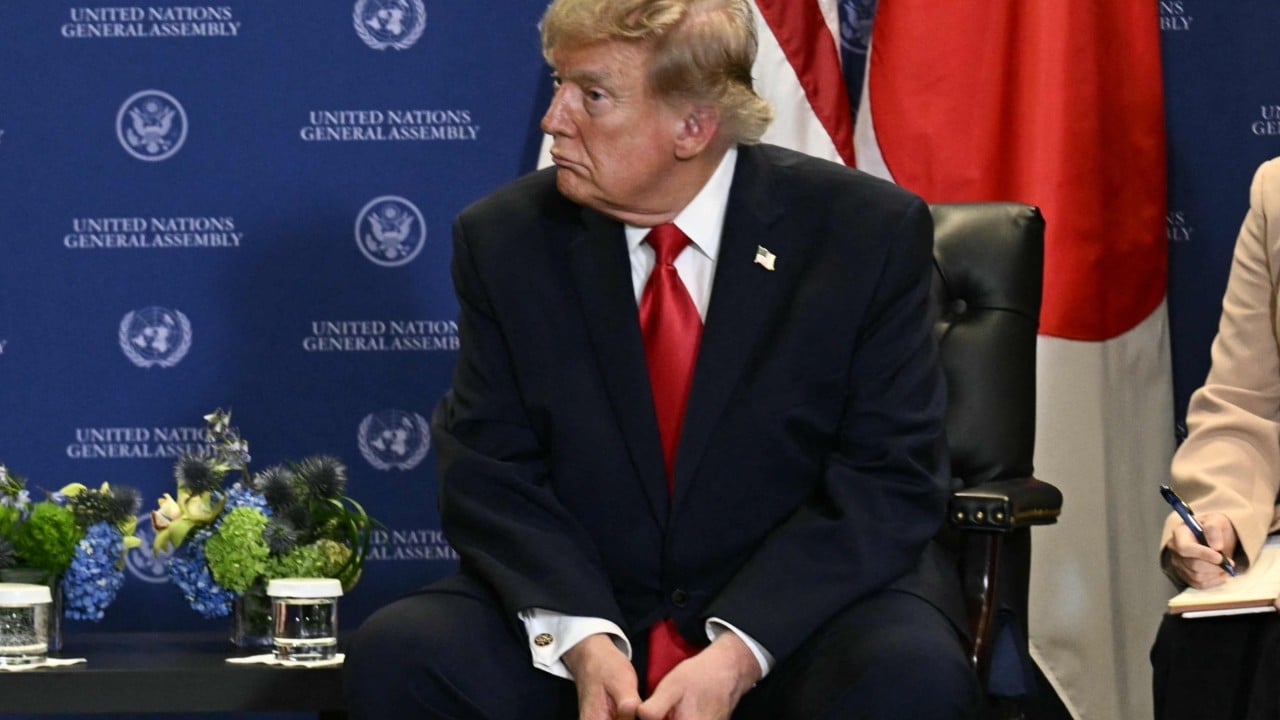
A growing number of Japanese regard the United States as the greatest threat to world peace ahead of traditional rival China, according to a new survey.
The annual poll, released by the Japan Press Research Institute on Saturday, found 26.8 per cent of respondents named the US as the biggest threat to global peace. That was up 9.3 percentage points on last year and far above the 6.6 per cent recorded in 2024.
Russia came top of the list in 2025 but slipped to third place this year, with 18.3 per cent of the total vote. China rose 8.2 percentage points to first place, cited by 32.5 per cent of the 5,000 people polled in July and August.
Analysts attribute the shift in sentiment to the actions of one man.
This is all about Trump, Trump, Trump
“This is all about Trump, Trump, Trump,” said Stephen Nagy, a professor of international relations at Tokyo’s International Christian University.
“For the last two years, Japanese people have looked on with growing horror at Trump’s erratic behaviour, his lack of knowledge and his lack of interest in so many things.”
The results of the survey are more of a referendum on the US president than an accurate reflection of Japanese attitudes towards the US military or ordinary American people, according to Nagy.
“It is obvious that the war in Iran was not necessary and is not going well,” he said, adding that Japanese people were “alarmed” by Trump’s flattery of North Korean leader Kim Jong-un and “the lack of positive takeaways” from his recent meeting with China’s Xi Jinping.
“This has all punched a huge hole in the US’ reputation,” Nagy said.
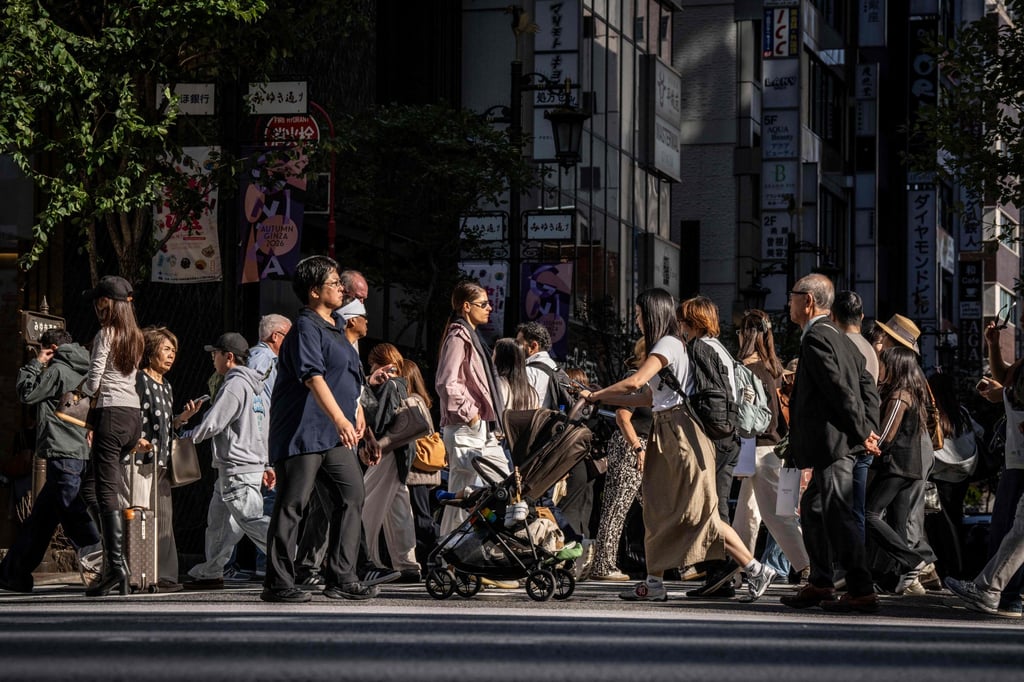
North Korea and Iran rounded out the top five in the latest threat perceptions survey, which also canvassed opinions on Israel, Ukraine and Japan itself.
Trump was named as the primary cause of recent global problems, with more than eight in 10 respondents saying he was having a negative impact on the world while only 13.2 per cent called him a positive force.
Women of all ages and respondents of both sexes were most concerned about the US. Some 32.1 per cent of women named it as the greatest threat, compared with 26.7 per cent who named China.
Men and women aged 20 to 49 also put the US ahead of China, while the order was reversed among those aged 50 and older.
Nagy suggested that part of the reason for this was that older people might still fondly remember the US’ victory over the Soviet Union during the Cold War.
“Young people, on the other hand, have grown up with 9/11, the Iraq war, the US retreat from Afghanistan, Trump’s love-hate relationship with Ukraine and the general cringeyness of the Trump administration.”
Broken trust
Sumie Kawakami, a lecturer at Yamanashi Gakuin University in Japan and author of a book on gender issues, said Japanese people had broadly “lost trust” in the US president.
“No one knows when he is just going to flip the script,” Kawakami said, adding this unpredictability had put Japanese Prime Minister Sanae Takaichi in a “difficult position”.
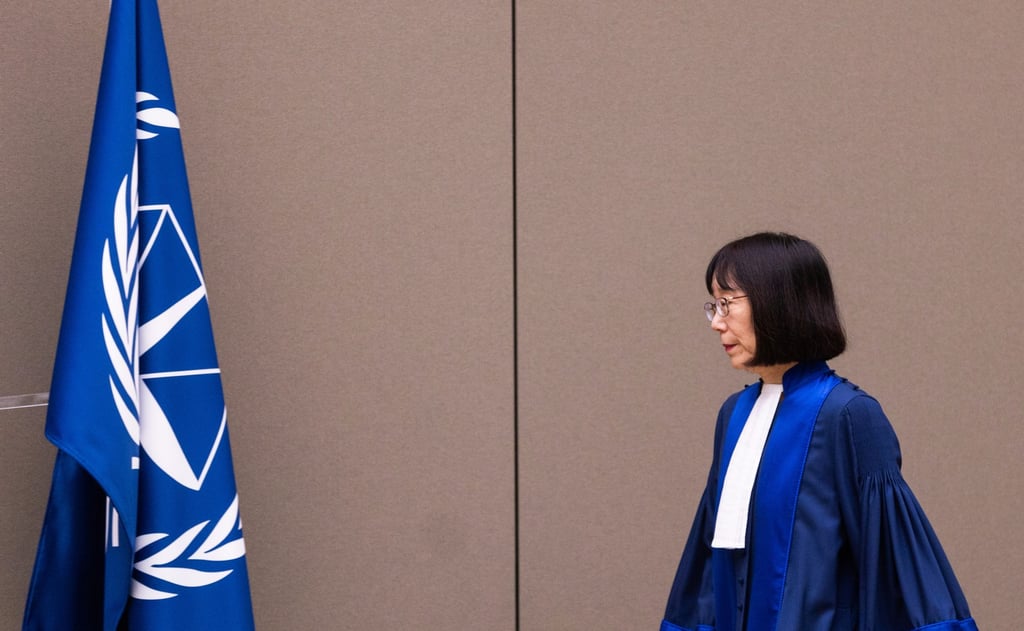
Takaichi had pledged her support for the ICC “because the court is a key part of Japan’s position on the need for the rule of law internationally” and the Japanese public also backed this position, Kawakami said.
“But she cannot go so far as to strain the relationship with Trump because of the need for US security support in the region.”
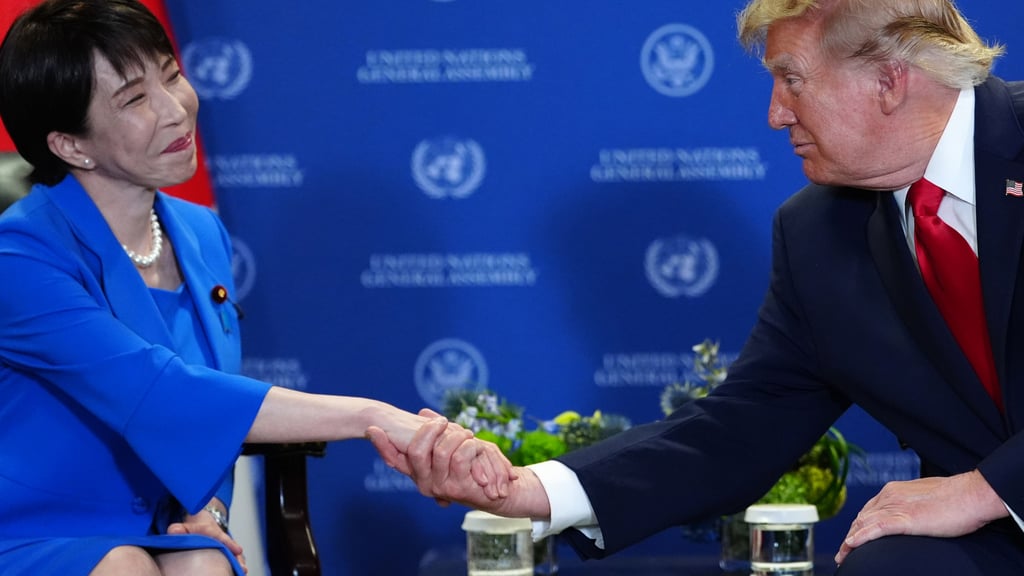
Other Japanese prime ministers have had to show what Kawakami calls “pragmatism” in their dealings with Washington, but walking that tightrope has been harder for Takaichi than for any of her predecessors.
Ken Kato, a conservative-leaning Tokyo businessman and former firm Trump supporter, said he was now having reservations about the US president – but still believed “China is a far larger and more immediate threat to Japan”.
“Trump should certainly have been more forceful with Xi and I fear that by welcoming him with a red carpet in Washington that he has sent the Chinese the wrong message,” he added.
Nagy said he suspected that “the favourability of the US among the Japanese will return” under a different president, after Trump had left the White House for good and the relationship had stabilised “once more”.
“That is exactly what the government in Japan, and the governments in … the rest of East Asia also want,” he said. “They just want ‘normal’.”
KioskNews shows a cleaned-up reading view extracted from the publisher’s page — the original always lives on their site, not ours.