Brazil’s rare earths will not loosen China’s magnet grip this decade, researchers say
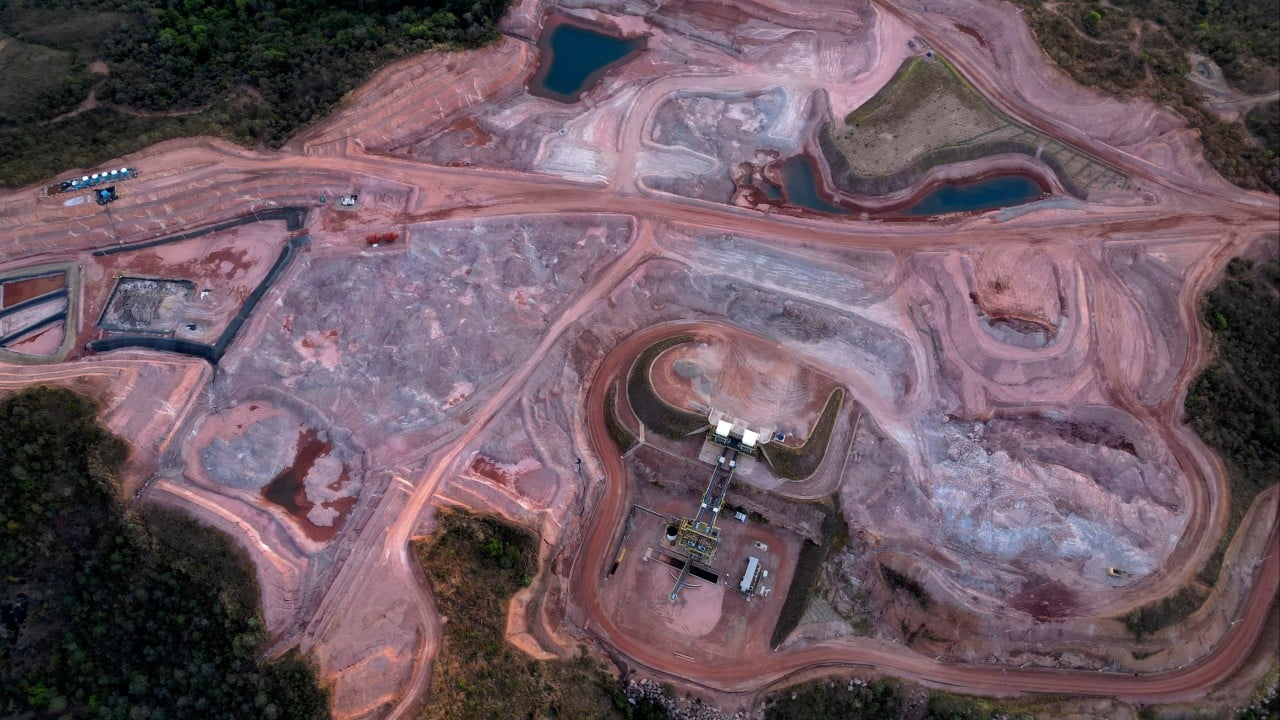
Brazil will not be able to make rare earth magnets from its own raw materials before 2032, the coordinator of the country’s main magnet pilot plant said on Wednesday, leaving China’s near monopoly on the technology intact for years to come.
Andre Luis Pimenta de Faria, who runs the plant for Senai, the research and training arm of Brazil’s national industry confederation, told a public policy panel at Exposibram, the country’s largest mining congress, that first batches could come by the end of 2028, but only using imported inputs.
“If we look at the full picture of everything needed to produce a permanent magnet, we are talking about a more distant horizon, maybe 2032–2035,” Faria said.
The plant runs on Asian process technology chosen when it was designed, and buys abroad the processed ore it feeds into its furnaces, Faria said. Brazil also makes no electrolytic iron, a high-purity input very different from the ore it ships overseas, despite being one of the world’s two largest iron ore exporters.
Pablo Cesario, chief executive of the Brazilian Mining Institute, called even that timetable optimistic and put the average gap between a proven reserve and first production in Brazil at 17.2 years.
“This is a 10 or 15-year game. And in those 10 or 15 years the others are running too,” he said.
KioskNews shows a cleaned-up reading view extracted from the publisher’s page — the original always lives on their site, not ours.