Georgia resident arrested, charged with sending over $26,000 to ISIS, destroying evidence
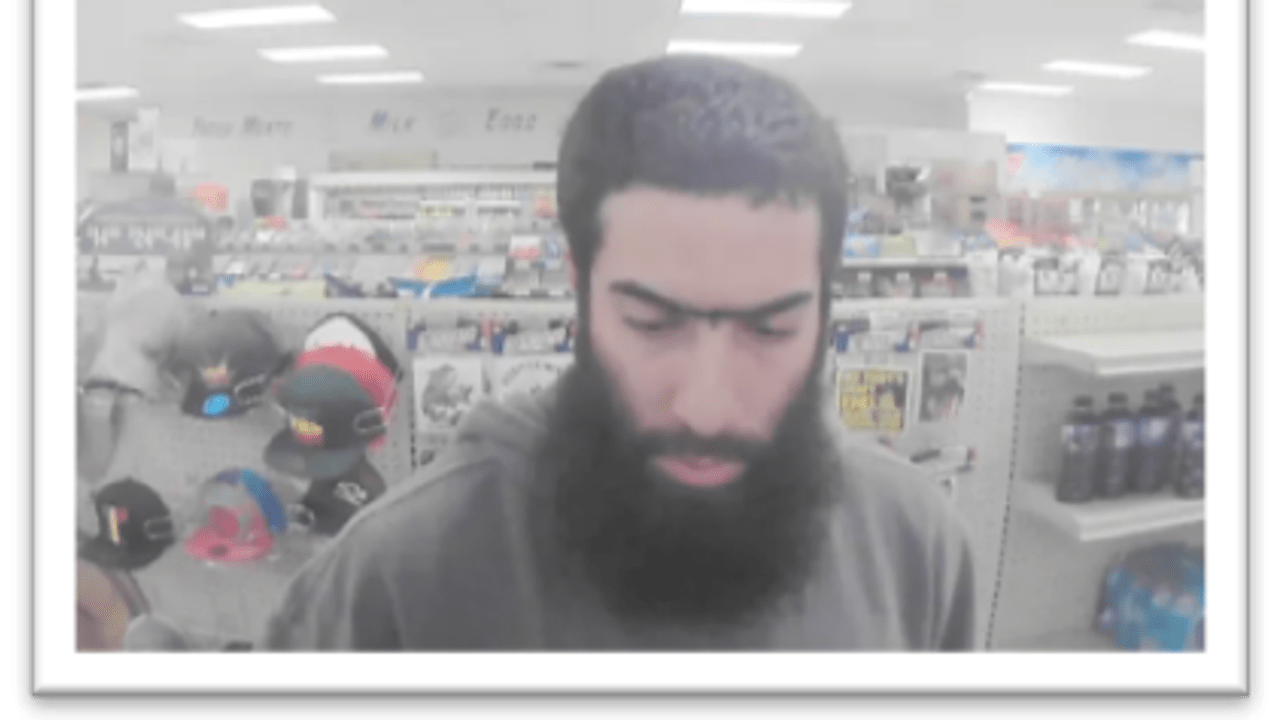
The criminal complaint alleges that Younes grew increasingly radicalized, expressing support for ISIS and other terrorist figures and organizations through encrypted communications with associates.
A 34-year-old Georgia resident was arrested earlier this month and charged with international money laundering and destruction of evidence following an FBI investigation into allegations of sending over $26,000 to individuals and groups affiliated with ISIS, the US Department of Justice announced on Thursday.
Younes Moustafa Younes first came to the FBI's attention in 2020 after allegedly accessing ISIS propaganda online. When questioned, Younes admitted viewing the propaganda but denied supporting extremist ideologies.
The criminal complaint alleges that Younes grew increasingly radicalized, expressing support for ISIS and other terrorist figures and organizations through encrypted communications with associates.
Between December 2021 and April 2022, Younes allegedly sent about $9,206 to cryptocurrency addresses associated with terror efforts through 11 separate transactions.
The complaint cites encrypted communications allegedly showing Younes sharing extremist content and praising ISIS.
In September 2022, Younes sold his vehicle, cashed out retirement funds, left his employment, and traveled to Turkey on a one-way ticket, where he remained for about two years before being arrested and deported back to the US, where investigators allege Younes continued expressing support for extremist causes and maintained contact with individuals previously convicted on terrorism related charges.
Younes was alleged to have sent $16,807 through cryptocurrency transactions using multiple phone numbers and accounts intended to conceal his identity, some of which were intended to promote the efforts of ISIS in Syria, between December 2025 and June 2026.
Younes allegedly tries to destroy evidence
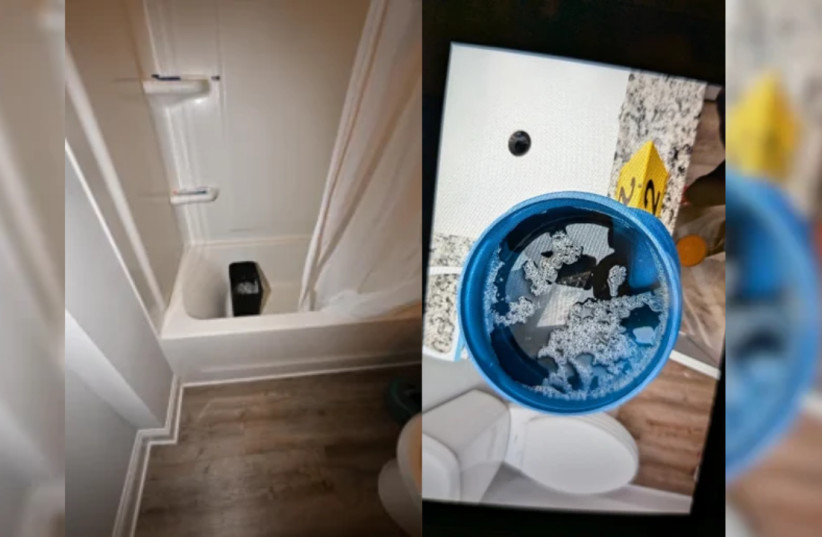
Younes also allegedly destroyed evidence before his arrest. While searching his home, FBI agents found three phones in an unknown solution, one smashed and another without an identification number. Agents also found shredded documents submerged in an unknown solution in a bathtub.
If convicted, Younes faces a maximum penalty of 20 years in prison, to be followed by three years of supervised release, and a $500,000 fine for international money laundering, and a maximum penalty of 20 years in prison, to be followed by three years of supervised release, and a $250,000 fine for destroying evidence.
KioskNews shows a cleaned-up reading view extracted from the publisher’s page — the original always lives on their site, not ours.