Indian universities slip in QS Asia rankings again: No IIT, IISc in top 50
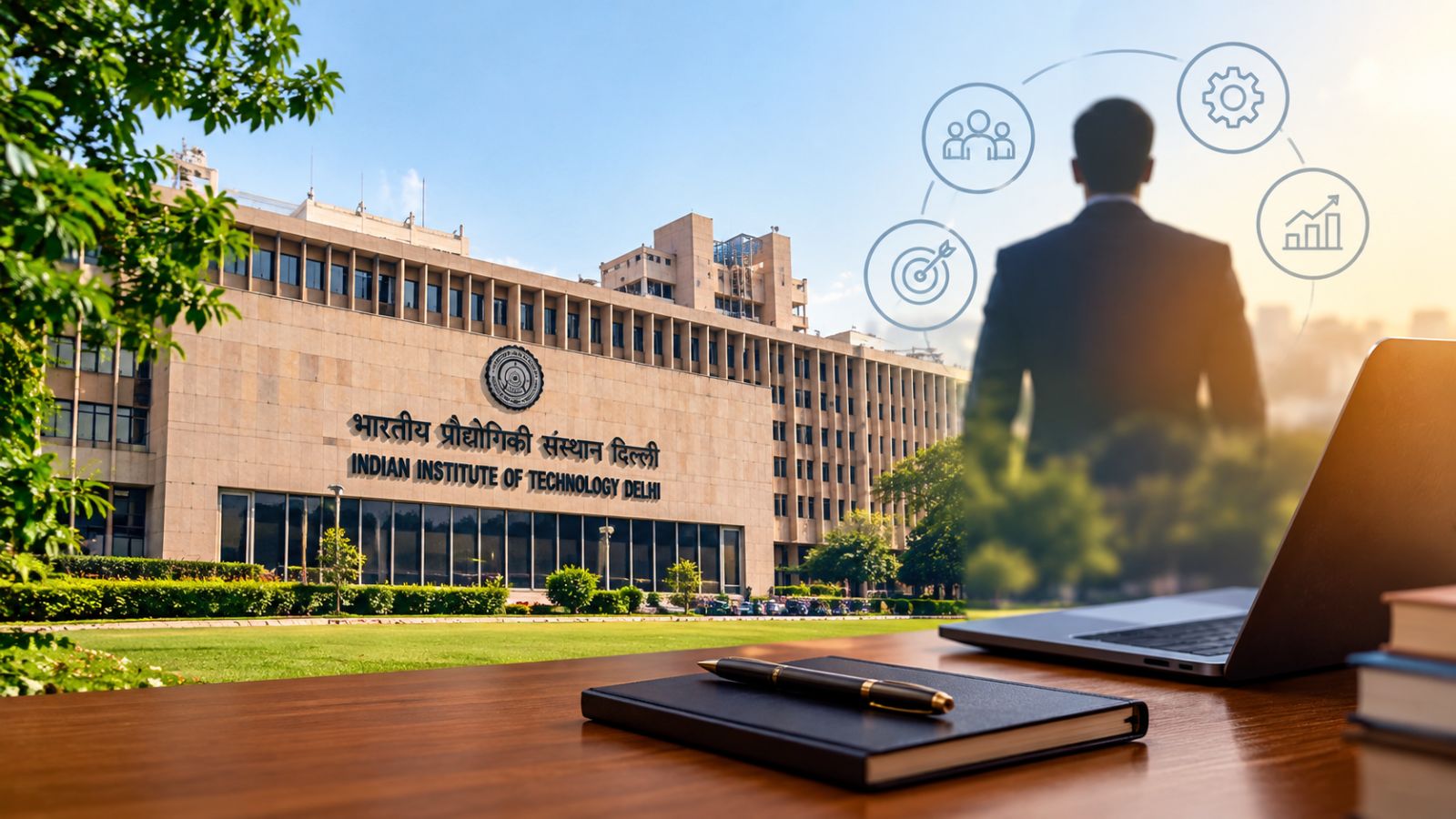
IIT Delhi remains India’s highest-ranked institution at 66th position, down from 59th last year. (Photo: AI Generated)
FOR THE second year in a row, Indian universities failed to secure a position in the top 50 of QS World University Rankings: Asia 2027.
The drop in the rankings of India’s leading institutions stands in contrast to country’s performance in research output and doctoral capacity, where several universities continue to feature among Asia’s strongest. India leads the region in the number of universities featuring in the top 10 for research output per faculty member and doctoral-qualified staff.
The strong research output, however, has not translated into a comparable performance in terms of research impact. India has only three universities in Asia’s top 50 for Citations per Paper, which measures the citation impact of published research, the report says.
IIT Delhi remains India’s highest-ranked institution at 66th position, down from 59th last year. India’s overall representation in this year’s list has risen to 325 from 294 last year. According to the rankings released by international higher education experts QS Quacquarelli Symonds on Wednesday, India is Asia’s second most represented higher education system, with 34 new entrants.
Since 2016, the number of ranked Indian institutions has risen over thirteenfold, from just 24 to 325. This represents an increase of over 1,250%, or an average of around 27% a year, outpacing Asia’s other major higher education systems over the same period — mainland China grew by around 315%, Indonesia by 164%, Japan by 44% and South Korea by just 30%.
In the expanded edition featuring 195 new entrants across Asia, all six of India’s highest-ranked universities have slipped. IISc Bengaluru has fallen from 64th to 79th, IIT Bombay is down from 71st to 83rd. IIT Madras has moved from 70th to 85th, IIT Kharagpur from 77th to 90th, and IIT Kanpur from 77th to 99th.
Delhi University’s ranking has fallen out of the top 100, from 95th to 106th. Chandigarh University, Lovely Professional University and Jamia Millia Islamia are among the Indian institutions that have improved their positions, the report shows.
Story continues below this ad
India leads Asia in research output relative to academic staff, as measured by QS’ Papers per Faculty indicator. As many as 27 Indian universities feature in the regional top 50 on this measure, including five in the top 10 and two in the top five, more than any other higher education system. The country’s strength in doctoral education is another notable finding. Fifteen Indian universities share first place in Asia for staff with PhD, which measures the proportion of academic staff holding doctoral qualifications.
QS Senior Vice-President Ben Sowter said India has built remarkable research capacity. “The challenge now is to translate this strength more consistently into research impact and international recognition. Although several leading institutions have fallen in this year’s rankings as competition grows across Asia, India has a strong foundation on which to build,” Sowter said.
KioskNews shows a cleaned-up reading view extracted from the publisher’s page — the original always lives on their site, not ours.