Lawmakers blame Huanggang Port queues on confusion, traffic surge and system issues
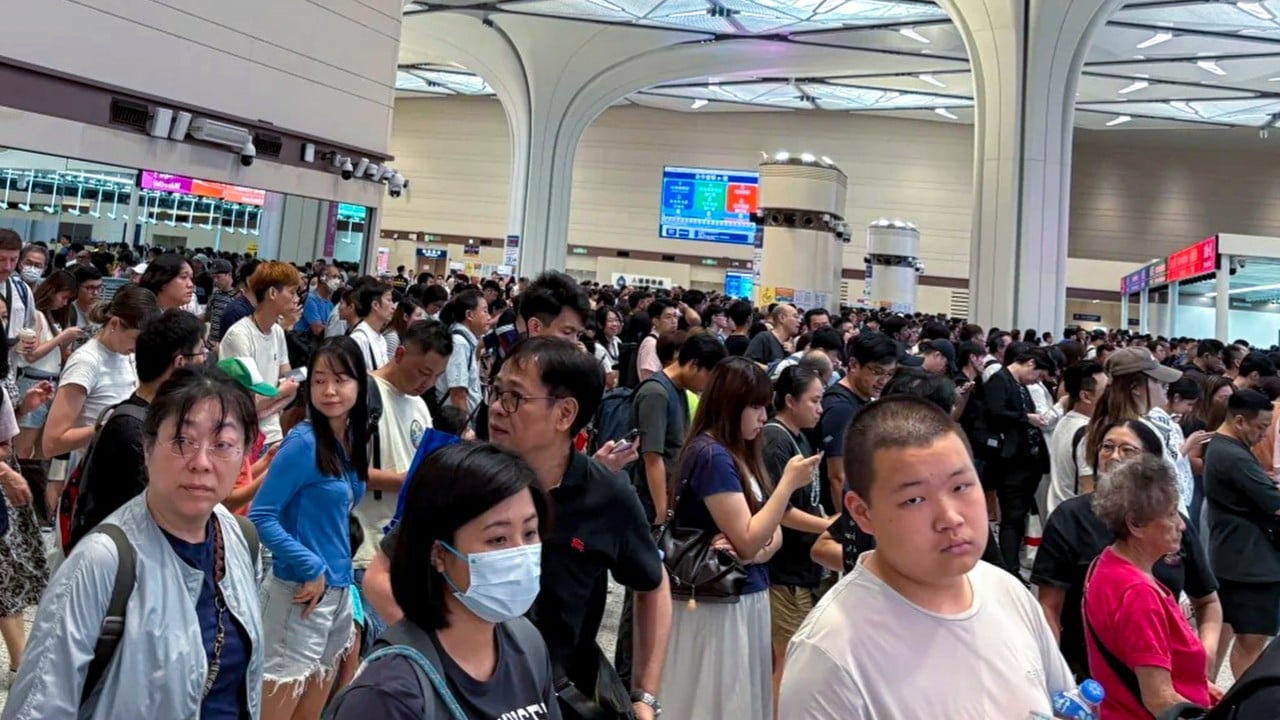
Hong Kong’s revamped Huanggang Port handled more than 152,000 crossings on Sunday, with some travellers waiting up to two hours amid congestion that lawmakers attributed to unfamiliarity with new clearance procedures, a surge in traffic and computer system reboots.
Immigration Department figures showed the port handled 152,068 crossings, the highest daily total since it opened on October 12. These comprised 77,166 outbound trips and 74,902 inbound journeys.
Hongkongers accounted for 133,265 crossings, while mainland visitors made 16,832 trips.
The facility is designed to handle up to 300,000 travellers and 15,000 vehicles a day, with daily passenger numbers initially expected to range from 100,000 to 200,000.
As the Chung Yeung Festival break fuelled a surge in cross-border travel over the weekend, the Security Bureau issued a “busy” advisory for Huanggang on its “Easy Boundary” portal on Sunday afternoon, warning that clearance could take up to 45 minutes. Some mainland visitors, however, reported queuing for as long as two hours.
Lawmaker Ben Chan Han-pan, chairman of the Legislative Council’s transport panel, said travellers’ unfamiliarity with the new “collaborative inspection and joint immigration clearance” model was the main cause of congestion, while some had tried to use the automated channels without registering beforehand.
He added the sudden surge in passenger numbers on Sunday had also overwhelmed the control point
Chan also said computer systems at the immigration counters had slowed after running for extended periods and needed to be rebooted, further lengthening queues.
The government previously estimated that the new model could cut border clearance times from half an hour to five minutes. It allows travellers to complete clearance by presenting a single identity document and passing through an automated channel with three gates.
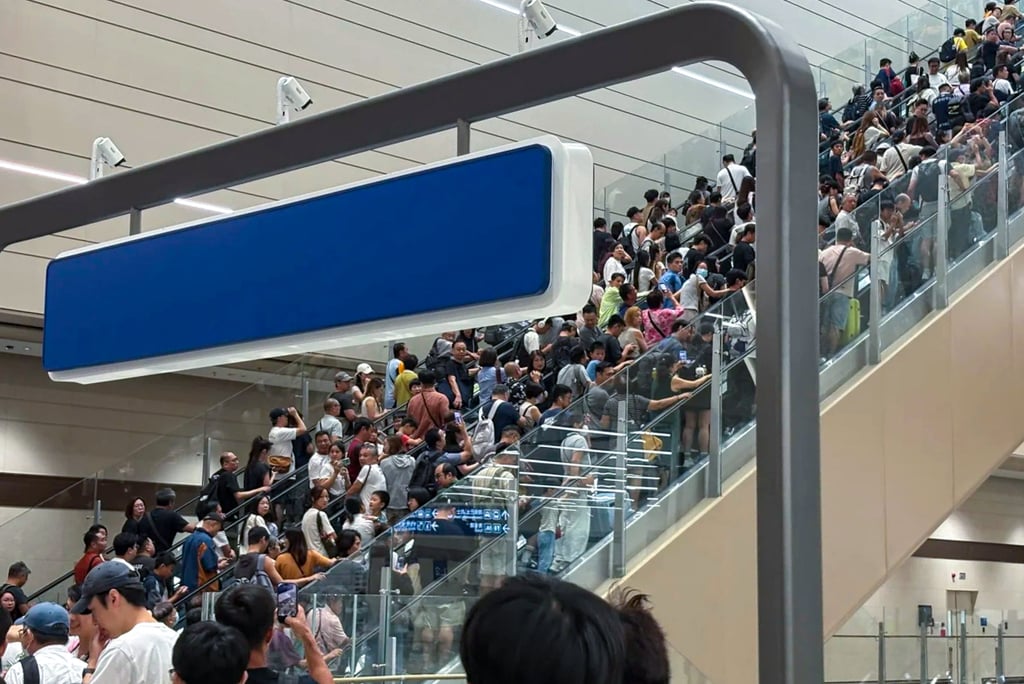
Speaking on a radio programme on Monday, lawmaker Chong Ho-fung said long queues at the newly reopened port over the weekend were inevitable given the large number of travellers crossing the border during the Chung Yeung Festival peak.
He added that more than 40,000 people crossed at Huanggang between 10am and 2pm on Sunday, averaging more than 10,000 an hour, and even with each passenger taking just a minute to complete clearance, queues could easily result in an hour-long wait.
“The government’s projections and my own both forecast this would happen. It is a chaotic situation that was within expectations,” Chong said.
He urged authorities to step up publicity about registration procedures and eligibility requirements for the new “joint clearance” automated channels.
Children under seven cannot use the automated channels and must be accompanied by their parents to staffed counters to complete clearance. Those aged seven to 17 can use the “joint clearance” channels once their parents have registered them.
Chong said clearer information would help prevent families with young children from reaching the front of the queue only to discover they were ineligible and had to move to staffed counters, adding to their clearance time.
“There were too many different reasons why a passenger could not complete clearance, and staff on the ground may not be able to identify the exact reason immediately, causing a chaotic situation,” he said.
He also suggested designating more clearance lanes for use by both foreign travellers and Hong Kong residents to speed up the process.
Chong said he had also observed system reboots on Sunday in the “joint one-stop” vehicle clearance lane because of mismatches between Hong Kong and Shenzhen data.
But he said the congestion was unlikely to persist, as clearance should become smoother once more travellers had registered properly.
KioskNews shows a cleaned-up reading view extracted from the publisher’s page — the original always lives on their site, not ours.