Shield whistleblowers from possible repercussions at workplace, ex-judge says
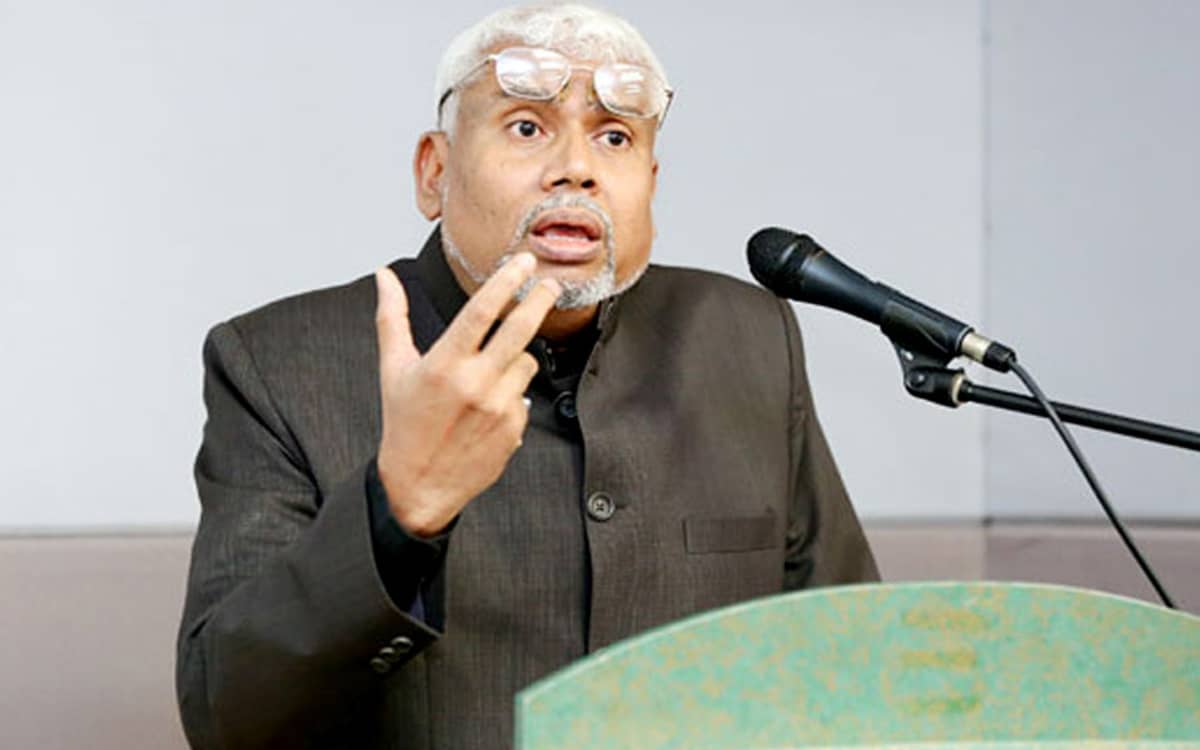
A former judge has called for protection for whistleblowers from possible repercussions at the workplace, citing the hardship he experienced after reporting alleged judicial misconduct.
Hamid Sultan Abu Backer said civil servants risk unfair treatment throughout their years in public service for exposing wrongdoing.
“A whistleblower can face immediate pressure, hostility or retaliation from peers, superiors, or syndicated networks profiting from illicit border facilitation.
“So in this particular case, more should be done to protect her,” he told FMT, referring to the Malaysian Border Control and Protection Agency (AKPS) officer who reported her colleague for attempting to smuggle a foreigner into a country.
The officer has since been arrested.
Hamid, a former Court of Appeal judge, recalled how he was suspended for six months in 2021 over an affidavit alleging judicial interference in several high-profile cases.
He said he would not be surprised if the AKPS whistleblower encountered similar friction.
“If a senior judicial figure faces such strain, junior officers (in other government departments) operating on the ground face even steeper odds without ironclad institutional safeguards,” he said.
Hamid acknowledged the role of whistleblowers in curbing entrenched corruption, misconduct and abuse of power.
However, to be effective, the law must be amended to provide both meaningful incentives and robust, enforceable protection, he said.
“The Act alone cannot shield a civil servant from unfair treatment or career repercussions throughout years of public service. As it stands, it falls short on several fronts,” he said.
He added that in his view, the Whistleblower Protection Act 2010 was drafted primarily to shield institutions from false allegations rather than protect bona fide whistleblowers.
Lawyer SN Nair said government leaders must back the AKPS whistleblower by protecting her from possible repercussions, to show other civil servants that they need not fear reporting corrupt officers.
He said Malaysian work culture is hostile towards those who try to check malpractice by their colleagues or seniors.
“Protection and appreciation shown towards this AKPS officer can be a catalyst for fighting graft,” he said.
Nair said to prevent the perception of honesty as a personal penalty, civil servants must receive consistent, top-down backing that is both obvious and reliable.
“Integrity should not be a solo act. It requires steady, visible institutional support for all public employees to combat corruption,” he said.
KioskNews shows a cleaned-up reading view extracted from the publisher’s page — the original always lives on their site, not ours.