Live bomb handed into stunned charity shop staff before disposal experts detonate it on beach
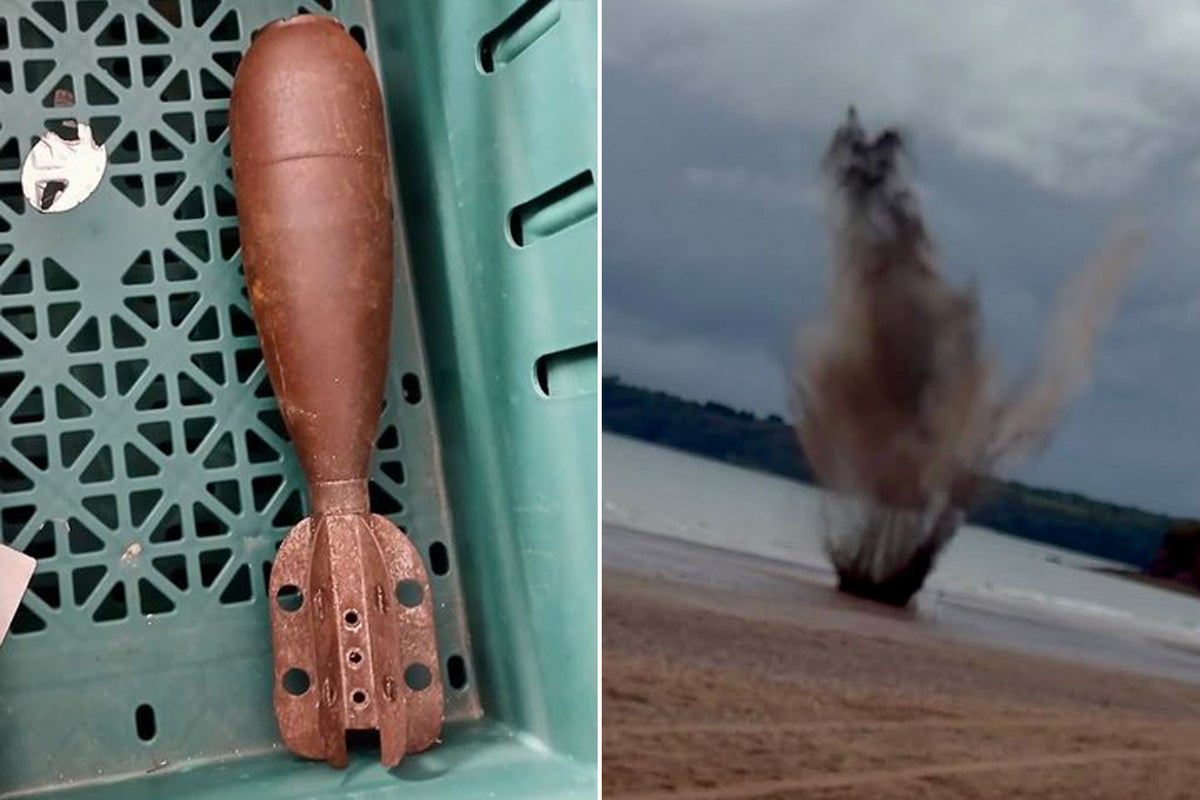
A high-explosive mortar donated to a charity shop has been destroyed by Royal Navy bomb disposal experts on a beach in Devon.
The explosive was found among a collection of items donated to the British Heart Foundation shop on Victoria Street in Paignton.
Police were called to the shop at around 9am on Wednesday, October 7 after the unusual donation was discovered.
An Explosive Ordnance Disposal (EOD) team from HMNB Devonport in Plymouth were also called in to assess the item and check it was safe to move.
“On arrival, the team identified the object as a British 3-inch high-explosive mortar,” the Royal Navy said in a post on X sharing images of the explosive.
“After determining it was safe to move, the mortar was carefully removed from the premises and transported to Goodrington Beach, where it was safely destroyed in a controlled detonation,” it added.
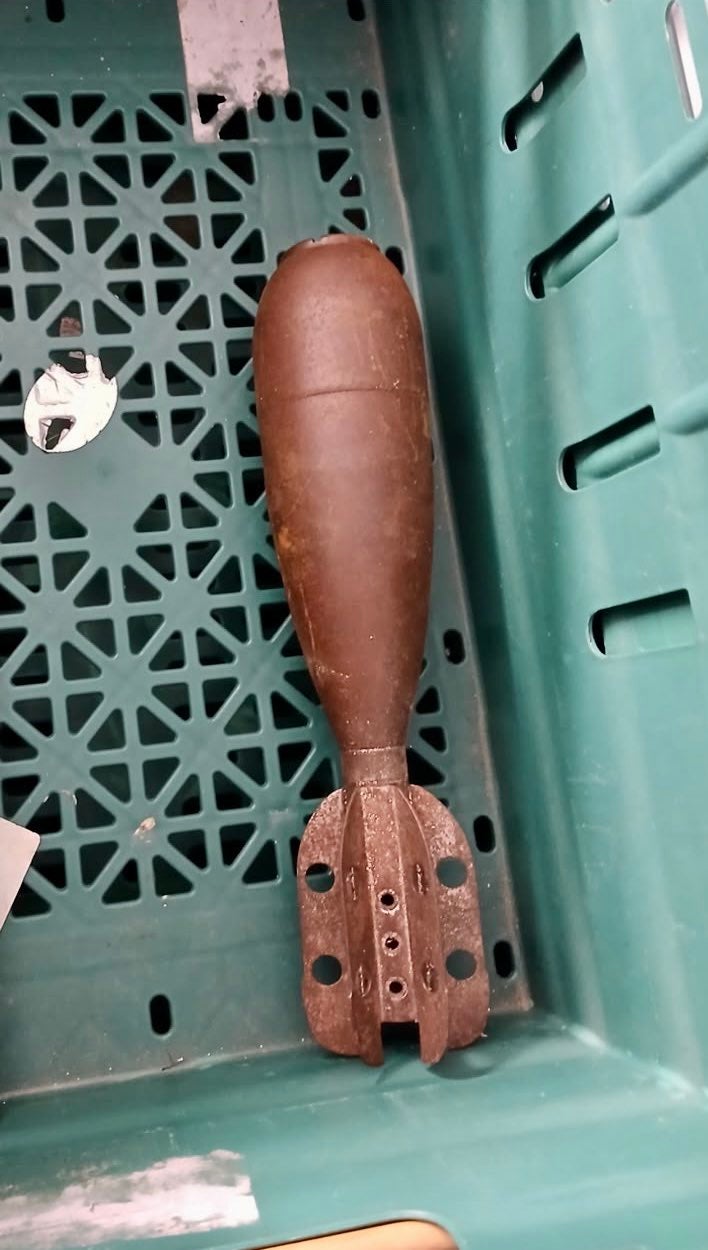
The three-inch mortar was in standard use by the British Army between the 1930s and 1960s and was used throughout World War Two.
Lieutenant Matt Bowden, Officer in Charge of Bravo Unit One, and on scene today said: “The Royal Navy Bomb Disposal team from HMNB Devonport was called to investigate suspected ordnance discovered in Paignton today.
"Once my team had assessed it as safe to move, we transported it to Goodrington Beach, where it was safely destroyed in a controlled explosion.
"Incidents like this highlight the importance of contacting the authorities if you discover any suspected military ordnance and not attempting to handle it yourself.”
It comes after more than 300 homes were evacuated in Cornwall following the discovery of a suspected unexploded World War Two bomb.
The suspected 250lb (115kg) American air-dropped bomb was discovered in the water at Falmouth Docks on 21 September.
Devon and Cornwall Police and Cornwall Council established a 750-metre exclusion zone, urging all local residents to leave.
It was later safely detonated at sea, causing a small plume of water.
Lt Matt Bowden, officer in charge of Royal Navy Bravo Diving Unit 1, told the BBC after the explosive had been detonated that his team had dealt with four air-dropped weapons this year and more unexploded bombs in 2026 than in the previous five years combined.
KioskNews shows a cleaned-up reading view extracted from the publisher’s page — the original always lives on their site, not ours.