Courts clear 102pc of corruption cases as CJ Koome pushes justice reforms
NAIROBI, Kenya, Nov 3 — Kenyan courts resolved more corruption-related cases than they received in the 2025/26 financial year, recording a 102 per cent clearance rate as the Judiciary steps up efforts to strengthen accountability and improve access to justice.
The courts received 2,852 corruption-related cases during the reporting period but resolved 2,909, according to the Administration of Justice in Kenya Annual Report 2025/26 launched on Tuesday.
The figures indicate that courts cleared cases carried over from previous reporting periods, reducing the pending caseload in corruption-related matters.
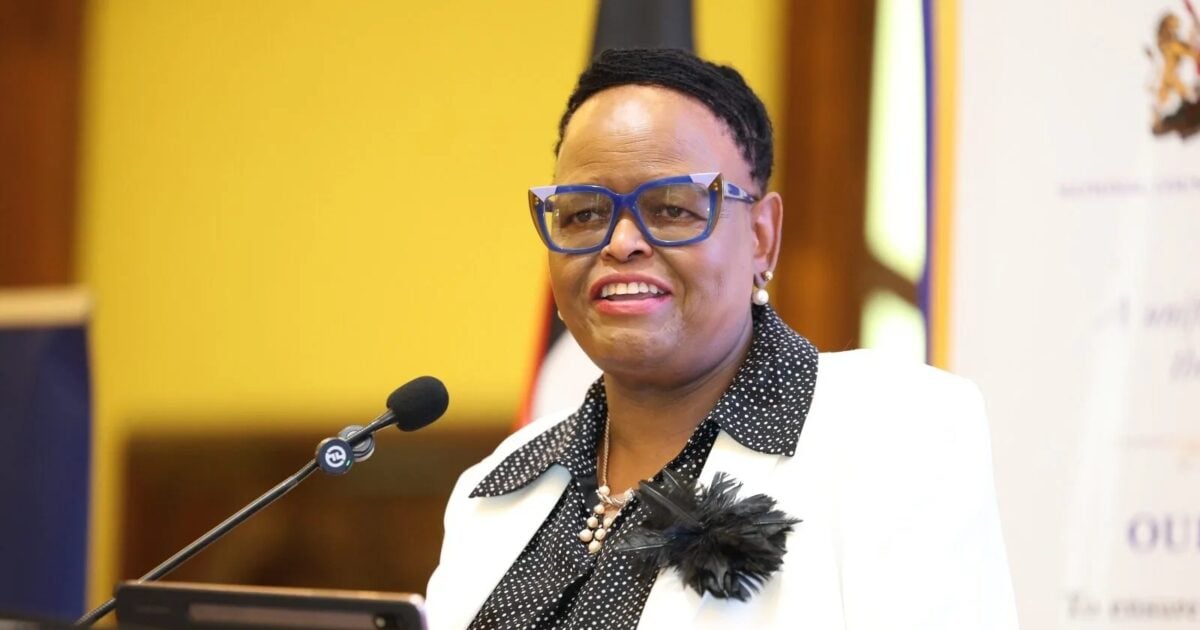
Chief Justice Martha Koome said the progress demonstrated the importance of coordination among justice-sector institutions, warning that fragmented operations could undermine efforts to deliver timely and effective justice.
Speaking during the launch of the National Council on the Administration of Justice (NCAJ) Strategic Plan 2026–2030 in Nairobi, Koome called on institutions across the justice chain to strengthen collaboration, share information and align their resources towards common priorities.
She said the administration of justice was a collective responsibility requiring courts, prosecutors, investigators, law enforcement agencies and other institutions to work together to address delays and improve public confidence.
“We must transform coordination into collective action and reform commitments into services the public can trust,” she said.
The annual report also details asset recovery efforts by the Ethics and Anti-Corruption Commission (EACC), which recovered assets valued at Sh3.63 billion and preserved assets worth Sh7.3 billion during the reporting period.
The commission further instituted 46 civil suits valued at approximately Sh14.1 billion as part of efforts to recover public resources.
The report also highlights the enactment of the Conflict of Interest Act, 2025, as part of broader efforts to strengthen accountability and address corruption.
Koome launched the new five-year NCAJ strategic plan alongside the end-term review of the 2021–2026 plan and the latest annual report on the administration of justice.
The outgoing strategic plan recorded an overall implementation performance score of 83.23 per cent, with progress in alternative dispute resolution, the development of an anti-corruption strategic framework and initiatives to promote environmental sustainability within the justice system.
The 2026–2030 plan identifies seven strategic priorities, including stronger institutional partnerships, reforms in criminal and civil justice delivery, expanded access to justice for vulnerable and underserved communities, and improved monitoring and institutional capacity.
Koome urged member institutions to align their budgets, work plans and performance commitments with the new framework, saying reforms must translate into tangible improvements for people seeking justice.
“We must transform coordination into collective action and reform commitments into services the public can trust,” she said.
Chief Registrar of the Judiciary and NCAJ Secretary Winfridah Mokaya said institutions must move beyond operating in silos and embrace shared accountability to improve the delivery of justice.
She called for adequate resource mobilisation and stronger institutional cooperation, noting that the success of the council should be measured by the difference its work makes in the lives of justice seekers.
The launch also marked the beginning of the November Child Justice Service Month, an initiative aimed at strengthening coordinated responses to children who come into contact with the justice system.
The initiative seeks to improve cooperation among courts, police, child protection agencies, legal assistance providers, families and communities to ensure children receive timely protection and appropriate support.
This year’s theme is “Strengthening Multi-Agency Action to Safeguard Childhood Beyond Policy Commitments (10 Years On): Including Multiple Pathways of Child-Centred Justice.”
Koome called on justice-sector institutions to prioritise child-sensitive approaches and ensure that children interacting with the justice system are treated with dignity and receive appropriate protection.
The event, held under the theme “Enhancing Justice Sector Coordination and Collaboration,” brought together representatives of the Judiciary, Executive, Legislature, county governments, civil society organisations and development partners.
State House Deputy Chief of Staff Josphat Nanok and Council of Governors Chair Muthomi Njuki also attended the launch.
KioskNews shows a cleaned-up reading view extracted from the publisher’s page — the original always lives on their site, not ours.