Hong Kong’s Election Committee race: how voting works and new candidates to watch
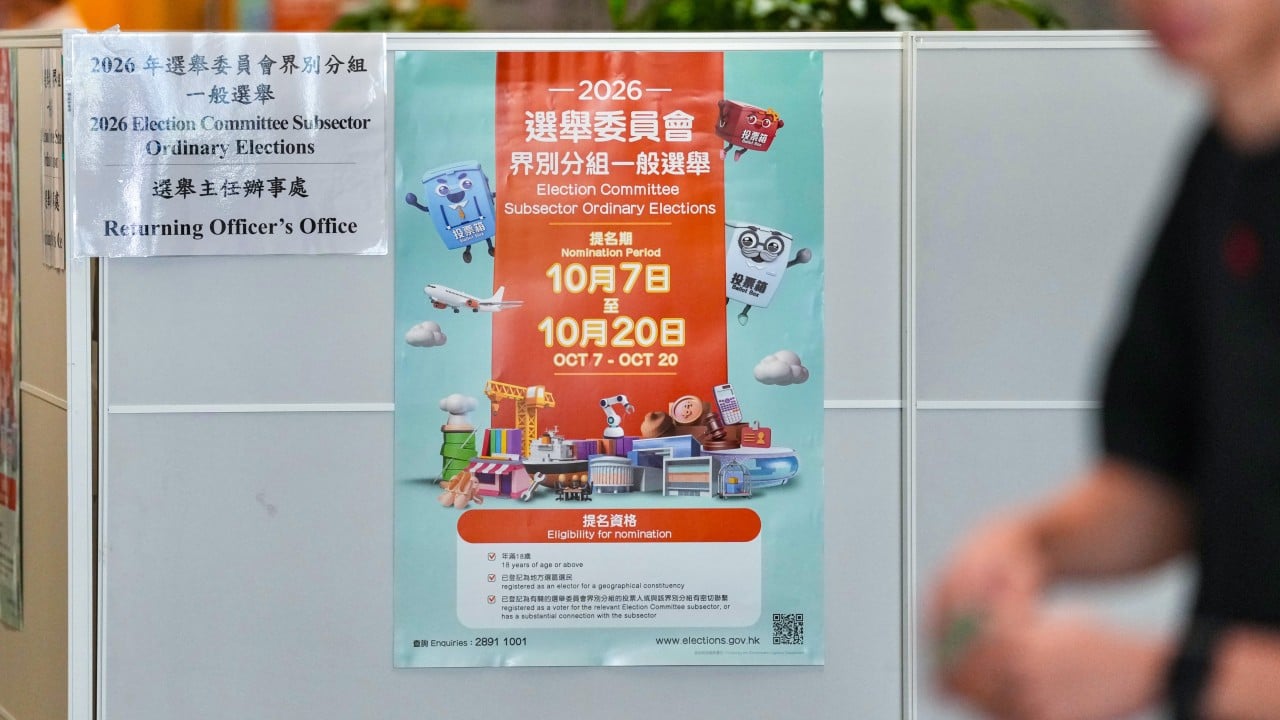
Hong Kong goes to the polls on Sunday for some 5,700 eligible voters to choose members of the powerful Election Committee, a 1,500-strong electoral college that will nominate candidates and elect the city leader in next year’s chief executive race, as well as nominate candidates and elect legislators in the 2029 Legislative Council election.
Here is what you need to know about the 2026 Election Committee Subsector Ordinary Elections and the candidates to watch.
1. What is the Election Committee?
The Election Committee comprises 1,500 members from 40 subsectors across five major sectors, ranging from commercial, financial, professional and labour sectors to grass roots organisations, district representatives and the city’s delegates on national bodies.
A total of 856 candidates are vying for 723 contested seats in 31 subsectors. They will join 259 uncontested members, 362 ex officio members and 156 members nominated by designated bodies to form the full electoral college.
Sunday’s poll is more competitive than five years ago, when only 13 subsectors were contested. Observers have suggested that this reflects Beijing’s push to foster healthy competition within the pro-establishment camp and strengthen the legitimacy of the body.
2. Who are the first-time candidates?
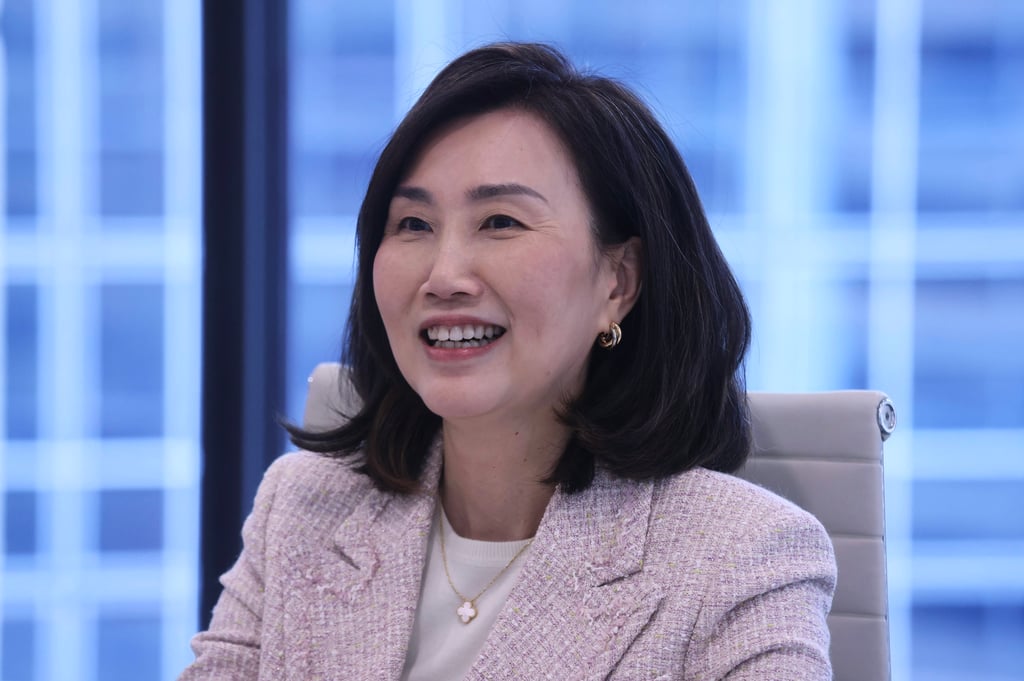
The race features several prominent newcomers, including former justice minister Rimsky Yuen Kwok-keung, who is returning to politics by standing in the legal subsector. Citi Hong Kong CEO and head of banking Aveline San Pau-len and Standard Chartered Bank’s CEO for Hong Kong, Greater China and North Asia, Mary Huen Wai-yi, are running in the finance subsector. Former television news anchor Ivan Yau Man-wa, now community affairs manager of Sino Group, is contesting in the hotel subsector,
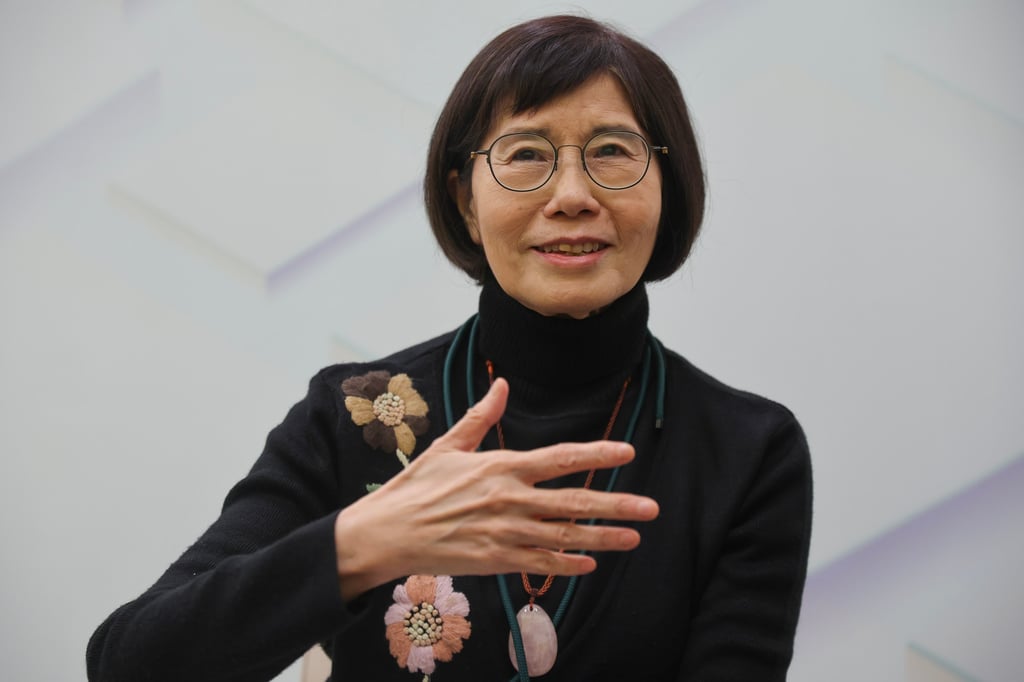
Table tennis player and Olympic medallist Doo Hoi-kem and blind singer Michelle Siu Hoi-yan will be running unopposed in the subsector for representatives of Hong Kong members of relevant national organisations.
Meanwhile, several business and political heavyweights are bowing out. Stewart Leung Chi-kin, chairman of the Real Estate Developers Association of Hong Kong, and property tycoon Gordon Wu Ying-sheung will not seek re-election.
Others stepping down include Maria Tam Wai-chu, former vice-chairwoman of the Basic Law Committee under the National People’s Congress Standing Committee (NPCSC), and Tam Yiu-chung, a former Hong Kong deputy to the NPCSC. Both vacated positions that had entitled them to ex officio seats on the Election Committee.
3. How is voting conducted?
Excluding uncontested subsectors, only a small pool of 5,757 voters is eligible to cast ballots, comprising district representatives, designated representatives from pro-government groups, corporate bodies named by authorities and government-subsidised NGOs.
Five polling stations are set up across the city from 9am to 6pm. Vote counting will begin immediately after polls close, with results expected to be announced by midnight.
4. Which are the most and least contested subsectors?
The social welfare and medical and health services subsectors face the fiercest battles, with 25 and 23 candidates respectively vying for the 15 seats in each.
Hopefuls standing in the social welfare subsector include former permanent secretary for labour and welfare Annie Tam Kam-lan and former deputy director of social welfare Wong Kwok-chun.
Candidates running in the medical and health services subsectors include former health minister Sophia Chan Siu-chee, Hospital Authority chief executive Libby Lee Ha-yun and renowned oncologist Professor Tony Mok Shu-kam.
By contrast, 259 members of five subsectors will be returned unopposed. They consist of labour, education, associations of Chinese fellow townsmen, representatives of Hong Kong members of relevant national organisations, and sports, performing arts, culture and publications.
5. What is the expected turnout?
While dozens of high-profile candidates, including former senior officials and tycoons, are unable to cruise to victory via walkovers this time, any upsets or unexpectedly narrow wins involving heavyweights will be closely watched.
As campaigning ramps up in the final stretch and Beijing looks to surpass the 89.77 per cent turnout rate of the 2021 poll, overall and by-subsector voter turnouts will serve as key barometers of whether final-stage mobilisation pays off.
KioskNews shows a cleaned-up reading view extracted from the publisher’s page — the original always lives on their site, not ours.