Iran-linked ships suspected of mapping, placing mines around undersea telecommunications cables
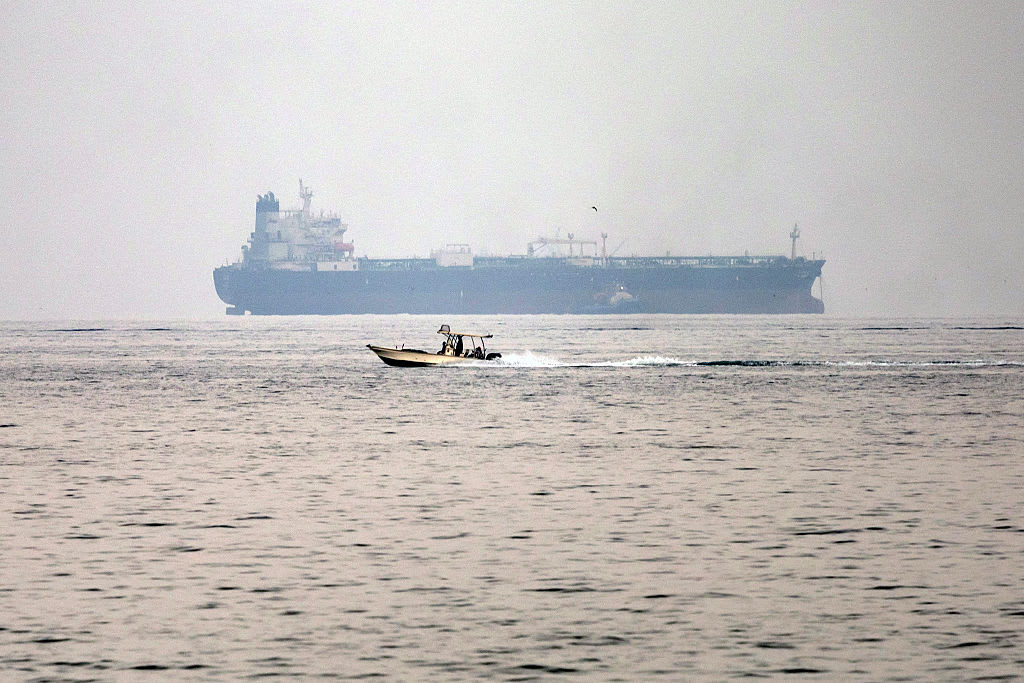
Iranian-linked vessels have been observed making suspicious movements near undersea telecommunications cables in the Gulf of Oman, according to a Financial Times report, following Tehran’s warnings that it could target regional communications infrastructure if the United States and Israel renew military strikes against Iran.
For more stories from The Media Line go to themedialine.org
Israeli maritime intelligence company Windward tracked at least four ships traveling along unusual routes near submarine cable networks, including three oil tankers under US sanctions and a small Iranian fishing vessel.
Tracking records showed that the fishing boat lingered near the Europe India Gateway and Transworld cables between October 21 and 26. Windward identified similar irregular navigation patterns involving the three tankers.
According to the company, the ships behaved differently from commercial vessels stationed nearby awaiting oil cargoes from the Gulf. Their movements changed after they approached specific corridors containing telecommunications cables.
Windward told the Financial Times that the vessels traveled “normally until they reached a specific cable corridor, and only then slowed, looped, turned back, loitered, or went dark.”

The company assessed that the behavior “fits the profile of mapping the cable routes, or placing charges or mines on them while dark.”
Iran threatens internet connection of Persian Gulf countries
The findings come after Iran repeatedly threatened over the past month to attack submarine cables and data centers in the Strait of Hormuz if Washington and Israel launch another military offensive. The warnings coincided with indications from the US president that military operations against Tehran could resume.
Telecommunications infrastructure beneath the Strait of Hormuz provides essential internet connections to several countries in the Persian Gulf. Iraq, Kuwait, Bahrain, and Qatar depend entirely on cables passing through the waterway for their connectivity.
Telecommunications research firm TeleGeography identifies six existing cables running through the strait, alongside three additional networks currently under construction.
Those projects include Fibre in Gulf, Sea-Me-We 6, and 2Africa, with the latter closest to completion.
An attack damaging the cables could severely disrupt internet services and economic activity across neighboring Gulf states, particularly countries without alternative submarine routes for international connectivity.
KioskNews shows a cleaned-up reading view extracted from the publisher’s page — the original always lives on their site, not ours.