Union Minister to join Naga peace talks, NSCN (I-M) says ‘encouraging’
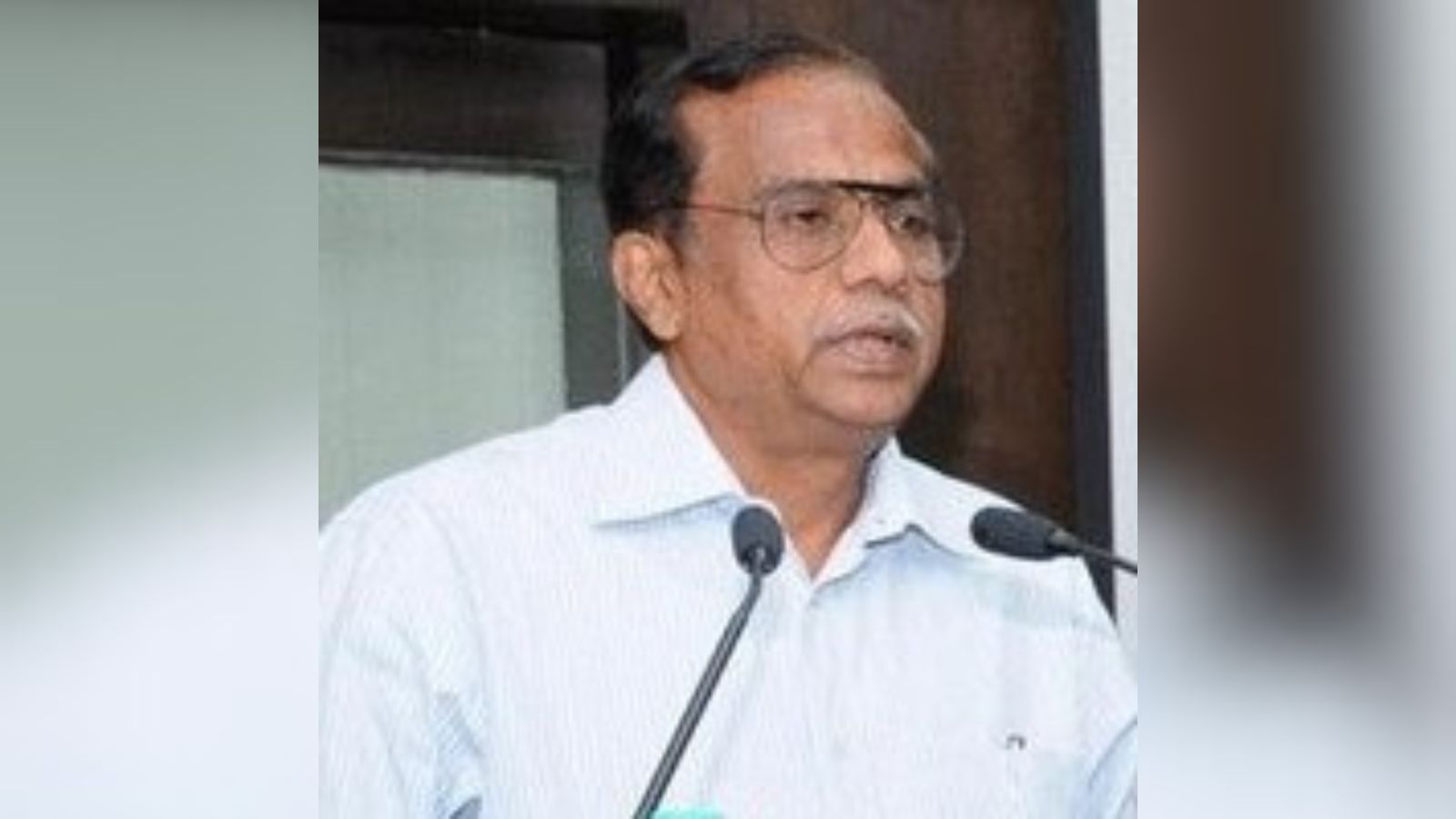
In a significant step forward in the Naga peace process, the Centre has agreed to include “a Union Minister or a group of Union-level Ministers” in the talks, meeting a longstanding demand of the NSCN-IM for political representation in the negotiations.
In a statement Thursday, the NSCN-IM welcomed the move: “We particularly welcome the GoI’s decision to include a Union Minister, or a group of Union-level Ministers, in the negotiation framework. We expect this will ‘expedite the political process’ and create the necessary momentum for reaching an honourable and enduring political settlement.”
And for the first time, the NSCN-IM also welcomed Lal’s appointment as “interlocutor” for the talks even though he was appointed Adviser (North East) in the Ministry of Home Affairs in February. “This appointment is a ‘significant and encouraging development’ that reflects the GoI’s renewed resolve to advance the peace process with seriousness and urgency,” the outfit’s statement said.
The tone and tenor of the statement is very different from the statements issued in the years when former IPS officer R N Ravi functioned as the Naga interlocutor. Following disagreements over the 2015 Framework Agreement for the Naga peace talks, heated exchanges between Ravi and the NSCN-IM prompted the latter to harden its stance and virtually pushed the talks into a stalemate.
The NSCN-IM had accused Ravi of “mischief” and attempts to “segregate Naga society”, while Ravi called the NSCN an “armed gang” and accused it of running a “parallel government” engaged in extortion.
Even after Ravi was replaced by former Intelligence Bureau Additional Director A K Mishra, the talks failed to make much headway.
A Central security establishment officer said, “The NSCN-IM had always wanted the negotiations to be political with the involvement of political representatives. This is a positive development for the talks.
In its statement, the NSCN-IM also thanked the Nagaland government led by Chief Minister Neiphiu Rio for its “sincere participation and active facilitation” of the political dialogue.
“We acknowledge that the constructive engagement of the Nagaland government has been instrumental in sustaining the peace process and ensuring that the voices of the Naga people remain central to the negotiations,” the statement said.
The government has been holding talks with the NSCN-IM since 1997 to resolve the decades-long insurgency in the Naga hills with the signing of a peace accord. On August 3, 2015, a Framework Agreement was signed between the government and the NSCN (I-M) in the presence of Prime Minister Narendra Modi. But little was achieved thereafter, and the public altercations between Ravi and the NSCN-IM in the early 2020s made a settlement appear even more distant.
Sources said the latest development was the result of multiple factors, including Lal’s good relations with the Nagas – he had officiated as the interlocutor for five months in 2014 – as well as changing dynamics in the Naga political space.
According to security establishment sources, the NSCN-IM is also under pressure from its rebel faction, the Eastern Flank, based in Myanmar. In 2024, NSCN co-founder Isak Chishi Swu’s son Ikato joined the faction, then led by H S Ramsan and Absalom Raman, accusing the NSCN-IM leadership of being “corrupt” and “compromising the (Naga) national interest for their own selfish gain”.
In July this year, Ikato was appointed chairman of the Eastern Flank.
“It is a hardline faction that has refused negotiations with the government and is not under any ceasefire agreement. Ikato’s chairmanship grants it legitimacy since he is Isak’s son and a Naga from Nagaland. The NSCN-IM is led by Muivah, who is a Tangkhul from Manipur. This puts pressure on the IM,” an officer said.
The patience of people in Nagaland also appeared to be wearing thin over the inordinate delay in concluding the peace process. “That is building popular pressure on the NSCN-IM,” the officer said.
The hardline stance of the Eastern Flank could make it difficult for the NSCN-IM to compromise on some of its core demands, including a Naga flag and its own Constitution, demands that Delhi has said will not be met.
On Friday, a day after its statement, the External Publicity Wing (EPW) of the NSCN-IM issued another statement asserting that the ongoing political negotiations were based on “sovereignty” between the government and the NSCN. It also described the “Nagalim national flag and Nagalim national constitution” as “non-negotiable”.
On how the talks should move forward, the EPW said “the approach of the political negotiation must move forward prudently, upholding and protecting the letter and spirit of the Framework Agreement of August 3, 2015.”
KioskNews shows a cleaned-up reading view extracted from the publisher’s page — the original always lives on their site, not ours.