Bangkok tightens checks on data centers amid AI growth
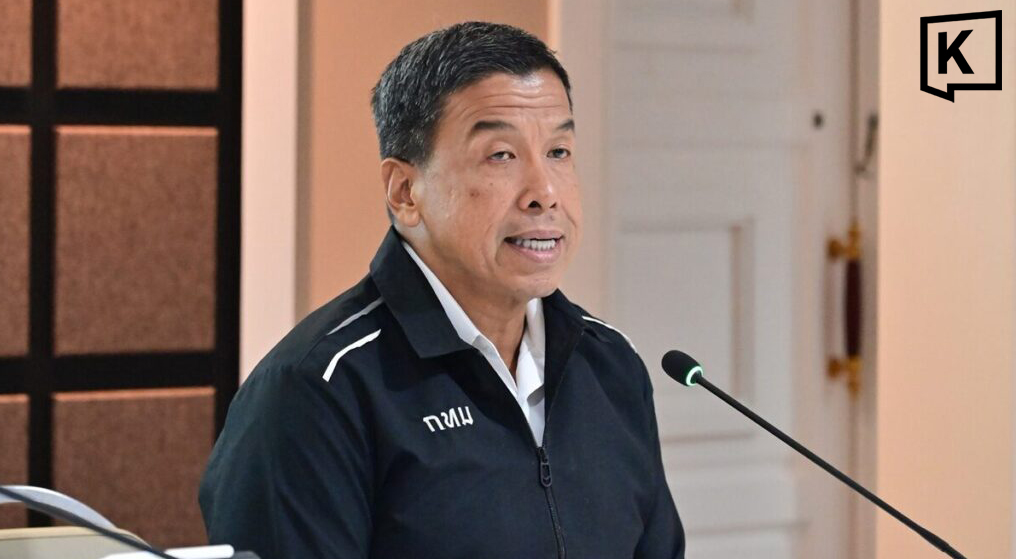
BANGKOK — 14 September 2026, Bangkok is stepping up inspections of data centers across the capital, with authorities introducing checks covering water, air, heat, noise and fire safety while awaiting clearer government regulations on the industry.
Bangkok Governor Chadchart Sittipunt said at a Bangkok Metropolitan Administration (BMA) briefing on Monday that data centers are currently not classified as industrial facilities, meaning their regulation involves several agencies.
The Metropolitan Electricity Authority oversees electricity use, while the Metropolitan Waterworks Authority handles water consumption. The Department of Industrial Works and Department of Energy Business oversee fuel-related matters, while the BMA is responsible for construction permits, city planning and public health under existing laws.
Chadchart said the government is expected to clarify whether data centers will eventually be classified as part of the industrial sector.
A BMA survey found 43 small data centers operating inside various buildings across Bangkok. Some have been in operation for more than 26 years, with their combined electricity consumption totaling about 2 megawatts.
The BMA has entered the information into its monitoring system.
The survey also found that 12 facilities had permits to store more than 15,000 liters of fuel, including one facility storing as much as 90,000 liters. All were found to be operating legally with the required permits.
Another 31 facilities use smaller generators and are therefore not required to obtain permits from the Department of Energy Business.
For large, standalone data centers, six construction applications have been submitted. Three are already operating in the Bang Kapi and Ramkhamhaeng areas, while permits for the other three projects have been put on hold.
Bangkok’s total electricity consumption is about 9,000 megawatts, of which data centers account for around 270 megawatts, or less than 3%. Chadchart said this remains relatively small compared with data center consumption in some provinces.
Despite this, the BMA has introduced a five-point inspection framework based on international standards and building-control laws.
The measures include:
- Water pollution: Wastewater discharge will be inspected once a month.
- Air pollution: Facilities must install real-time PM2.5 monitoring equipment.
- Public health and heat: Cooling towers will be checked for Legionella bacteria twice a year. Surrounding temperatures must be controlled so they do not change by more than 2–4 degrees Celsius. Data centers supporting AI systems face a tighter requirement, with temperature changes limited to 2 degrees Celsius.
- Noise pollution: Normal average noise levels must not exceed 70 decibels, while levels during system testing must not exceed 115 decibels.
- Fire safety: Facilities must have fire-fighting equipment meeting required standards and conduct evacuation drills regularly.
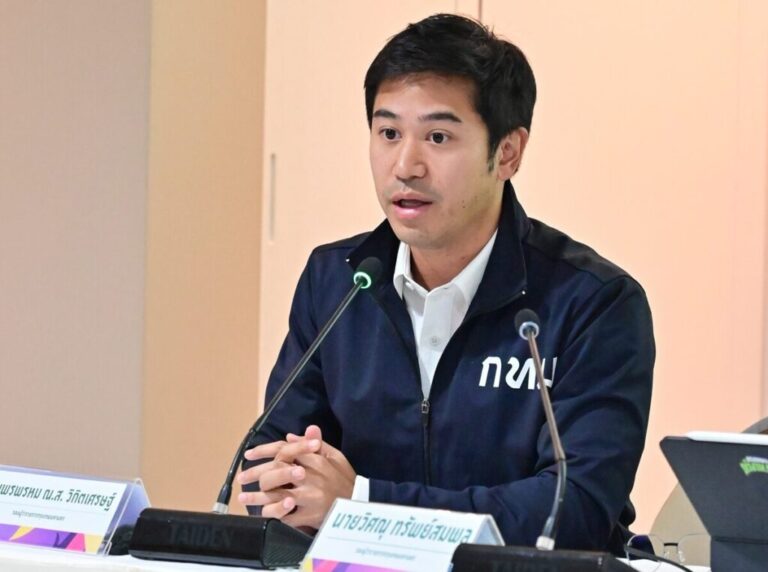
Pornphrom Vikitsreth, a Bangkok deputy governor, said the BMA had received one complaint about noise from a backup generator being tested at night.
The BMA has since required operators to notify authorities in advance of generator testing schedules to minimize disruption to nearby residents.
Regarding an oil spill in the Rama 9 area, the Pollution Control Department has inspected the site and completed the necessary response, Pornphrom said.
Chadchart said district officials had inspected all 43 small data center sites and found no additional impacts or complaints involving public nuisance.
The BMA will continue strict inspections within its legal authority while awaiting the government’s city-planning regulations for data centers, which are expected to become clearer within a week.
In the meantime, if new applications to establish data centers are submitted, the BMA will accept the applications but delay consideration until clear government guidelines are issued.
KioskNews shows a cleaned-up reading view extracted from the publisher’s page — the original always lives on their site, not ours.