PHALA PHALA: Impeachment committee labelled an ‘extension of the Presidency’ as evidence leader dispute continues
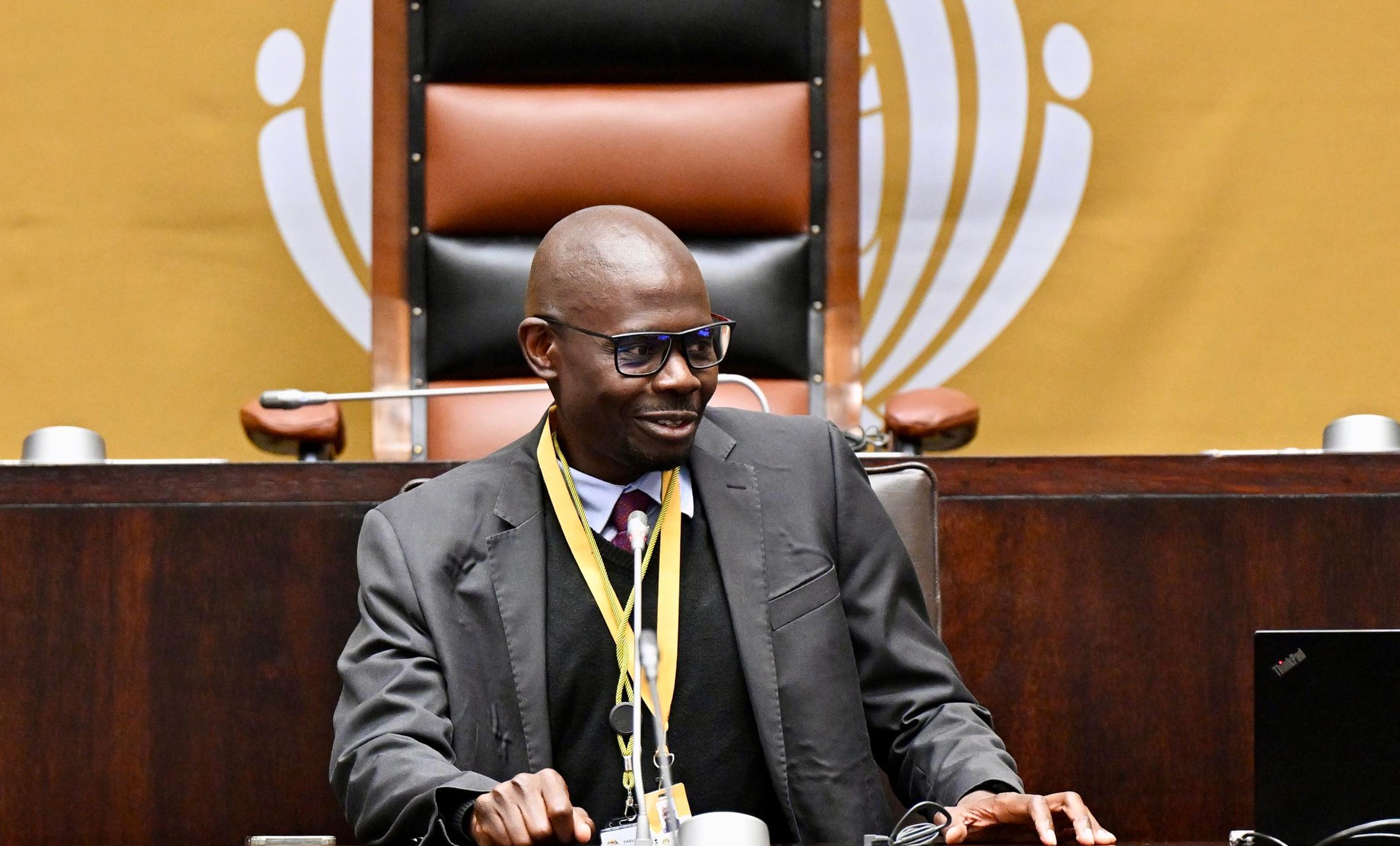
By 19 to nine, Wednesday’s vote supported the impeachment committee opposing the EFF’s challenge to its decision to rescind the choice of advocate Thandazani Madonsela as evidence leader. It means the committee, through its chairperson, will oppose the EFF urgent application to the Western Cape Division of the High Court, alongside a similar application from the African Legal Professionals Association.
On Wednesday, the fault lines in the impeachment committee – again – ran between the opposition progressive caucus and political parties participating in the Government of National Unity (GNU) coalition. Between them, the GNU parties, including the ANC, DA, IFP, Freedom Front Plus and Patriotic Alliance (PA), hold the numbers against the progressive caucus, including the MK Party, EFF, African Transformation Movement (ATM), often supported by ActionSA and Build One South Africa (Bosa).
In discussions before the vote, EFF MP Omphile Maotwe argued that the impeachment committee had taken a decision to recommend Madonsela, which was rescinded without new facts, but an objection from the executive. That put Parliament’s powers and decision-making at risk.
/file/attachments/orphans/Merten-EFF-impeachment2_127099.jpg "Treasurer-General, Omphile Maotwe at the official launch of the Economic Freedom Fighters (EFF) mass voter registration campaign at Winnie Madikizela Mandela House on March 21, 2026 in Johannesburg, South Africa. This is part of the party's nationwide programme to mobilise eligible voters and prepare communities for upcoming Local Government Elections. (Photo: Gallo Images / Sharon Seretlo)")
“When we change the decision… we are no longer a legislature; we are simply an extension of the Presidency,” she said.
ATM MP Vuyolwethu Zungula said taking decisions by majority in a committee did not protect it against irrationality – and reminded GNU coalition partners of their past objection to the ANC using its parliamentary majority.
“Now it is the GNU parties that are hell-bent on protecting a person who should be subject to an inquiry…”
/file/attachments/orphans/Merten-EFF-impeachment_399076.jpg "ATM leader Vuyolwethu Zungula after the 2025 State of the Nation Address (SONA) at Cape Town City Hall on February 06, 2025 in Cape Town, South Africa. The address is an annual event, in which the President of South Africa reports on the status of the nation, normally to the resumption of a joint sitting of Parliament (the National Assembly and the National Council of Provinces). (Photo: Gallo Images / Jeffrey Abrahams)")
ActionSA MP Athol Trollip re-emphasised the point about “GNU majoritarianism”.
DA parliamentary leader George Michalakis agreed to oppose the applications due to the potential broader impact on Parliament, given that the rules allowed committees to change their decisions.
“(A) judgment in favour of the applications would have serious impact on the powers of Parliament and committees… That will have a repercussion for parliamentary committees across the board.”
/file/attachments/orphans/Merten-EFF-impeachment6_325142.jpg "George Michalakis MP (DA Parliamentary Leader and DA NCOP Whip) announces next steps to restore accountability in Parliament at the NCOP steps on July 31, 2026 in Cape Town, South Africa. The briefing articulated the Democratic Alliance (DA) actions to ensure Parliament functions openly, transparently and in the public interest. (Photo: Gallo Images / Misha Jordaan)")
Freedom Front Plus MP Wouter Wessels agreed in the interest of “parliamentary procedure” as no rule prevented committees from changing their minds.
The ANC, like the PA, argued that the committee had acted rationally and fairly.
The vote in support of opposing the EFF and African Legal Professionals Association litigation effectively ended any discussion of choosing another evidence leader. Both seek to set aside the decision to rescind Madonsela’s appointment, and any other potential evidence leader’s appointment pending the outcome of this litigation.
Earlier, MK party parliamentary leader John Hlophe had cautioned: “As a matter of logic and robust common sense it would be futile to start any discussion of an evidence leader.”
Done and dusted
For the progressive caucus opposition, not finalising the evidence leader kept the door open for the choice of Madonsela. For the GNU partners, it offered another means to delay impeachment proceedings – and with this, a potentially difficult moment for President Cyril Ramaphosa to account in public on the theft of $580,000 from sofa cushions at his Phala Phala farm.
Irreparable reputational harm and humiliation were cited by the president’s advocates as one reason against hearings in Ramaphosa’s court review of the Section 89 panel report that found he had a case to answer in the Phala Phala saga. This was also part of the arguments of Ramaphosa’s successful interdict against public parliamentary impeachment hearings.
/file/attachments/orphans/Tumi-Lunga-CR7_393834.jpg "ANC President Cyril Ramaphosa engages with community members in Thembisa, Ekurhuleni, during the ANC’s election campaign trail, ahead of the 2026 Local Government Elections. (Photo: Reitumetse Pilane)
<br>")
Postponing a final decision on the evidence leader pending the finalisation of the litigation received support from the ANC, although its MP Xola Nqola emphasised that nothing stood in the way of the committee proceeding. At this stage, not choosing a new evidence leader was “the rational route to follow”, according to Michalakis.
Rise Mzansi MP and impeachment committee chairperson Makashule Gana could not resist a quip that Hlophe would now be happy that some things in the committee did not end up in a vote. In closing the point, Gana ruled: “I don’t want to put this to a vote, given emerging consensus.”
Ongoing tension
However, tension in the committee remains.
ANC MP Cameron Dugmore’s dig that “sometimes some honourable members want to respect an interdict and sometimes not. It reduces the credibility of some honourable members here” was a reference to the impeachment committee’s pledge to do all its work until the interdict against public hearings was issued.
The remark went unchallenged until ActionSA MP Lerato Ngobeni spoke to caution Dugmore from pronouncing on others’ credibility, saying: “We are here to participate as honourable members with our thinking caps on.”
Whether National Assembly Speaker Thoko Didiza, who is also named as a respondent in the EFF and African Legal Professionals Association litigation, will oppose or abide the litigation remains to be seen. Previously, she abided the court’s decision on Ramaphosa’s interdict and review applications.
The review judgment is pending. Given the contested nature of the impeachment, it is likely the losing side in the review will appeal. That would suspend the operation of the judgment and effectively continue the interdict against Parliament’s public impeachment hearings, stalling the process. DM
KioskNews shows a cleaned-up reading view extracted from the publisher’s page — the original always lives on their site, not ours.