Regulator caps charges for internet-based links between telecom networks, pushes for phasing out of older port technology
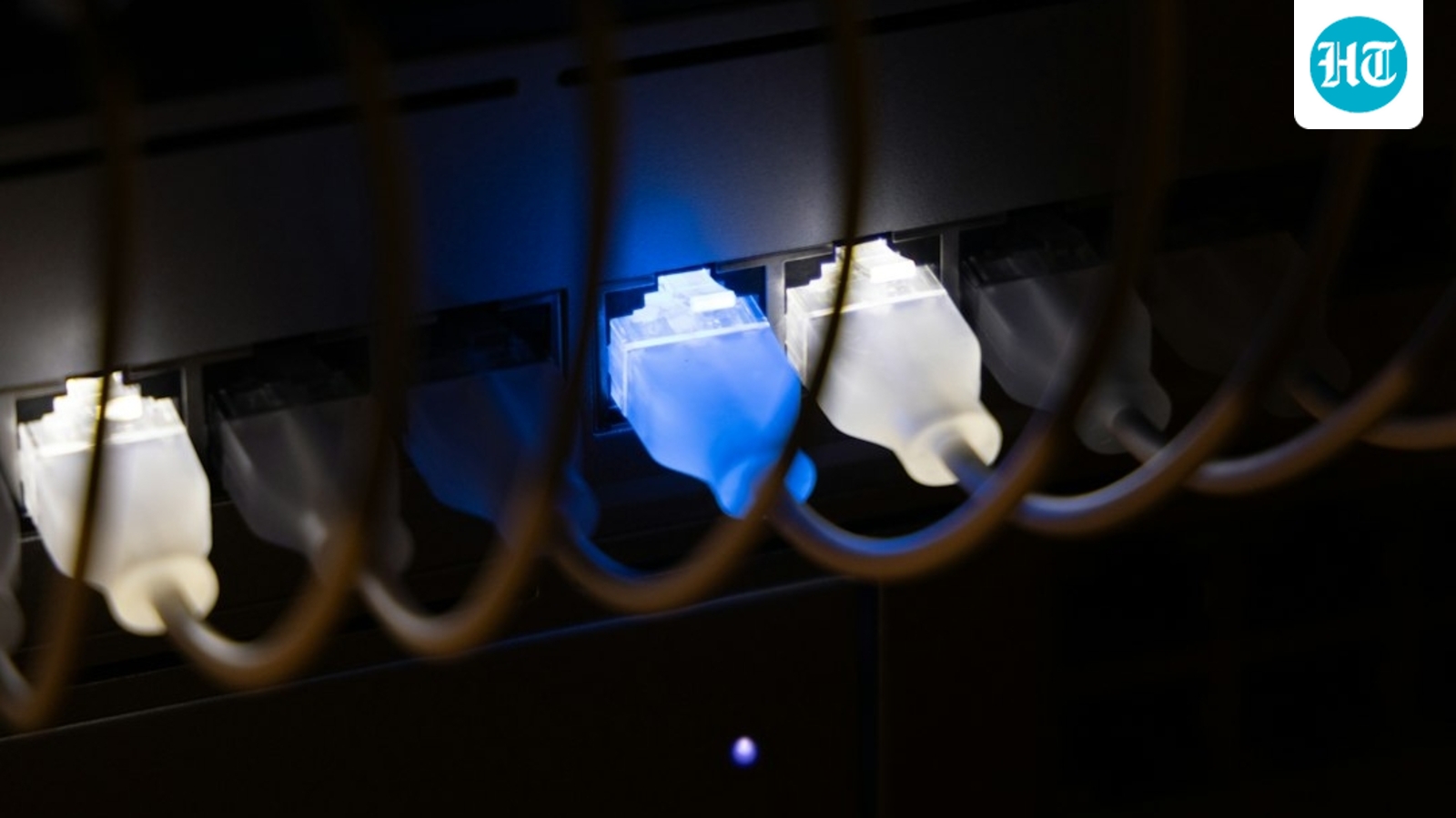
The Telecom Regulatory Authority of India (TRAI) on Monday capped the fees telecom companies can charge each other for internet-based (IP) connections between their networks.
It is the first time that the telecom regulator has made such a move. It is part of a wider push to retire the decades-old technology that operators still use to connect calls between networks.
Under the Telecommunication Interconnection (Port Charges) (Third Amendment) Regulations, 2026, an operator may charge no more than ₹5.6 lakh per year for a 1 Gbps IP port and ₹42.3 lakh per year for a 10 Gbps port.
A “port” is the point where two networks meet to exchange traffic. When a user on one network calls someone on another, the call passes through such a port. The operator providing the port charges the other for it.
The rules come into force on January 1, 2027.
Why the change
The rules on these charges were framed in 2001 and last revised in 2012, when networks ran on older E1/TDM circuit technology. Operators now carry 4G and 5G calls over IP networks within their own systems, but many still connect to one another via older E1 ports. TRAI said this mixed setup causes delays, lowers call quality between networks and raises costs.
The notification goes with a separate amendment, the Telecommunication Interconnection (Third Amendment) Regulations, 2026, which also takes effect on January 1. That amendment requires all new interconnections to be IP-based and existing E1 links to move to IP within three years.
Stakeholders also told the regulator that E1 equipment is outdated, hard to buy and difficult to maintain.
“...the stakeholders have indicated that TDM-based equipment has now become outdated, is no longer readily available in the market and has reached its end-of-life. There is difficulty in getting the OEMs' support as well as manpower required to manage this equipment,” said TRAI’s explanatory memorandum attached to the regulations.
Port redefined
The regulation redefines “port” to include IP ports, measured in Mbps or Gbps, as well as the legacy E1 port at 2.048 Mbps. The existing charges will now apply only to E1 ports. Operators can agree on lower prices between themselves. For port sizes other than 1 Gbps and 10 Gbps, the operator providing the port must work out the charge transparently, using the same method TRAI used.
The same rate will apply to all services, including mobile, fixed line, national long-distance, and international long-distance. Some stakeholders had sought different charges for different services. TRAI rejected this, saying an IP port carries all kinds of traffic in the same way.
The regulation also imposes penalties on operators that miss TRAI’s reporting deadlines. These are up to ₹25,000 per day for the first 15 days and up to ₹50,000 per day thereafter, capped at ₹15 lakh per service area for each violation.
Operators will get a hearing before any penalty is imposed, and TRAI can waive or reduce it. A penalty not paid within 21 days will attract interest at 2 percentage points above the State Bank of India’s one-year lending rate (MCLR).
KioskNews shows a cleaned-up reading view extracted from the publisher’s page — the original always lives on their site, not ours.