China's new tech, national security exit-entry rules take effect
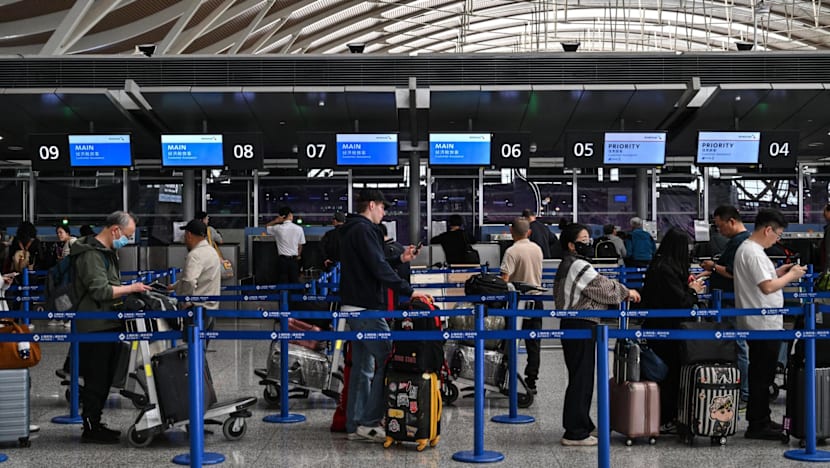
Foreign nationals may be denied entry to China for one to five years for false statements made in visa applications.
15 Sep 2026 03:45PM
BEIJING: China tightened travel curbs on Tuesday (Sep 15) as new exit-and-entry rules took effect, barring citizens deemed a potential threat to national technology security from leaving the country.
Chinese are generally free to travel, unlike during the height of the Cold War when few were able to venture overseas, but the government has long kept close watch on the travel plans of those it considers could present a security risk.
China unveiled the new rules in July, saying they targeted violations of export controls or technology import and export rules in a way that may endanger industrial or technological security.
They were formulated to "safeguard national sovereignty, security and development interests", the State Council said.
The rules provide for an exit ban ranging from six months to three years on citizens who return to China after committing illegal or criminal acts abroad that harm national security or interests.
Foreign nationals may also be denied entry for one to five years for false statements made in visa applications.

Curbs on personal foreign travel have long applied to senior government officials and state executives with access to confidential information.
In 2023, Reuters reported that Chinese civil servants and employees of state-linked enterprises were facing tighter limits on private travel abroad and scrutiny of foreign connections, as Beijing waged a campaign against foreign influence.
Foreign governments have also reported cases of citizens being denied permission to leave China, often due to security-related investigations.
Last month, Washington-designated Myanmar expert and US citizen Min Zin was detained after his arrest by Chinese authorities in June over accusations of endangering national security.
The US government has said the political analyst was taken into Chinese custody in Yunnan province and was held improperly.
China refuted the accusations in August, saying Min Zin was suspected of violating Chinese law.
KioskNews shows a cleaned-up reading view extracted from the publisher’s page — the original always lives on their site, not ours.