Spot an iPhone Duo deal promising 25pc off? It could be a scam
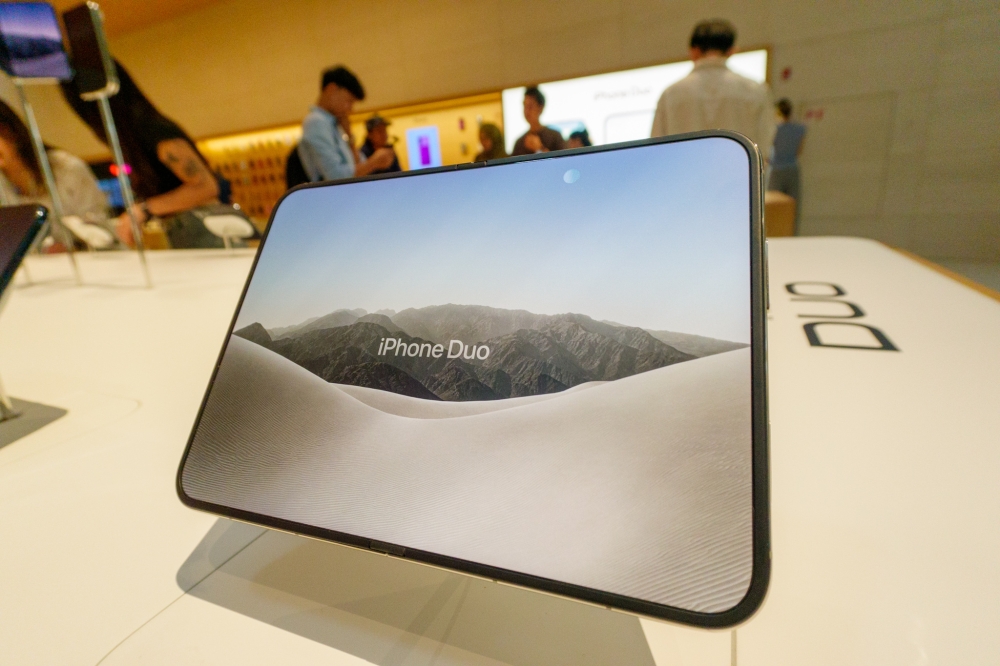

The new iPhone Duo on display at the Apple Store at The Exchange TRX in Kuala Lumpur on launch day October 23, 2026. Cybersecurity firm Kaspersky warns potential buyers to beware as many deals out there come with a catch. — Picture by Raymond Manuel
By Malay Mail
First Published: Monday, 26 Oct 2026 2:47 PM MYT
KUALA LUMPUR, Oct 26 — Scammers are using fake discounts, countdown timers and bogus preorder pages to trick buyers hoping to get their hands on Apple’s newly launched iPhone Duo, cybersecurity firm Kaspersky warned today.
The fraudulent websites mimic Apple’s visual style and promise discounts of up to 25 per cent, while some claim to offer early access to the foldable phone that officially went on sale on October 23.
“Scammers move fast when a flagship device hits the market, because hype creates urgency and urgency lowers caution,” Kaspersky senior web content analyst Olga Altukhova said.
She said the schemes were designed to appear credible before moving potential victims into private conversations, where they might be less likely to verify the seller’s identity or the legitimacy of the offer.
Kaspersky said its researchers had detected scam attempts targeting buyers in different parts of the world, with tactics ranging from collecting personal details through fake checkout pages to pushing potential victims into private messaging conversations.
According to Kaspersky, one English-language website had advertised a 25 per cent discount and displayed a countdown timer claiming the offer would expire in 30 minutes, pressuring visitors to act quickly.
The site asked customers to submit their contact details and delivery address but did not request payment information immediately, instead claiming that a manager would contact them later to confirm delivery and payment arrangements.
In another case targeting Portuguese-speaking users, a fraudulent website asked visitors for the phone number linked to their WhatsApp account and their email address to check the device’s availability.
Other fake sites offered multilingual interfaces, allowed users to select their preferred currency and promoted supposed preorders, with one claiming buyers would be redirected to Apple’s official website even though this did not happen.
Such tactics expose personal contact details and could leave victims vulnerable to follow-up scams and social engineering, in which fraudsters manipulate people into revealing sensitive information or taking actions that benefit the scammers.
Kaspersky advised consumers to buy new devices only from official or reputable retailers and check website addresses carefully before sharing personal information.
It also recommended using virtual cards or dedicated payment services for online purchases, enabling two-factor authentication on accounts and financial apps, and monitoring bank statements for unauthorised transactions.
Consumers should also be wary of unusually attractive discounts, unofficial preorder offers and requests to confirm product availability by sharing personal details, particularly when dealing with unfamiliar sellers.
KioskNews shows a cleaned-up reading view extracted from the publisher’s page — the original always lives on their site, not ours.