We have lost the art of the pop-in. I petition we revive it
On a recent trip I happened to be driving through the suburb where an old friend lives. It was an average Thursday, at about 4pm.
Mikayla welcomed her first baby this year and, still being on maternity leave, I figured she was likely home. Even if she wasn’t, I had nothing but a few minutes to lose. So I decided to pop in and see her.
The pop-in is an unplanned visit to someone’s house without notice. It’s reminiscent of the time before mobile phones, when you couldn’t ask if someone was home while you were already out and about. Instead, you’d rock up unannounced and try your luck.
Ask any twenty-something, or thirty-something for that matter, when was the last time they made such a detour and you’ll likely receive a blank stare. It’s a lost art but one in desperate need of a revival amid our current crisis of loneliness and social isolation. It won’t solve these things but it will help.
Take, for instance, how difficult it is to make plans with friends as adults. The internet is full of articles on how to schedule time with your mates like it’s a business meeting, and memes about how the only time the group chat is free is next year.
And they have a point: you grow up and quickly learn how fast life can get in the way. This year alone, Mikayla became a mother, and I moved to a different city. We’re proof that major transitions make finding time for each other much harder, even though we do desperately want to hang out.
“This is where the pop-in earns its keep,” explains Scout Smith-O’Leary, psychotherapist and founder of The Love Scout.
“When you’re in a big life transition, especially early parenthood, your world can shrink fast. A five-minute pop-in might be the only adult conversation someone has that day … It can be a lifeline.”
It’s only now that I realise how many of my childhood weekends involved my mum’s friends popping in with an apple-and-cinnamon cake from Baker’s Delight for an hour or so, and then everyone continuing on their day.
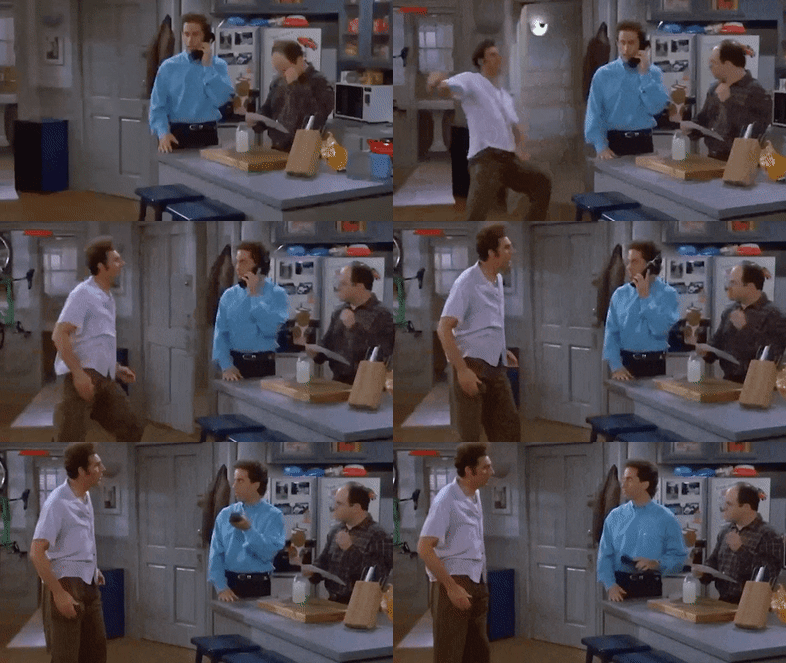
The sitcoms I grew up on, like Seinfeld and Friends, led me to believe that adulthood would involve my friends barrelling into my home any time.
Instead, I’m more likely to hide from an unexpected knock on the door or dread receiving a random phone call.
“Something changed between our parents’ generation and ours. We used to live in a world where a knock on the door was just … normal. Now it can genuinely shock us,” Smith-O’Leary says.
Part of this is down to a cultural change that prioritises aesthetics and social media put-togetherness. When we’re caught off guard we’re more likely to feel exposed.
However, Smith-O’Leary urges people push through this discomfort, explaining that texting or calling fails to match the positive effect of seeing people IRL.
“In-person contact activates things texting simply can’t: mirror neurons, co-regulation of our nervous systems, a hit of the neurotransmitters tied to bonding and calm,” she explains.
“It’s part of why a two-minute chat on someone’s doorstep can leave you feeling more grounded than a week of messages back and forth.”
It feels trite to mention how lonely everyone is but it’s true: social isolation is a real issue affecting about 15 per cent of Australians.
We need to be open to being uncomfortable in the name of friendship.
The pop-in is a low-stakes and time-efficient solve. The visit can last the length of a cuppa and you leave feeling you have achieved something: human connection.
I propose a quick “are you home?” text solves any potential anxiety of receiving an unannounced guest (a cake from Baker’s Delight certainly won’t hurt, either).
Sure, it’s not a traditional pop-in, but the much-needed 2026 update allows the visitee to quickly do a once-over of their place if they like, while also offering a right of reply.
Marina Pliatsikas, host of Are We Good?, a new podcast from Relationships Australia, says embracing the informal and spontaneous spirit of the pop-in could be the way to go.
“There’s an onus on all of us to check in with the people in our lives and create those low-pressure opportunities for connection,” Pliatsikas says.
When I visited Mikayla she was preparing dinner. In 45 minutes we caught up, discussed motherhood and moving, all while I perched on her kitchen bench and she flipped chicken. Of that day I don’t remember much else. Just the joy of seeing my friend.
Sure, some might find the pop-in a bit rude but that’s a small price to pay for the chance of genuine connection.
Half an hour after leaving Mikayla’s my phone lit up with a text: “Thanks for popping in!”
Make the most of your health, relationships, fitness and nutrition with our Live Well newsletter. Get it in your inbox every Monday.
KioskNews shows a cleaned-up reading view extracted from the publisher’s page — the original always lives on their site, not ours.