Malaysia’s oil-rich Sarawak heads to polls, forcing Anwar into yet another federal test

Malaysia’s oil-rich Sarawak state will dissolve its assembly on Monday in a test of political strength for a powerful regional coalition whose support has become crucial to Prime Minister Anwar Ibrahim’s government.
Anwar is facing growing pressure following electoral setbacks for his own coalition in Peninsular Malaysia, while over in Borneo, ruling Gabungan Parti Sarawak (GPS) continues to press for greater autonomy and control over the state’s vast oil and gas resources.
Sarawak Premier Abang Johari Openg announced on Friday that state governor Wan Junaidi Tuanku Jaafar had consented to dissolve the state assembly with effect from Monday, triggering an election that must be held within 60 days.
“As we approach the completion of this term, it is only appropriate that a new mandate from the people is obtained,” Abang Johari told a press conference in Kuching. “The people of Sarawak must have the opportunity to exercise their democratic right to choose and elect a new government with a fresh mandate to continue the development agenda of Sarawak.”
He said the state government would remain in office in a caretaker capacity until the election, with public services continuing as usual. The Election Commission will determine the nomination and polling dates.

GPS, which controls 80 of the 82 seats in the outgoing assembly, has governed Sarawak since 2018, when it broke away from the Barisan Nasional (BN) coalition following the latter’s historic defeat in the general election.
The coalition won 76 seats in the December 2021 state election before expanding its dominance through defections and political realignments. The opposition Democratic Action Party (DAP), a component of Anwar’s Pakatan Harapan (PH) coalition, holds the remaining two seats.
Sarawak first
The election carries significance beyond Sarawak, where GPS has emerged as one of Malaysia’s most influential political blocs despite remaining largely outside the partisan battles of Peninsular Malaysia.
Its parliamentary support helped Anwar form his government after the inconclusive 2022 general election, giving Sarawak considerable influence in federal politics and strengthening its hand in long-standing negotiations over the state’s rights.
Under the Malaysia Agreement 1963 (MA63) – which established the federation with Sabah, Sarawak and Singapore joining Malaya – the Borneo states were granted special safeguards and powers. Sarawak has increasingly sought to reclaim rights it argues have been eroded over the decades.
At the centre of those demands is control over the state’s lucrative petroleum industry, with Sarawak’s state-owned Petros pushing for a greater role alongside national energy giant Petronas.
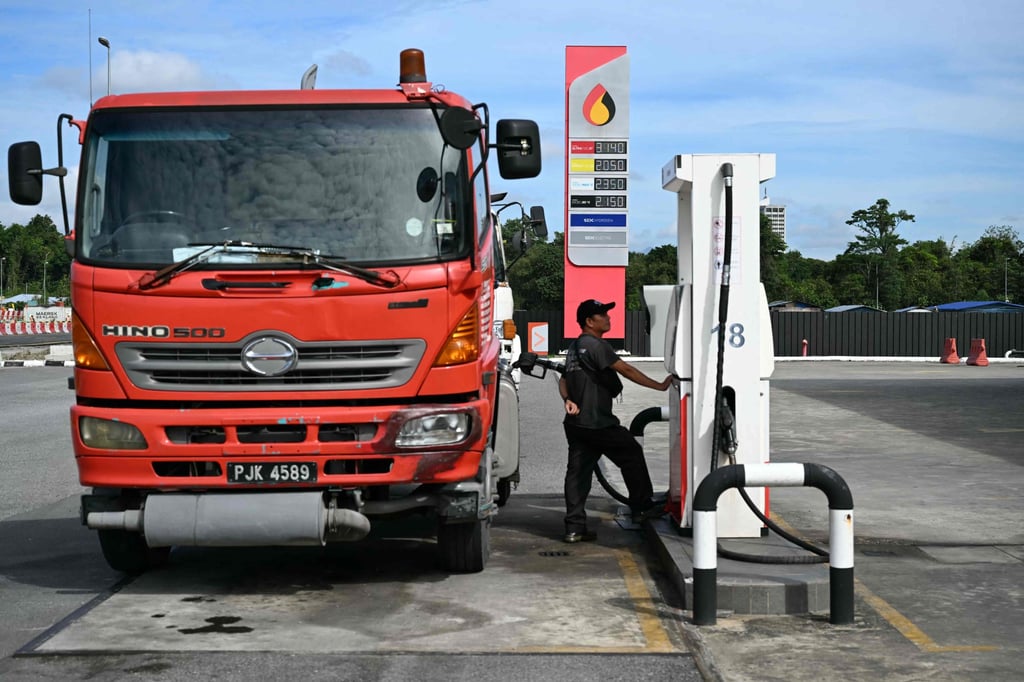
The dispute has become a sensitive issue for Anwar, whose government must balance Sarawak’s demands with the interests of Petronas, a major contributor to federal revenue. During Malaysia Day celebrations in Sarawak capital Kuching last month, Anwar called for commercial arrangements between the two companies to be finalised.
The federal government has also agreed in principle to increase parliamentary representation for Sabah and Sarawak – subject to further discussions and constitutional procedures.
A decisive victory would further strengthen GPS’ bargaining position, according to political analyst James Chin, pointing to the coalition’s increasingly secure grip on the state assembly.
“They’re very [confident] … Now they’re talking about losing just two or three,” the professor of Asian studies at the University of Tasmania said. “The stronger they are at the state level, the easier it is for them to negotiate at the federal level.”
Sarawak-born Chin said GPS preferred working with Anwar’s government for now, but its allegiance could shift depending on the outcome of the next general election.
“They don’t owe loyalties to any side. Whoever wins the vote in Peninsula Malaysia or cobbles together the coalition in Peninsula Malaysia, they’ll jump into the coalition,” he said. “Their No 1 priority is Sarawak. In other words, they must be part of any federal government in order to negotiate for MA63 and other concessions.”
Barriers to entry
Azmi Hassan, a political analyst at the Nusantara Academy for Strategic Research, said GPS had made a strong case to voters that Sarawak was better off governed by local parties, leaving little room for opposition parties from the mainland.
“The main theme of its campaign ... is that GPS has done very well in terms of not only managing their wealth, but also [forcing] the federal government into giving their rights, especially those in the MA63 agreement,” he said.
The bigger question, Azmi added, would be whether opposition parties, particularly Anwar’s ally DAP, could make any headway against GPS.
Malaysian politics is going through an unsettled period. Anwar’s PH coalition has lost ground in successive state contests even as its federal partners have consolidated their own positions.
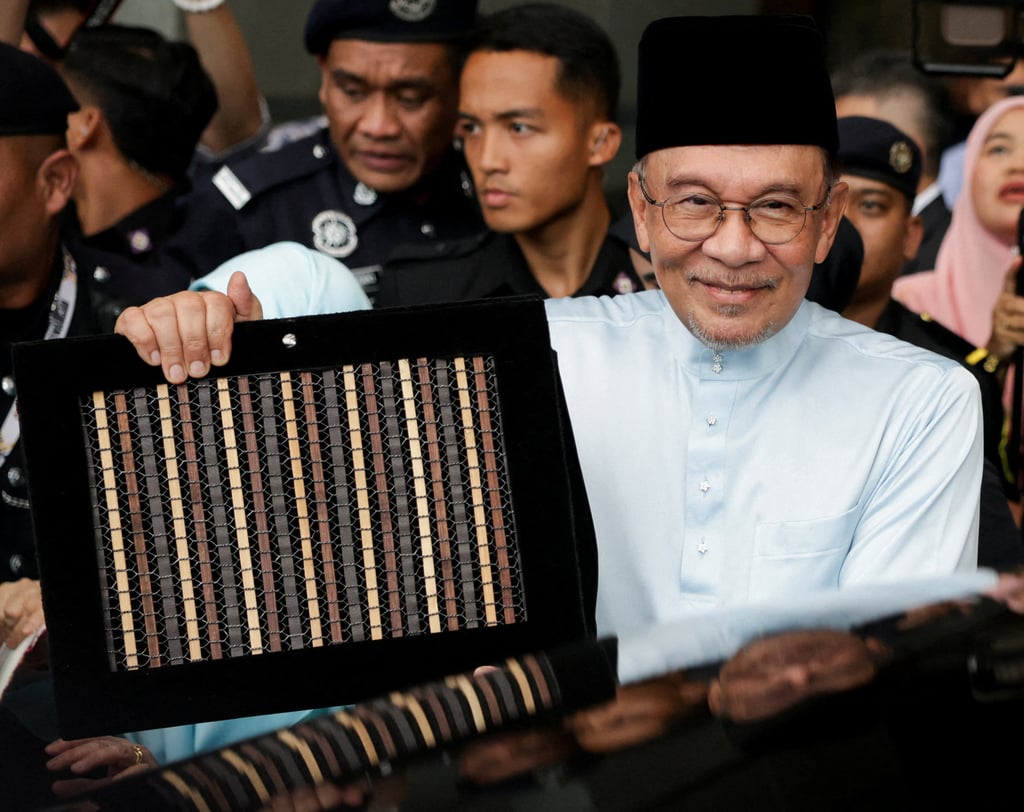
The setbacks followed last November’s election in neighbouring Sabah, where Anwar’s PH suffered a crushing defeat, winning just one of the 22 seats it contested, while the regional Gabungan Rakyat Sabah (GRS) coalition retained power under Chief Minister Hajiji Noor.
Anwar’s next political test comes on November 14, when Melaka heads to the polls. BN and the Islamist Pan-Malaysian Islamic Party have explored cooperation in the Peninsular Malaysian state despite belonging to rival political camps at the federal level.
KioskNews shows a cleaned-up reading view extracted from the publisher’s page — the original always lives on their site, not ours.