On hold, Delhi industrial agency’s plan to survey common land in 9 villages
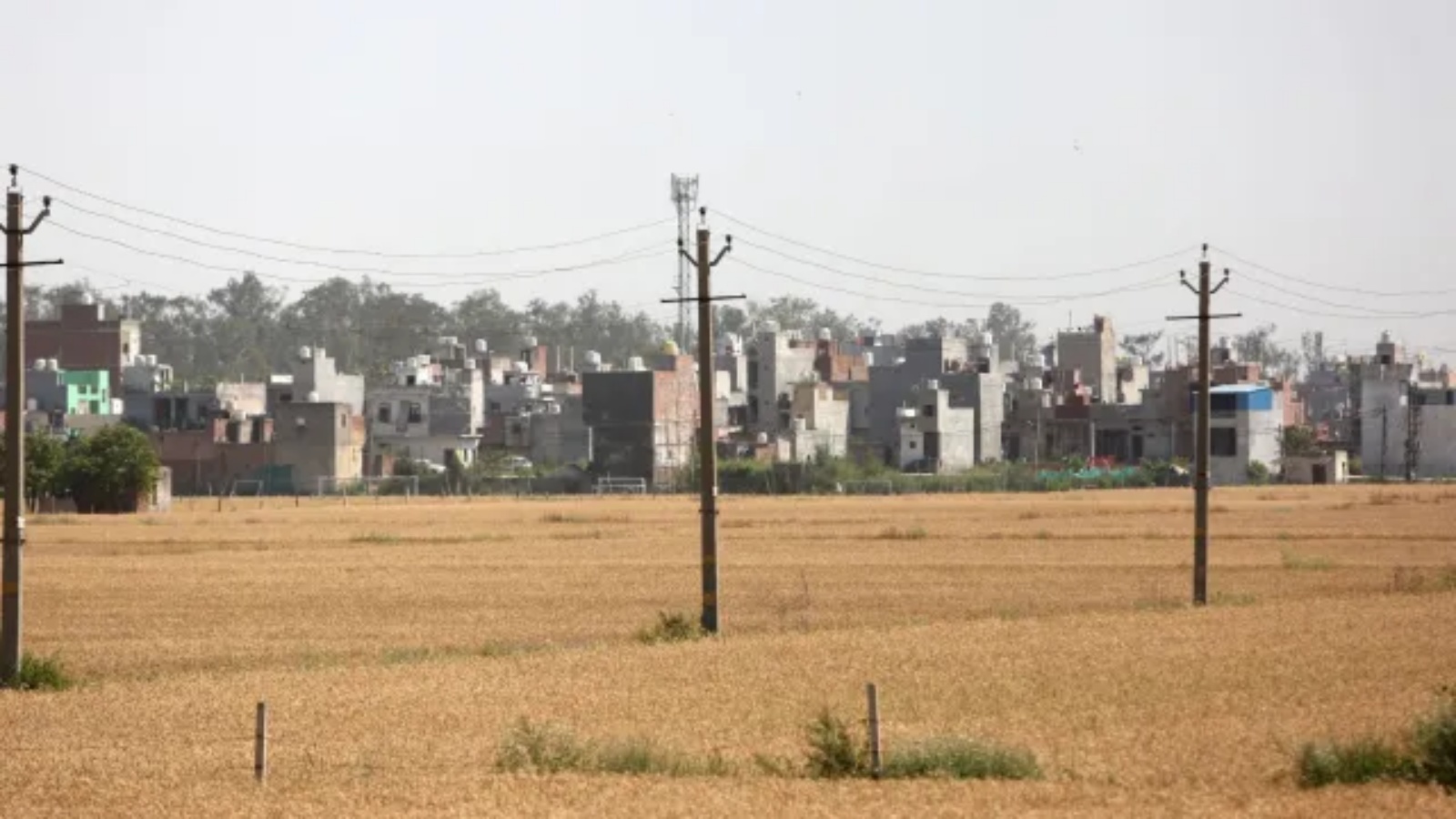
Village common land has traditionally served many purposes – ponds, grazing grounds, playgrounds and cremation grounds. It belongs to the village as a whole, not to any individual.
In nine Delhi villages, a plan to use such land has now been put on hold. The Delhi State Industrial and Infrastructure Development Corporation (DSIIDC), the Delhi government’s industrial development agency, had floated a tender to survey the land. Objectors said the land could go to industry, taking away spaces meant for villagers and harming the environment.
Industries Minister Manjinder Singh Sirsa, however, told The Indian Express that no industries could have been set up on the land, since land use is decided by the Master Plan. “It would have been used for village development, such as a women’s skill development centre or bee farming under the Delhi Khadi and Village Industries Board (DKVIB). These would be for villagers only, not for commercial purposes,” Sirsa claimed.
There is a catch too. Just eight days after DSIIDC cancelled the tender on October 15, all nine villages were declared urban by the Lieutenant Governor. This meant the land would vest with the Union government, not the Delhi government. Sirsa claimed this was land which had been allotted to the Industries Department, so it would not be vested with the Union government.
DSIIDC did not respond to queries sent by The Indian Express.
What was the plan?
On October 8, DSIIDC floated a tender to survey Gram Sabha land in nine villages – Badusarai, Galibpur, Jhatikra, Raghopur, Rawata and Dhansa in South West Delhi, and Auchandi, Nizampur Rasidpur and Tajpur Kalan in Outer North Delhi.
According to the tender, the land was “to be taken over by DSIIDC from the Industries Department”. The seven-day survey, to map the land and its boundaries, was estimated to cost Rs 2.25 lakh. Bids were due on October 15.
Sirsa said the land had been allotted to the Industries Department by the Delhi government.
Contention
On October 14, researcher Paras Tyagi, who heads the think tank Centre for Youth, Culture, Law and Environment (CYCLE), wrote to Chief Minister Rekha Gupta and the Chief Secretary, asking them to cancel the tender.
Tyagi called village common land the “life-support system of Delhi’s rural pockets”. Converting it into “industrial enclosures destroys local commons, accelerates environmental degradation, and undermines statutory commitments to rural welfare”, his letter warned.
It added that the Delhi Land Reforms Act, 1954, protects such land for the “collective benefit, welfare, and livelihood of rural inhabitants and ecological preservation”. Tyagi asked the government to use the land to revive water bodies and for village welfare.
What does the law say?
The letter cited a 2011 Supreme Court judgment on a village pond in Patiala that had been filled with earth and built over.
In Jagpal Singh vs State of Punjab, the court said such land, used “for centuries” for the “common benefit of the villagers”, was “generally treated as inalienable” – it could not be sold or given away. It called government orders allotting Gram Sabha land to private persons and commercial enterprises “illegal”, and directed every state to draw up a scheme to remove encroachers and return such land to villages.
What happened next?
On October 15, a day after Tyagi’s letter, DSIIDC cancelled the tender, citing “administrative/technical reasons”, without explaining further.
Sirsa said the tender was cancelled because the department decided to first find out the status of the land from the district magistrate.
On October 23, then Lieutenant Governor Taranjit Singh Sandhu notified 48 Delhi villages as urban, including all nine covered by the tender. The Municipal Corporation of Delhi had begun the process about seven months earlier.
Who controls the land now?
Under Section 150 of the Delhi Land Reforms Act, when a village is declared urban, its Gaon Sabha – the village body that holds common land – is dissolved, and its property passes to the Central government. In Delhi, such land is managed by the Delhi Development Authority (DDA).
Sirsa, however, said that land which has been allotted by the Delhi government to specific departments does not go to the central government.
KioskNews shows a cleaned-up reading view extracted from the publisher’s page — the original always lives on their site, not ours.