ADHD and autism PIP claims soaring among teens in richest areas of the UK

England’s most affluent areas have recorded the fastest increase in young people receiving disability benefits for ADHD and autism, according to a new analysis.
The Nuffield Trust found that the proportion of 16 and 17-year-olds claiming Personal Independence Payment (Pip) for these conditions more than tripled in the least-deprived fifth of neighbourhoods over a six-year period.
The health think tank, which evaluated regions by educational and employment outcomes, reported that the figure rose from 0.8 per cent in 2019 to 2.5 per cent in 2025.
Although the rate of teenagers on Pip for autism and ADHD remains highest in less affluent areas, the analysis showed it expanded at a slower pace, moving from 2.1 per cent in 2019 to 5.1 per cent last year.
Pip is the main benefit provided to individuals with long-term physical or mental health conditions, intended to assist with everyday tasks and additional living costs.

The think tank said Pip recipient rates for ADHD and autism for people of white ethnicity were higher overall than those of other ethnicities.
Sally Gainsbury, senior policy analyst at the Nuffield Trust, said the research, when incorporating data on ethnicity from the 2021 census, found that “areas where there is a relatively high proportion of white people have a higher proportion of people receiving Pip for these disabilities”.
She added that it appears there is “an association between being white and relatively prosperous with faster growing levels of Pip for ADHD and autism”.
The think tank report said: “This association goes some way to explaining why, at local authority level, we saw much lower-than-expected levels of ADHD and autism Pip rates in areas such as Newham, Brent, Leicester, Bradford and Wolverhampton, as these areas have relatively low proportions of the population who identify as having a white ethnicity.”
Overall Pip rates for 16 and 17-year-olds with autism and ADHD across England have risen from 16,045 (accounting for 1.3% of people in that age group) in 2019 to 51,148 (3.4%) in 2025.
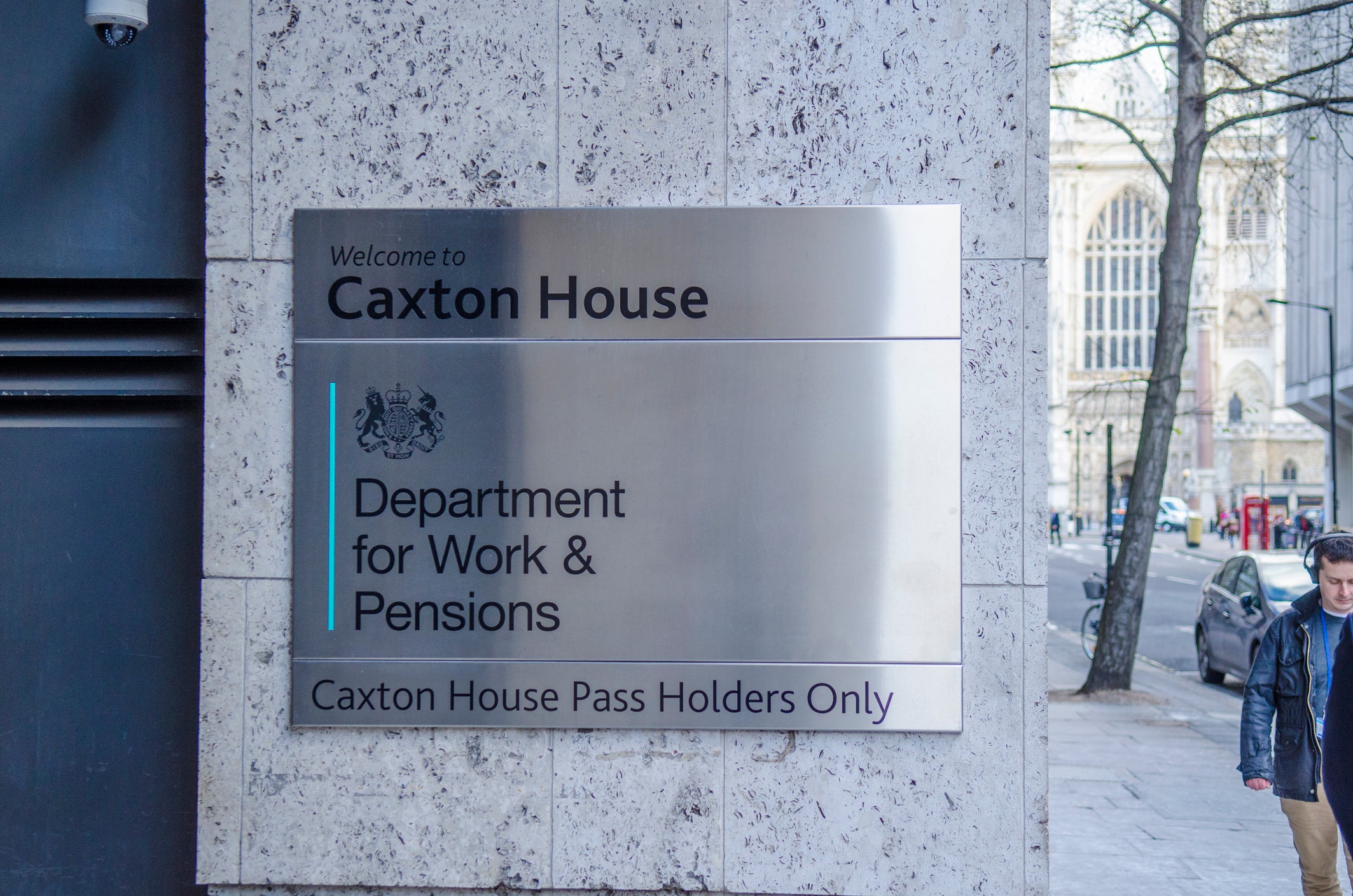
Spending on Pip for people in that age bracket with autism and ADHD in 2025 was estimated at £296 million.
Of this, around £87 million was paid to young people living in the 40% least-deprived neighbourhoods, which the think tank said was almost four times higher in real terms than the £22 million spend in 2019 (in 2025/26 prices).
Some areas, described as “relatively affluent” by the Nuffield Trust, saw large rises in the proportions of young people on Pip for ADHD and autism compared to pre-pandemic.
Runnymede, in Surrey, went from one in 58 in 2019 to one in 19 in 2025 while Bracknell Forest in Berkshire saw its rate climb from one in 89 to one in 20.
Meanwhile in some of the most deprived areas, such as Liverpool and Knowsley, recipient rates among 16 to 17-year-olds sat at around one in 12 in 2025, up from about one in 35 and one in 57 respectively in 2019.
Ms Gainsbury added: “Pip is meant to reflect how much a condition affects someone’s day-to-day life, rather than purely whether they have a diagnosis, so it’s intriguing to see that recipient rates have grown most in the areas where people seem to be doing relatively well in terms of employment and education.
“Our findings could reflect unequal access to diagnosis, which we know is substantial.

“But they could also point to inconsistencies and uncertainties, both in the welfare system and in wider society, about how disability is understood and assessed when it comes to autism and ADHD.
“This confusion has serious implications for the health system too. Demand for diagnosis and treatment has risen dramatically, and services are struggling to keep pace. Overwhelmed systems risk missing people with the most pressing need.”
Nuffield Trust chief executive Thea Stein said: “As diagnosis and recognition of neurodiversity continue to grow, policymakers will need to grapple with the complex picture identified in this report to ensure support is targeted fairly and effectively.
“That will involve identifying where needs are best supported through the healthcare and benefit system, and where it would be more appropriate to support people through broader changes to work, schools and wider society, to better reflect, respect and value human diversity.”
A Government-commissioned review into ADHD, autism and mental health is expected to be published imminently.
KioskNews shows a cleaned-up reading view extracted from the publisher’s page — the original always lives on their site, not ours.