Chhattisgarh village council resolution bars land for Christian burials, prayer meets
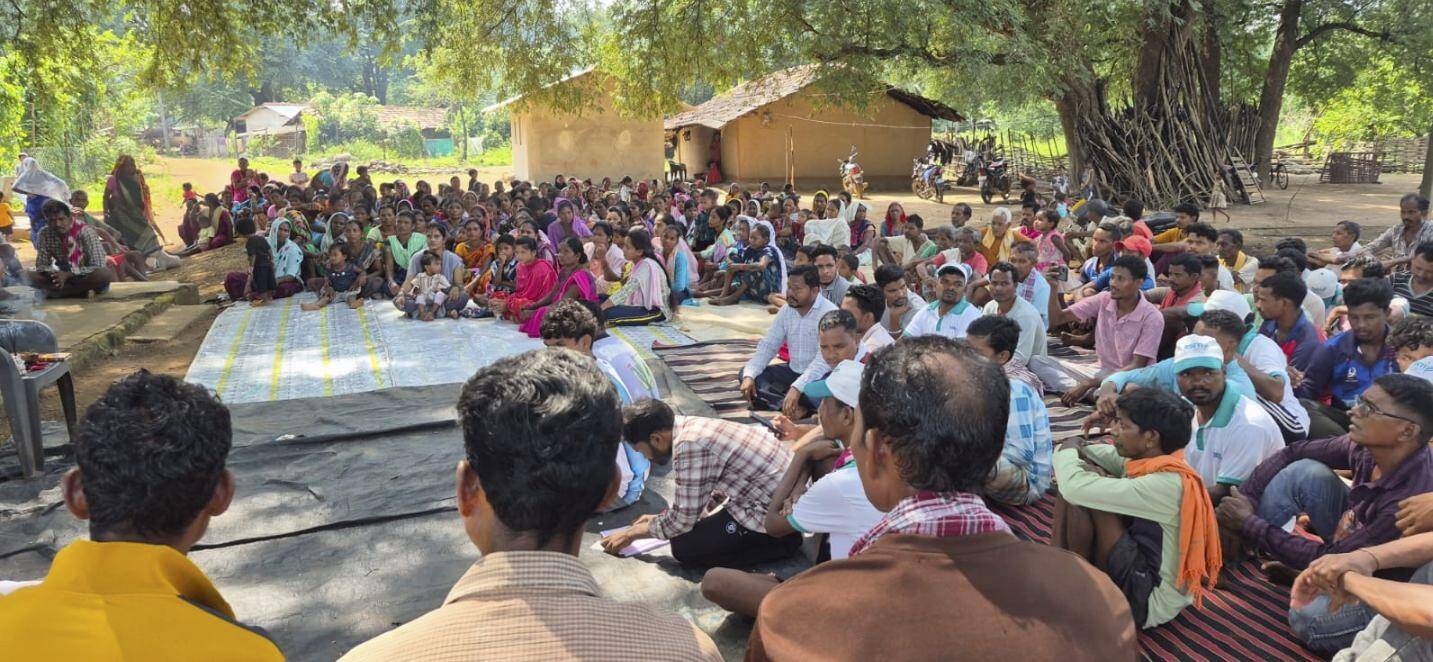
The council also resolved to put up a public notice barring pastors and Christian preachers from entering the village for ‘conversion’ or religious activity
Raipur: A special village council or gram sabha, convened at Punpalli village of Chhattisgarh’s Sukma district, passed a resolution to forbid any land it holds from being made available to Christians or converts from building churches, holding prayer meetings, burials or ‘healing’ gatherings.The council also resolved to put up a public notice barring pastors and Christian preachers from entering the village for ‘conversion’ or religious activity.The resolution, passed as decision number 6 of the special Gram Sabha, cites Article 244(1) of the Constitution, the fifth schedule, the Provisions of the Panchayats (Extension to Scheduled Areas) Act, 1996, and Chhattisgarh’s PESA framework to justify the move, confirmed Madkam Bhima, a Janpad member.The notice, already erected at the entrance to the village, states not ‘an inch’ of Gram Sabha land would be given for burials of Christians or converts, churches, prayer meetings or faith healing sessions. It adds that pastors, priests and Christian preachers would not be allowed to enter Punpalli for conversion, prayer meetings or related religious activity.Bhima said the gram sabha adopted the resolution in keeping with the village’s traditional way of life, social unity and community interests, adding that any dispute should be dealt with through legal and constitutional processes.
The development is especially significant as Punpalli lies in a Scheduled Area, where PESA vests gram sabhas substantial powers to safeguard tribal traditions, customs, cultural identity, community resources and customary methods of dispute resolution. The central PESA Act explicitly recognises those powers.However, the legislation, while safeguarding tribal customs and identities, does not expressly state that a gram sabha can exclude people from community land solely on the basis of their faith, thereby making the scope and legal enforceability of the Punpalli resolution a contentious subject.The issue acquires particular sensitivity for Bastar, where disputes over conversion, burial rights and the religious identity of tribal communities have repeatedly triggered confrontations.In January 2025, the Supreme Court had to intervene in a Chhattisgarh burial dispute, after a Christian tribal family from Bastar claimed to have been prevented from burying a deceased family member in the village. The case brought to the fore the underlying tension and conflict between local customary claims, burial practices and constitutional rights.The Punpalli council said its decision was aimed at protecting the village’s cultural identity, traditional practices and social heritage. The resolution was displayed prominently on a notice board so that not just locals but also visitors are aware of it.Among those present at the gram sabha were sarpanch Sonmati Madvi, council president Barse Soma, deputy sarpanch Muchaki Nanda, village Patel (headman) Barse Pandu and other traditional and elected representatives.Officials said the administration would examine the resolution and the notice put up in Punpalli to determine whether the decisions are in keeping with the powers vested in the council under PESA and other applicable laws.However, they did acknowledge that gram sabhas in Scheduled Areas have an important role in protecting customary practices, traditions and community resources.“The contents of the resolution and the circumstances in which it was passed will be looked into. If any provision is found to be inconsistent with law or beyond the jurisdiction of the gram sabha, appropriate action will be taken as per procedure,” an official told TOI.
KioskNews shows a cleaned-up reading view extracted from the publisher’s page — the original always lives on their site, not ours.