SBI to pay Kerala couple Rs 1.35 lakh after ‘fake KYC’ update leads to illegal debit
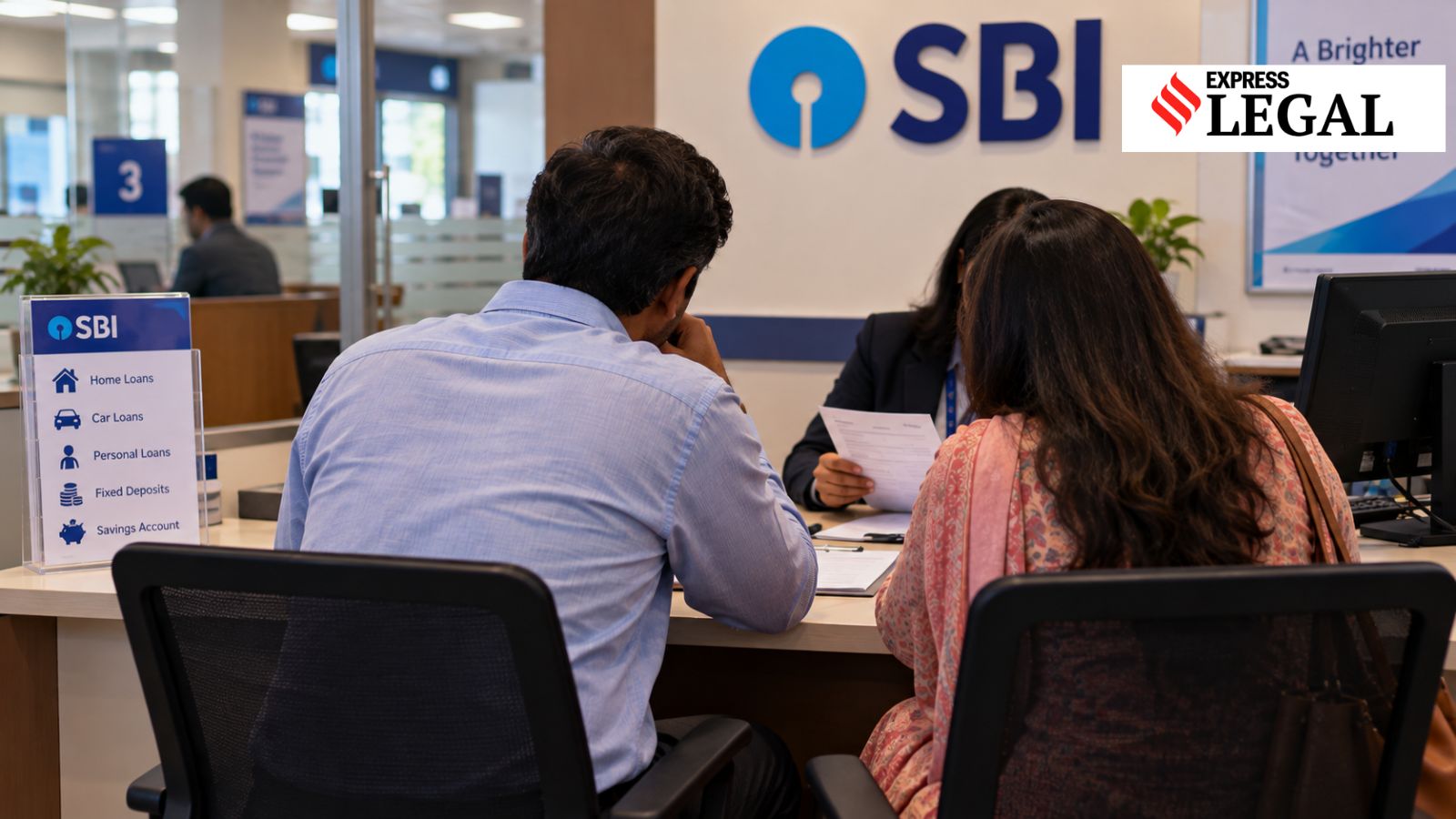
A Kerala consumer commission has directed the State Bank of India to pay about Rs 1.35 lakh to a couple after deficiency in service over unauthorised fixed deposit transactions linked to a fake KYC update link. The man claimed that around Rs 3.24 lakh was debited from his fixed deposit account while he was entering his KYC details in 2023.
The commission found that the bank had already refunded Rs 2.24 lakh but retained Rs 99,874, which it ordered to be returned along with compensation.
President George Baby, along with member Nishad Thankappan of the Pathanamthitta District Consumer Disputes Redressal Commission, was hearing the complaint filed by the couple on September 30.
“The opposite party (SBI) must establish through its system or audit records and other evidence that the complainant himself disclosed the credentials and thereby contributed to the fraud. In the absence of such proof, the complainants cannot be saddled with the balance loss of Rs 99,874,” the commission said.
Amount debited in 4 instalments
The couple claimed that they were maintaining a savings bank account with SBI and on October 28, the husband deposited Rs 10 lakh with the bank in their fixed deposit (FD) account. The couple added that the deposit was for three months. The husband claimed that he is also using an SBI credit card, and when he tried to pay the credit card dues through the bank’s application on January 7, 2023, the same failed.
According to the husband, he later received a message with the effect that his account was blocked and to update KYC. He allegedly tried to update his KYC through the said bank app and furnished the details, but immediately an amount of Rs 3.28 lakh was withdrawn from his FD account by way of four instalments.
The husband claimed that he immediately informed the bank about this unauthorised deduction from his FD account. The bank later refunded Rs 2.23 lakh following a decision by its internal Banking Ombudsman. However, it did not return the remaining Rs 99,874.
Story continues below this ad
Aggrieved, he moved the commission alleging that if the bank was vigilant, nobody could have withdrawn the amount from the fixed deposit. He also argued that the bank’s act caused financial loss and other distress. The couple was represented by advocate R Gopikrishnan before the commission.
Bank’s defence
The bank, through advocate V O Robinson, submitted that it does not ask any of its customers to update their KYC through the app. It was added that the husband furnished his bank account details to some other entity wilfully, which resulted in an unauthorised transaction from the account.
The lawyer added that the husband received a message containing a fake link and followed the instructions and furnished the OTP in the said link. This resulted in the fraudster gaining access to his payment credentials, resulting in the said amount deduction. It was added that the disputed transactions could not have been completed without sharing the OTP.
‘No evidence’
The commission found that the disputed transactions were unauthorised electronic banking transactions and the husband promptly reported the fraud to the bank.
Story continues below this ad
However, the commission found that the bank “absolutely failed” to produce any evidence to substantiate that the husband gave authorisation. “Even though the opposite party (bank) raised the contention that PW1 (husband) himself shared his credentials with fraudsters, the opposite party failed to produce evidence to substantiate that contention,” it added.
Accordingly, the commission directed the bank to pay Rs 99,874 to the couple within 45 days, along with an amount of Rs 25,000 as compensation for their mental agony and distress. The court also directed the bank to pay Rs 10,000 as litigation costs.
Takeaway
This ruling highlights that a bank cannot avoid responsibility for unauthorised transactions merely by claiming that a customer shared their credentials. It must support that claim with evidence from its system or audit records.
For consumer-related grievances, individuals may contact the consumer helpline in their respective states and union territories (Kerala: 1800-425-1550) or call the National Consumer Helpline on 1915 for assistance.
Story continues below this ad
Don’t miss out on these stories:
Bank of Baroda fined Rs 2 lakh for hiding interest-saving scheme from Army officer
College withholds security money over lost receipt, MBBS student wins Rs 2.40 lakh
Drain near senior citizen’s home remains clogged despite complaints, he wins Rs 15,000
KioskNews shows a cleaned-up reading view extracted from the publisher’s page — the original always lives on their site, not ours.