100 chess GMs for India but for most, real test of wits begins after the title
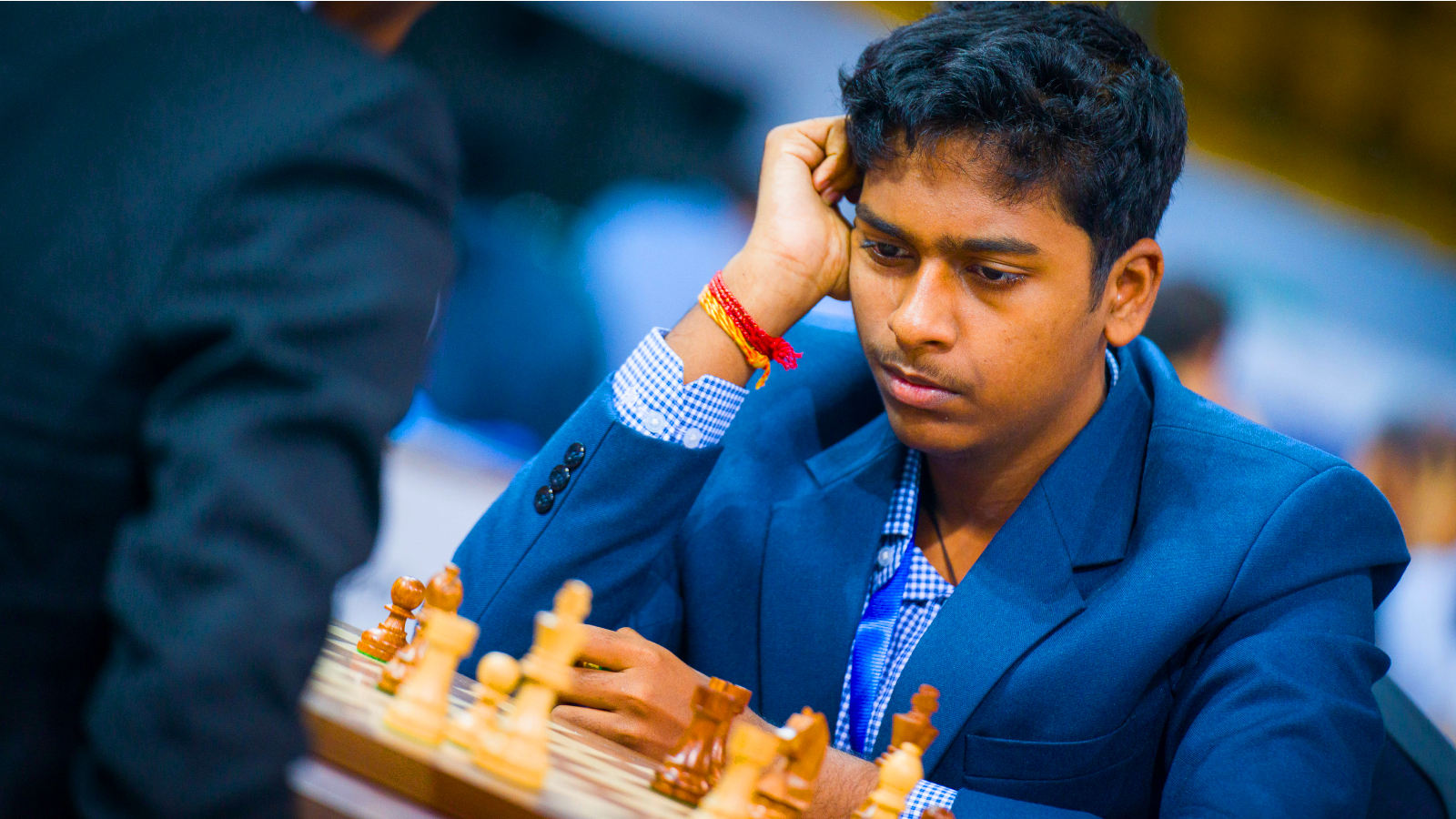
On Sunday, India crossed an enviable milestone in chess: 38 years after Viswanathan Anand became India’s first grandmaster, the nation now has 100 GMs. Ashok Shrivatri, the 22-year-old from Madhya Pradesh, will go down in chess history as the one to take India’s GM count to triple figures.
There are many more in the frantic race to become the next GM, the sport’s most prestigious honorific prefix and the top official title offered by FIDE. But unlike other life paths, such as pursuing an educational degree and a cushy job, becoming a grandmaster comes with no guarantees.
The “super grandmasters”, who have crossed an Elo rating of 2,700, are usually invited to elite tournaments like Norway Chess, Tata Steel in Wijk aan Zee and Prague Masters — and India currently has five of them: R Praggnanandhaa, Arjun Erigaisi, D Gukesh, Nihal Sarin and Anand. But for most of the rest, just travelling to the next tier of tournaments, even if they get an invite, can burn a hole in the pocket.
“Becoming a grandmaster by itself does not lead to your life changing drastically. I became a grandmaster a few months ago, and not much has changed. Sponsors aren’t knocking on my doors. And I have not received any invitation from prestigious tournaments,” said a young grandmaster who did not wish to be named.
Chennai-based Ilamparthi A R became India’s 90th grandmaster in October 2025 at the age of 16. Ilamparthi points out that being a grandmaster does make it slightly cheaper to play in chess events, but he has had to spend his own money to cover most of the expenses.
“While life hasn’t changed much for me since becoming GM, the only thing that has changed is that in tournaments organisers will give you ‘conditions’,” says Ilamparthi, who trains at the Chess Thulir academy in Chennai with grandmaster Shyam Sundar Mohanraj. What Ilamparthi means is that organisers usually foot the bill for accommodation, and sometimes full board and lodging, but the flight costs are still borne by the grandmasters.
There are exceptions to this as well. At an event like Sharjah Masters, even grandmasters have to pay entry fees that can go up to $100, besides all other costs. There are other events in Europe where no “conditions” are offered by organisers because the prize money on offer is high. At the moment, having become a GM, the only invitation that Ilamparthi has received is to play in leagues, like in Turkey.
Story continues below this ad
Kanyakumari’s Aswath S was India’s 98th grandmaster, earning the title in July at the age of 17. Aswath, who also trains at Chess Thulir, said that becoming a grandmaster is usually the start of another race: to get to a rating threshold of 2,600 and then to 2,700.
Four years ago, Pranav V became the 75th grandmaster of India. He has since been playing in league after league, trying to raise his rating. While becoming a GM reduced the financial burden of playing in tournaments, his costs have gone up in other areas, like hiring superior coaches and trainers, who have steeper rates.
“And after you cross 2600 rating, the training gets even more expensive. Then, once you get past the 2700-mark, you will start hiring other people for your team, like seconds,” he says.
Akash Ganesan was India’s 66th grandmaster, getting there in 2020 at the age of 23 after taking a mini-break of four years from chess to focus on his academics and become an engineer. He has a different, less cynical perspective than many of the recent grandmasters.
Story continues below this ad
“There is a lot of recognition you get from being a grandmaster. The way people look at you is very different from when you are an international master. Back in 2014, becoming a grandmaster was a very big deal. We had comparatively fewer grandmasters and the sport was getting bigger,” he says.
Transitioning into coaching
Akash is one of those grandmasters who leveraged his title to transition into coaching — a lucrative side hustle because they can command steep hourly fees. Akash currently runs a chess academy called Madras School of Chess, in partnership with Vishnu Prasanna.
To chase the dream of becoming a grandmaster, players have given up other parts of their life to focus full-time on the battlefield of 64 squares. Some families have even sold their property, like that of GM Aronyak Ghosh. Many parents have quit regular jobs to become full-time chaperones to their young children travelling around the world chasing grandmaster norms.
So when life does not change all that much after becoming a grandmaster, and there are barely any sponsors or elite tournament invitations knocking on your door, why are thousands of players desperately chasing the title?
Story continues below this ad
International Master Deboushnik De, who is among those thousands, laughs and counters with a question of his own. “I understand the question: what after becoming a grandmaster? But you could ask the same question to Gukesh, too: what after becoming world champion? Being a grandmaster is never the final destination; it’s just one significant step in a chess career,” he says.
KioskNews shows a cleaned-up reading view extracted from the publisher’s page — the original always lives on their site, not ours.