Uncharitable View: Trust Deficit
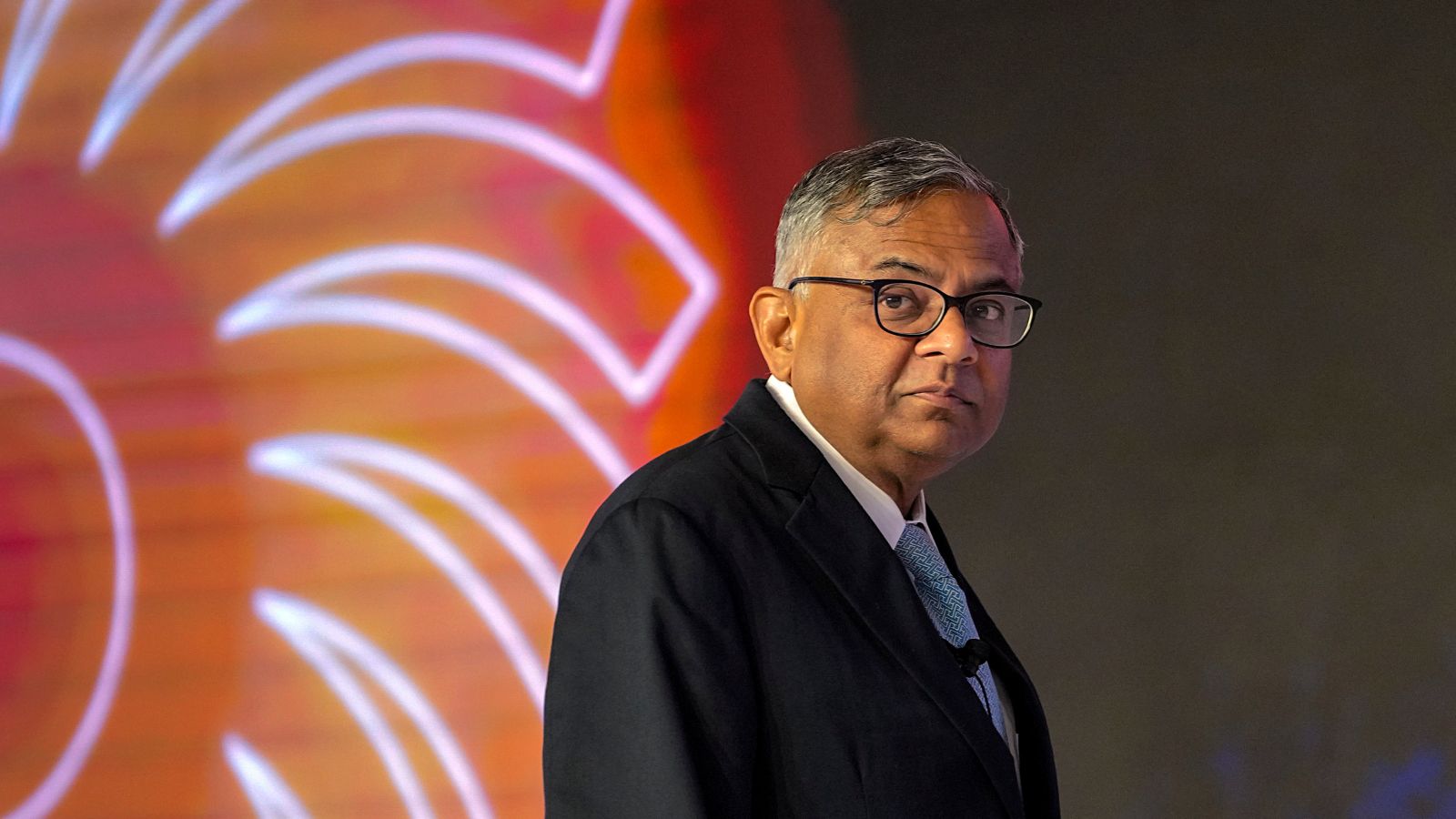
The complaints against the RTT of alleged misgovernance are vague, and the trust has reportedly not received specifics of the alleged lapses.
The AGM is crucial to determine whether the Tata Sons board’s resolution to renominate N Chandrasekaran as chairperson of the group will be ratified by the two principal shareholders, the Tata charitable trusts.
AI Narration
5 min readNov 29, 2026 09:27 AM IST First published on: Nov 29, 2026 at 09:27 AM IST
An intriguing question in the headline-grabbing confrontation over whether N Chandrasekaran continues as executive chairperson of the more than 150-year-old Tata Sons group for a third term is the role of the office of the Maharashtra charity commissioner. Uncertainty clouds the future of the business house with a market capitalisation of more than Rs 24 lakh crore and some 1.16 million employees, as the charity commissioner’s office is dragging its feet on permitting the Sir Ratan Tata Trust (RTT), which holds 23.56 per cent of the Tata Sons shares, to call a board meeting. It has deferred all RTT board meetings until it first investigates complaints filed by disgruntled parties. The Tata Sons Annual General Meeting (AGM), originally scheduled in August, had to be adjourned perforce for the first time in the group’s history due to a lack of quorum, in the face of the restrictions on the RTT. The AGM is crucial to determine whether the Tata Sons board’s resolution to renominate N Chandrasekaran as chairperson of the group will be ratified by the two principal shareholders, the Tata charitable trusts.
The complaints against the RTT of alleged misgovernance are vague, and the trust has reportedly not received specifics of the alleged lapses. The most concrete objection — played up in a section of the media — is that under the Maharashtra Public Trusts Act, 1950, which was amended last year, only one-fourth of the trustees can be permanent. The RTT has three life trustees: Jimmy Tata, Jehangir HC Jehangir and Noel Tata. The implication, as seen in some quarters, is that Jimmy, late Ratan Tata’s reclusive 86-year-old brother and the oldest permanent trustee, could be the only one permitted to retain his trusteeship. The new rule, the state government’s law department recently clarified, applies only to fresh trustee appointments, and not retrospectively. The clarification was necessary after hundreds of charitable trusts protested that they were in a quandary, considering most of their trustees were lifetime appointees.
Significantly, the charity commissioner’s judicial powers were expanded last year after the state legislature amended the public trusts Act. Apprehensions in some quarters that his office could attempt to influence the Tata boardroom battle are there, perhaps because parallels are sometimes drawn with how the managing committee of the over 200-year-old Mumbai Asiatic Society underwent a dramatic transformation under the stewardship of an assistant charity commissioner, deputed to take charge of the society temporarily. The ex-members of the managing committee that ran the historic town hall library were largely academics and scholars. In the new committee, many, who were elected in polls after two deferred ones, have RSS links, and some have scant previous association with the library. While the Bombay High Court has largely upheld the charity commissioner’s actions, including the election delays, the case illustrates how the regulatory body’s new, increased powers could impact a charitable organisation. For instance, the charity commissioner, after summoning the previous office-bearers of the Asiatic Society for over a dozen meetings, had waited for over a year before concluding that the 2023 election was illegal due to a technicality.
Under the Indian Companies Act, an AGM is a statutory requirement, and the Tata AGM must be held by the end of 2026. Most assume that Noel Tata, chairperson of both trusts, is backed by the majority of the trustees, so it is intriguing how the pro-Chandrasekaran camp plans to circumvent this obvious hurdle. But a cautious, much-acclaimed business executive such as Chandrasekaran would not have mysteriously suddenly changed his mind about stepping down as Tata chairperson and instead thrown his hat in the ring — despite Noel Tata’s insistence that he quit — unless he had the backing of very powerful sources.
Sitting on a Powder Keg
For months the Foreign Office was indifferent to the warnings emanating from our high commission in Dhaka that Indian citizens, our embassy and other Indian property in Bangladesh would be targeted in escalating violence in the run-up to Sheikh Hasina’s proposed return to the country on December 16. Bangladesh Prime Minister Tarique Rahman is caught in the middle with both Hasina’s Awami League and the pro-Pakistan Jamaat upping the ante with protests, bombs and arson. The Jamaat hopes that by mid-December, anarchy — similar to the July-August 2024 uprising — will unfold. The MEA appears to lack a contingency plan. Even the BJP high command has not been requested to keep its party loudmouths under control. What with Nishikant Dubey demanding India must reclaim Noakhali, Chittagong Port and Sylhet, and West Bengal Minister Arjun Singh announcing that by December 16, India would take over Bangladesh!
KioskNews shows a cleaned-up reading view extracted from the publisher’s page — the original always lives on their site, not ours.