India Could Become World's Largest Scotch Whisky Market: Will It Get Cheaper?
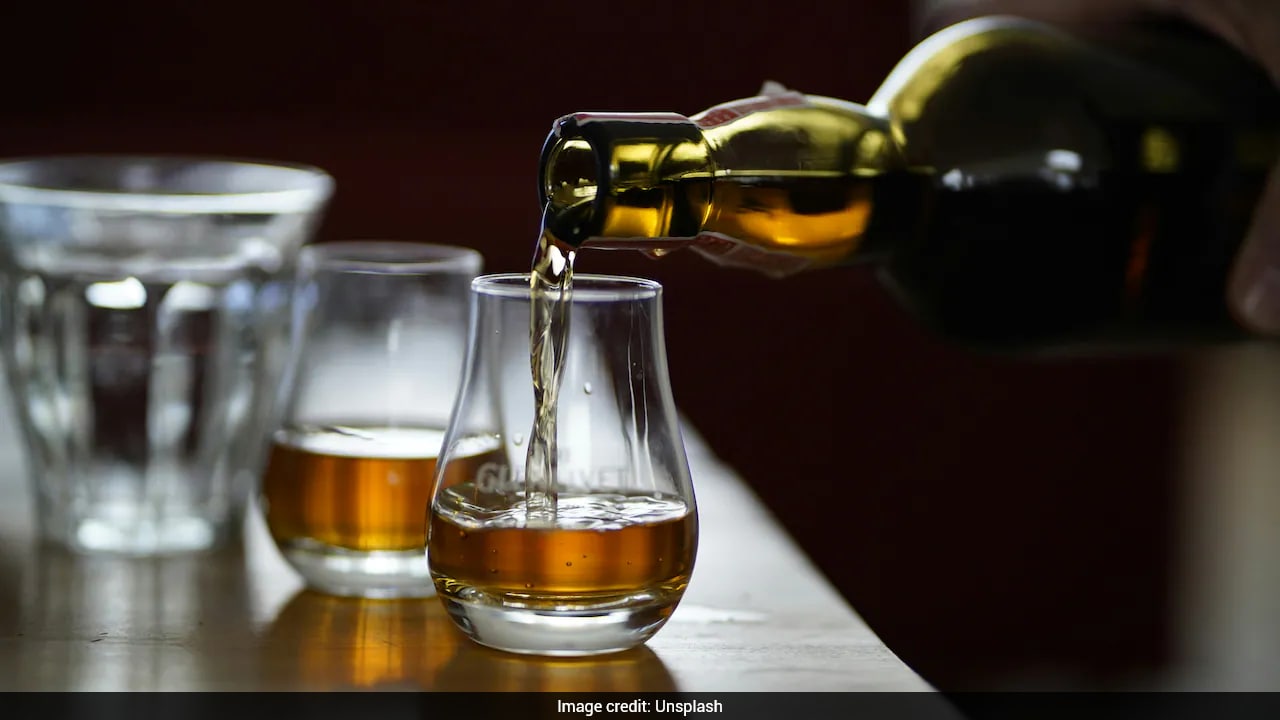
India could overtake the United States to become the world's largest market for Scotch whisky by value as lower import duties and rising demand for premium spirits reshape the country's whisky market, according to the Scotch Whisky Association (SWA). However, as imported Scotch becomes more competitive, Indian liquor makers are raising concerns about taxation and the need for a level playing field.
The India-UK free trade agreement (FTA), which came into force on July 15, has halved customs duties on Scotch whisky from 150 per cent to 75 per cent. The duty is scheduled to fall further to 40 per cent over the next 10 years.
The changes could make imported Scotch more accessible to Indian consumers and intensify competition in the premium whisky segment. However, the final price reduction will depend on state taxes, distribution costs and retailer margins.
Also Read | Layoffs Are Rising In Tech, But These Skills Are Helping People Unlock Better Pay
The opportunity is significant. Scotch whisky exports to India were worth 286 million British Pound Sterling, or around Rs 3,614 crore, in 2025, as per the SWA. India was already the world's largest market for Scotch by volume, but ranked third by export value, behind the US and France.
The next phase of growth could depend on how quickly Indian consumers move towards premium products and how domestic manufacturers respond to the changing competitive landscape.
Indian Whisky Makers Seek Fair Competition
The Confederation of Indian Alcoholic Beverage Companies (CIABC) said India's premiumisation trend is creating opportunities for Indian-made spirits. Domestic producers are investing in distillation, maturation, quality and brand building, while gaining international recognition. However, the industry body has called for domestic policy reforms to ensure Indian premium spirits can compete fairly with imported products.
"Trade liberalisation and Make in India should reinforce each other. There should be parity in taxation," CIABC told NDTV. Its immediate concern is the higher state-level tax burden faced by comparable Indian-made products in several markets. The industry body warned that lower customs duties on finished Scotch imports could widen this disadvantage if states do not review their existing tax structures.
CIABC said state governments should rationalise taxes, fees and margins that discriminate against Indian products. It also cautioned that a shift towards imported spirits attracting lower state levies could reduce the share of Indian-made foreign liquor (IMFL) premium and above brands, with implications for state revenues.
The industry body also called for close monitoring of import prices and volumes to guard against dumping and unfair pricing practices. It said any action should be based on evidence. At the same time, CIABC acknowledged that cheaper bulk Scotch imports can benefit Indian whisky makers. Imported whisky is used in premium blends, creating opportunities for local blending, bottling and packaging, as well as employment.
However, the body flagged a separate concern. It said some Scotch products bottled in India are being shifted to bottled-in-origin (BIO) imports to benefit from lower state levies. CIABC said this trend is becoming a reality in states such as Maharashtra.
It argued that greater access for imported spirits should go hand in hand with fair taxation and market access for Indian producers. The aim, it said, should be to ensure that growing demand for premium alcohol supports domestic manufacturing, agricultural supply chains, jobs and Indian brands, alongside greater consumer choice.
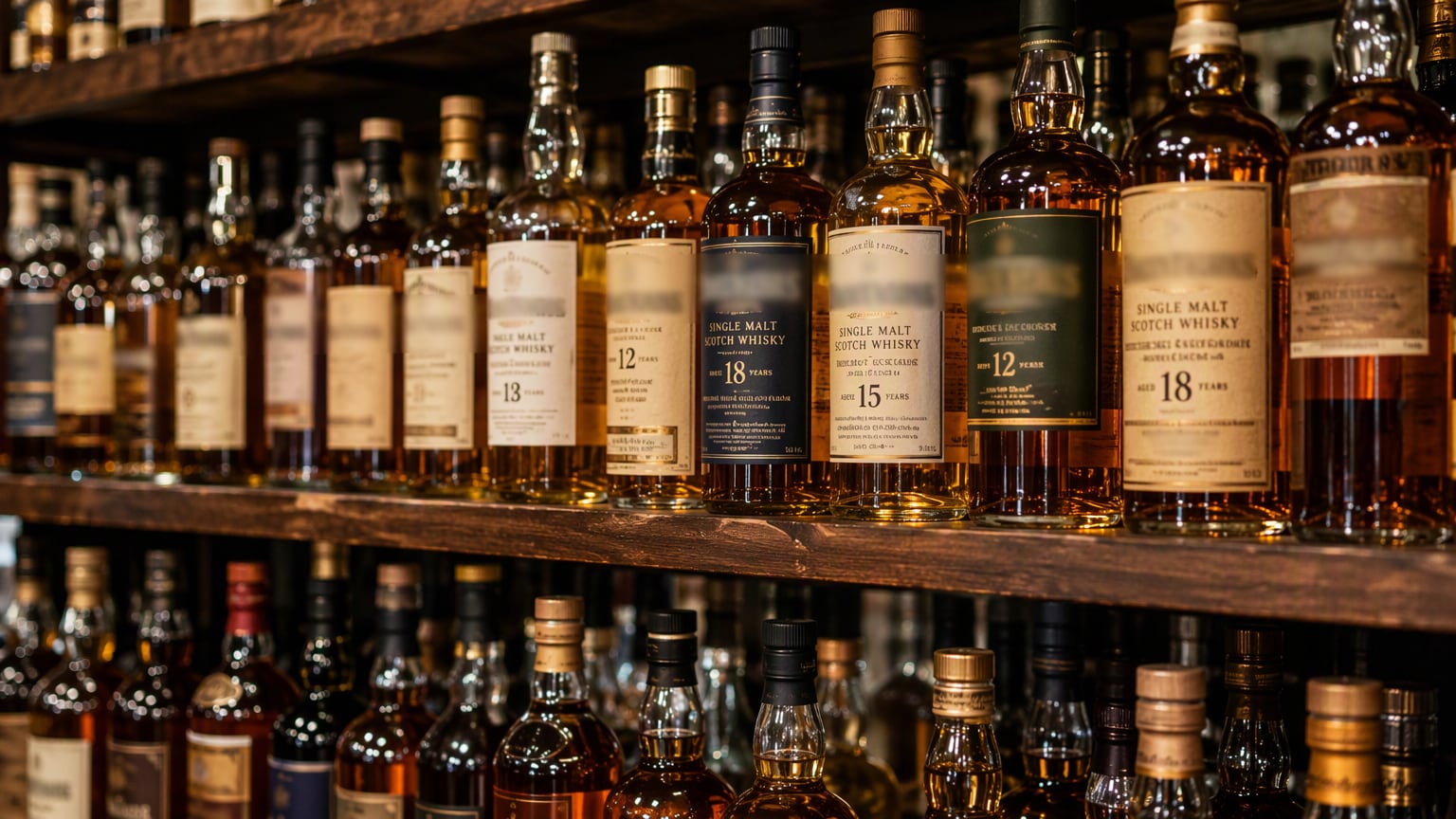
Will Scotch Become Cheaper For Indian Consumers?
The reduction in import duties does not mean consumers will see an equivalent fall in retail prices.
Abhishek Modi, Managing Director of Modi Illva and a board member of CIABC, told NDTV that lower duties would make Scotch more accessible, but the entire benefit was unlikely to be passed on to buyers. "State taxes, distribution costs and margins will continue to influence what consumers eventually pay," Modi said.
He expects a gradual shift in price positioning, wider consumer choice and more competition across price segments rather than an immediate, uniform reduction in prices.
The early signs of change are already visible. Scotch prices in some Indian markets have fallen following the implementation of the trade deal, with reductions varying by brand and state. The extent of the benefit depends on local pricing structures and how companies pass on lower import costs.
For consumers, the changes could make some imported labels more affordable. They could also encourage buyers who currently purchase mid-range whisky to consider premium products.
But Modi said the difference in state-level tax structures remains a concern. Imported Scotch gains a more direct cost advantage from the reduction in customs duties, while domestic manufacturers continue to operate under varying state taxation systems.
He said companies would need to make strategic decisions on local bottling, sourcing, distribution and product development as demand grows. "India should be able to benefit from greater international trade while continuing to strengthen its own manufacturing capabilities," Modi said.
For the industry, the opportunity is not merely to sell more whisky. It is to build a market that supports investment, quality and sustainable growth.
Indian Whisky Brands Face A New Challenge
The changing price equation could also push Indian whisky makers to rethink how they compete with imported Scotch.
Mokksh Sani, founder of Living Liquidz and co-founder of Cartel Bros, said India's potential to become the world's largest Scotch whisky market by value reflects the growing sophistication of its premium spirits segment. He expects the reduction in import duties under the India-UK trade agreement to improve price accessibility and encourage more consumers to experiment with premium whisky.
However, Sani said the bigger opportunity lies in expanding the category through consumer education, distribution and greater appreciation of quality and craftsmanship.
For Indian whisky companies, the narrowing price gap with imported Scotch presents both an opportunity and a challenge. Domestic brands can build stronger positions through quality, innovation and pricing, but they will also need to establish a distinct identity as consumers get more options.
"The next step in growth won't necessarily be about pricing but more about building distinct products," Sani said. This could make differentiation increasingly important. Indian brands will need to communicate what sets their products apart, whether through their production methods, maturation, flavour profiles or brand identity.
The tariff cuts could therefore reshape competition beyond the price tags on bottles. They may encourage more consumers to try Scotch, while prompting Indian producers to invest further in quality and product development.
KioskNews shows a cleaned-up reading view extracted from the publisher’s page — the original always lives on their site, not ours.