Head of Hong Kong’s new drug regulator pledges to build trust, push innovation
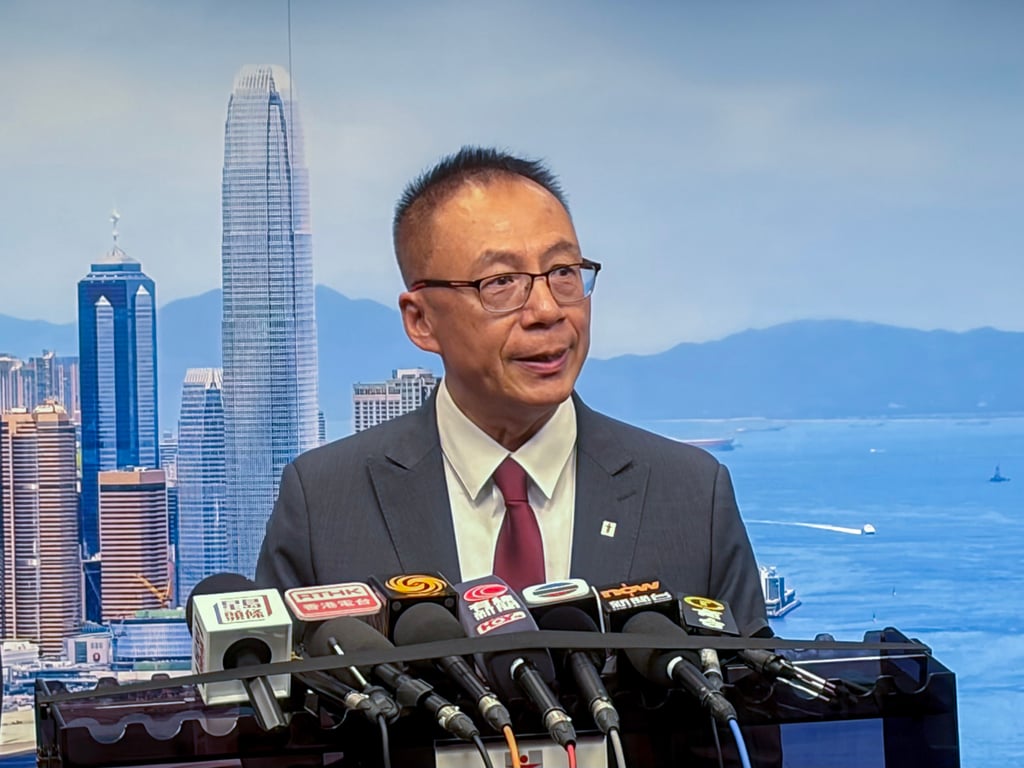
The head of Hong Kong’s new drug regulatory body has pledged to build a fully capable and globally trusted agency that will become a catalyst for medical innovation rather than merely acting as a “miniature version” of existing overseas models.
Dr Li Zili, controller of the Hong Kong Centre for Medical Products Regulation (CMPR), said that while many other places in Asia, such as mainland China, Singapore and Japan, had established regulatory agencies long ago, Hong Kong had a distinctive competitive edge.
“We are not going to be a mini-FDA, nor a miniature version of any regulatory body in the world,” he said, referring to the United States Food and Drug Administration.
Li said Hong Kong had two competitive advantages: the “one country, two systems” governing principle and the strong pharmaceutical industry on the mainland.
“The US regulatory body is strong because of its pharmaceutical industry, with both sides pushing each other forward,” he said, noting that the mainland industry could have a similar symbiotic relationship with the Hong Kong regulator.
“With 34 per cent of global innovative drug [pipelines] coming from mainland China now, it’s pretty clear where Hong Kong’s advantages really lie.”
Educated at Beijing Union Medical College and Johns Hopkins University, Li has 30 years of drug development and regulatory experience, having served at the FDA and several multinational drug companies.
He was selected after a global recruitment exercise that attracted more than 20 applicants.
Li said the order in the global pharmaceutical industry was changing, noting that many multinational drug makers had limitations in responding to clinical needs because their patent-protected medicines were unaffordable to many.
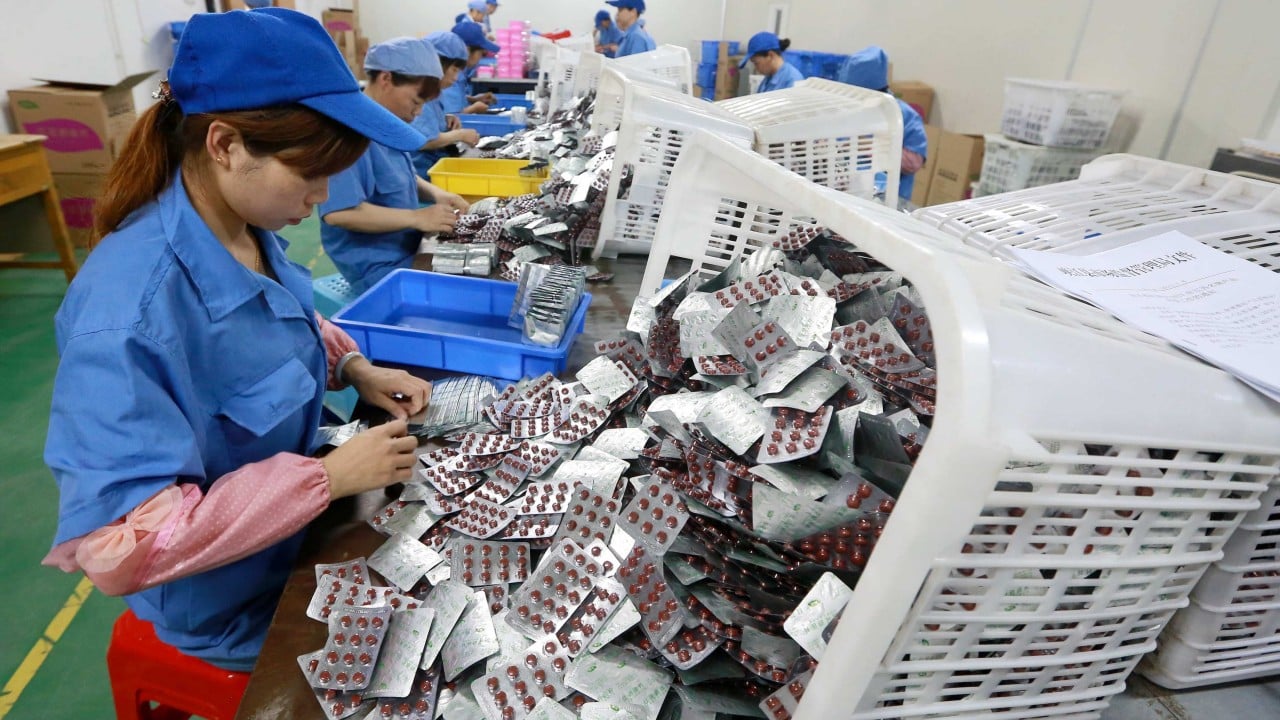
Meanwhile, in 2025 alone, the overseas licensing deals of Chinese innovative drugs surpassed US$130 billion, with the mainland accounting for about a third of the global active innovative drug pipeline.
Li said that China was developing safe, effective and affordable medications that functioned similarly to other patented drugs, which could benefit patients around the world.
As a city with trusted high standards, Hong Kong could play an important role in helping those drugs go global through its own evaluation mechanism, he said.
“It’s not enough to just be a superconnector between mainland China and the rest of the world,” he stressed. “We need to leverage the strategic strengths of Hong Kong to become a catalyst for health reform and medical innovation globally.”
As part of efforts to make Hong Kong an international health and medical innovation hub, the authorities set up the CMPR under the Department of Health and tasked it with implementing “primary evaluation” by 2030, assessing and approving drugs and medical devices independently without relying on foreign approvals.
To facilitate that process, authorities launched the “1+” mechanism in November 2023, allowing drug makers to seek registration in Hong Kong for products supported by local clinical data and one foreign regulatory approval instead of two.
Li said the primary drug approval mechanism would ensure high quality, transparency and predictability.
“Drug development is a long process that can easily take 10 years … My honest opinion is that approving a drug 10 days faster or slower doesn’t make a huge difference on paper,” he noted.
“What drug makers care the most about is predictability, that by following our steps it would finally lead to somewhere.”
Assistant Director of Health Frank Chan Ling-fung said the duration for primary evaluation would vary by product type and the amount of clinical data, but the CMPR would benchmark its timeline against international practices.
He added that the regulator working the fastest took about 200 days to complete an evaluation.
Li said a major performance measure for the CMPR would be its ability to conduct independent assessments and make scientifically sound regulatory decisions.
He stressed that the CMPR would seek to complement, not replace, the current framework, noting that health authorities had brought in many new drugs to meet clinical needs in Hong Kong and the rest of the Greater Bay Area in the past few decades. His office would increase the efficiency, transparency and robustness of the existing mechanism, he pledged.
The body’s two other aims were to earn international trust and become “strategically distinctive”, Li explained.
To achieve those aims, the CMPR would form a multidisciplinary team centred on clinical evaluation, while building meaningful international partnerships that went beyond signing memorandums of understanding, he said.
Li said his office would identify unmet medical needs in Hong Kong and other places by working with partner regulators to guide resource allocation and talent development.
The agency would also explore “unresolved areas” where the international community had not reached a consensus on regulatory standards.
“International regulators are most uncertain about rare diseases … they have issued their own guidance, but the approaches are different, which means there is space, and there is opportunity, and more could be done here,” he said.
Another potential area of focus was advanced therapies, as regulators were still discussing how standards should be established to match the rapid development of such therapies, Li explained.
“We can’t expect Hong Kong to be a world leader in every aspect, but it’s possible for us to gain global recognition as quickly as possible in fields that we choose to focus on,” he said.
“Our ultimate goal is to serve the people of Hong Kong and beyond.”
KioskNews shows a cleaned-up reading view extracted from the publisher’s page — the original always lives on their site, not ours.