How the Philippines missed a Korean gambling racket worth US$3.8 billion
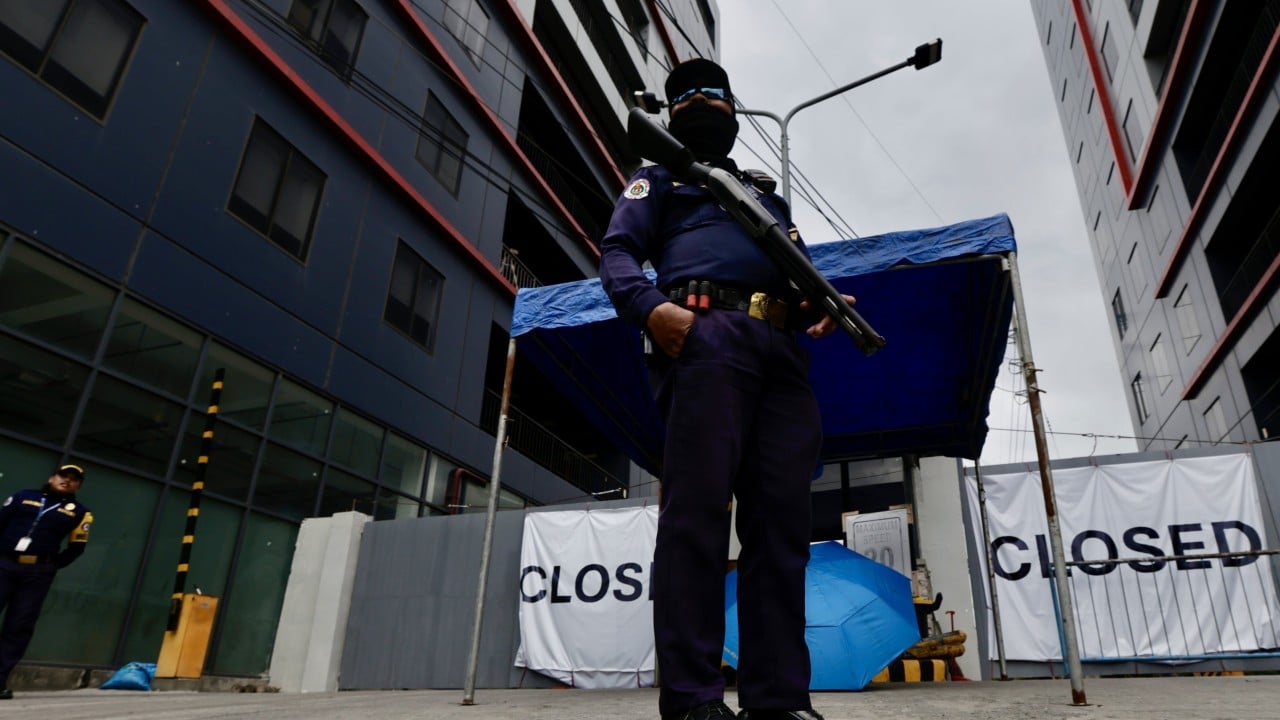
The Philippines spent years dismantling Chinese-linked gambling compounds in dramatic, headline-grabbing raids.
But all the while, and with far less scrutiny, South Korean syndicates were building a parallel industry worth billions of US dollars – one that a spate of recent arrests suggests is still very much intact.
The most recent involved a 29-year-old Korean woman named Kim Young-sun, who authorities allege ran a network of 23 illegal online betting websites out of offices in Pasay and Quezon City that raked in an estimated 5.33 trillion won (US$3.8 billion) between November 2018 and this year.
Her arrest, announced on Monday, offered a rare glimpse into an underworld that has apparently thrived for years in the shadow of the much louder scandal surrounding Chinese-linked Philippine offshore gaming operators, or Pogos.
For almost a decade, Pogos dominated the headlines. Compounds linked to Chinese syndicates were exposed for human trafficking, torture and fraud on a scale so shocking it triggered a congressional inquiry, presidential intervention and, eventually, a permanent ban.
But while investigators trained their attention on those operations, an analogous Korean criminal economy was expanding largely unnoticed. Kim’s arrest and a related case unsealed by police in Seoul just weeks earlier suggest this economy had grown far larger than most realised.

KioskNews shows a cleaned-up reading view extracted from the publisher’s page — the original always lives on their site, not ours.