How IMAX Dome theaters offer a different experience to regular IMAX
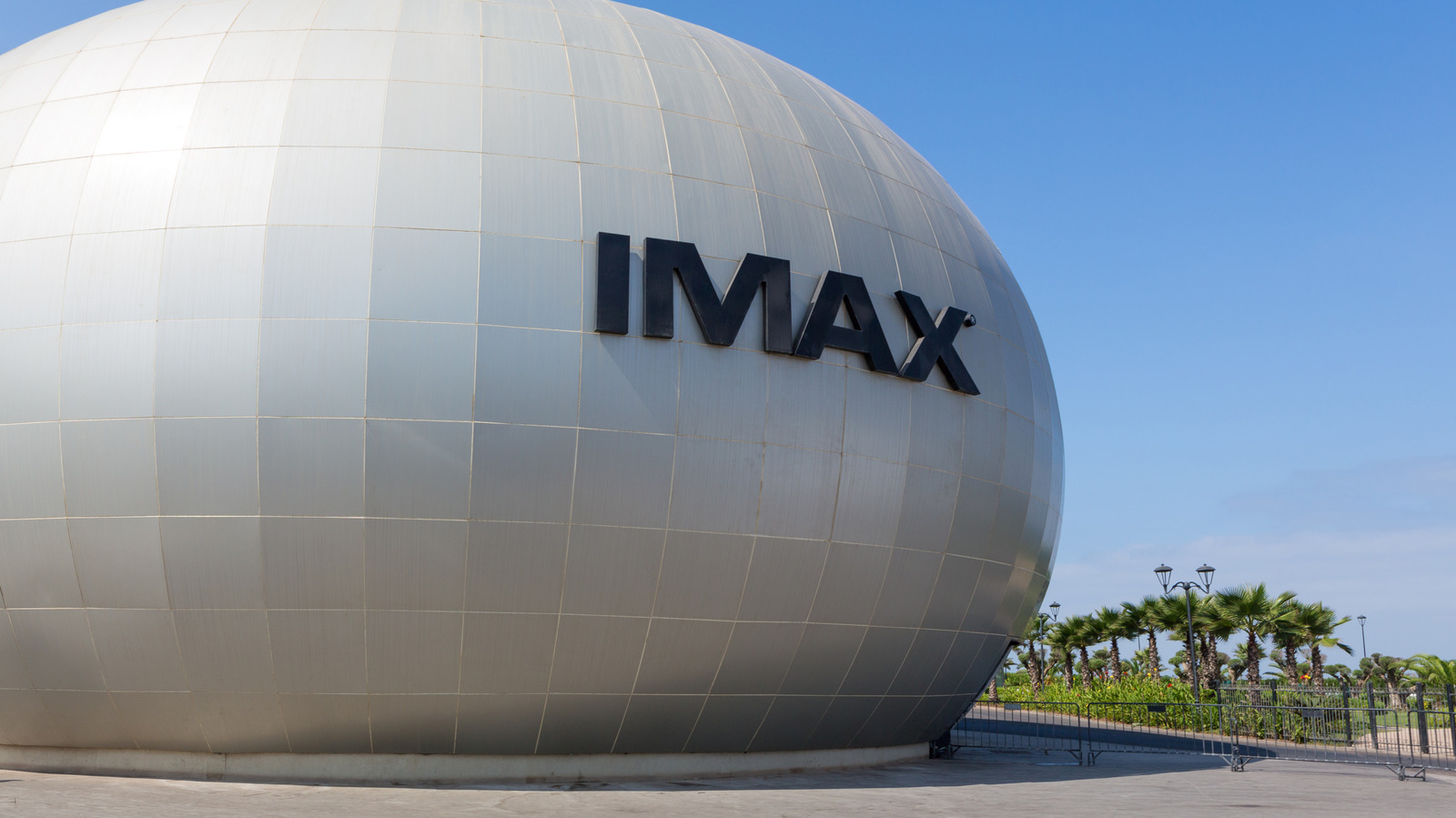
It's a less-cinematic experience that's been the highlight of many museum field trips.
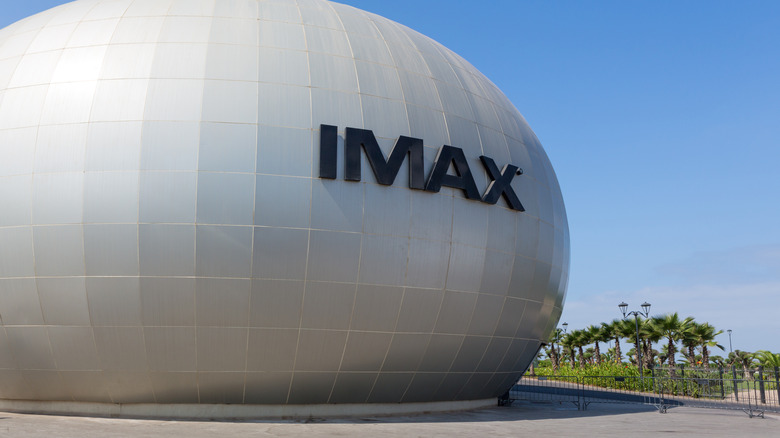
Paralaxis/Getty Images
IMAX advertises itself as the "world's most immersive movie experience," but with roughly five kinds of systems using varying technological setups, it offers different levels of immersion to movie lovers depending on which IMAX-branded theater they enter.
As we learned with the IMAX 70mm release of The Odyssey, film nerds take their viewing experiences quite seriously, some traveling to other cities or states to see the film in its peak version. The recent IMAX hype surrounding The Odyssey has brought the company's various formats to the fore, but one lesser-known format of IMAX viewing is the IMAX Dome. Readers of a certain age may recall field trips to science museums and other educational centers that showed films in "OMNIMAX." Today, the system is more widely known as IMAX Dome, having been renamed in the 1990s, though some institutions still refer to it as OMNIMAX, including the Saint Louis Science Center. So what really is an IMAX Dome theater, what is it like to see a film in one, and where can you find them?
How Dome differs from flat-screen IMAX
The term IMAX refers to a proprietary motion picture system put forward by IMAX corporation, that usually includes some combination of large screens, high-resolution imagery and an overall more immersive experience. What exactly you see, however, depends on how the movie was shot and what kind of IMAX you are viewing it in.
The main categories of IMAX are IMAX 70mm — the gold standard viewing experience, in which a film is shot on IMAX 70mm film and projected from an IMAX 70mm film print. Closely following the 70mm experience is IMAX GT Laser, a dual-laser projection system that has a high resolution at 4K and is designed for 1.43:1 aspect ratio screens; next, IMAX with Laser uses a single-laser projector, optimized for wider, 1.90:1 screens. The first-generation digital IMAX experience is IMAX Digital Xenon. These older installations use dual 2K projectors with xenon bulbs, often coupled with smaller theaters that some have nicknamed "LieMAX."
Finally, there is the IMAX Dome with Laser — this format is less common both for film production and viewing purposes. They are more typically found at science museums and other educational centers playing nature films rather than Hollywood blockbusters. The Dome system, formerly known as Omnimax, hosts films shot with a fisheye lens that give viewers a 180° field of view. While a standard IMAX screen is vertical and typically approximately 52 by 72 feet, a Dome can stretch nearly 100 feet in diameter across the entirety of a domed ceiling.
Where can you experience IMAX Dome?
While less common than other categories of IMAX theaters, Domes can be found in a number of locations around the US and abroad. IMAX doesn't maintain an easily digstible list, but multiple fan-run sites like the IMAX Wiki have your back. Locations with an IMAX Dome include La Geode in France, the Speyer Technik Museum in Germany, the Swedish Museum of Natural History, the China Science & Technology Museum, and the Ontario Science Centre in Toronto. In the US, institutions including the Museum of Science and Industry in Chicago, Illinois; the Cincinnati Museum Center in Ohio and the Saint Louis Science Center all have IMAX Dome theaters.
Again, don't necessarily expect the latest Hollywood blockbusters to play if you are able to make it to an IMAX Dome. The first film shot specifically for Omnimax/IMAX Dome was a 1973 short documentary called Garden Isle, and in the decades since the majority of Dome-optimized films have been in a similar vein — think titles like Secrets of the Sea and Volcanoes: Fires of Creation. Still, almost all Dome theaters project at the full-height 1.43:1 IMAX aspect ratio, just like company's 70mm theaters. Christopher Nolan films including Oppenheimer and The Odyssey have been shown in IMAX dome locations around the world. So if you want to be immersed in 180 degrees of Trojan War battles, IMAX Dome can make that happen.
KioskNews shows a cleaned-up reading view extracted from the publisher’s page — the original always lives on their site, not ours.