Opposition bloc said weighing direct PM elections to break political deadlock
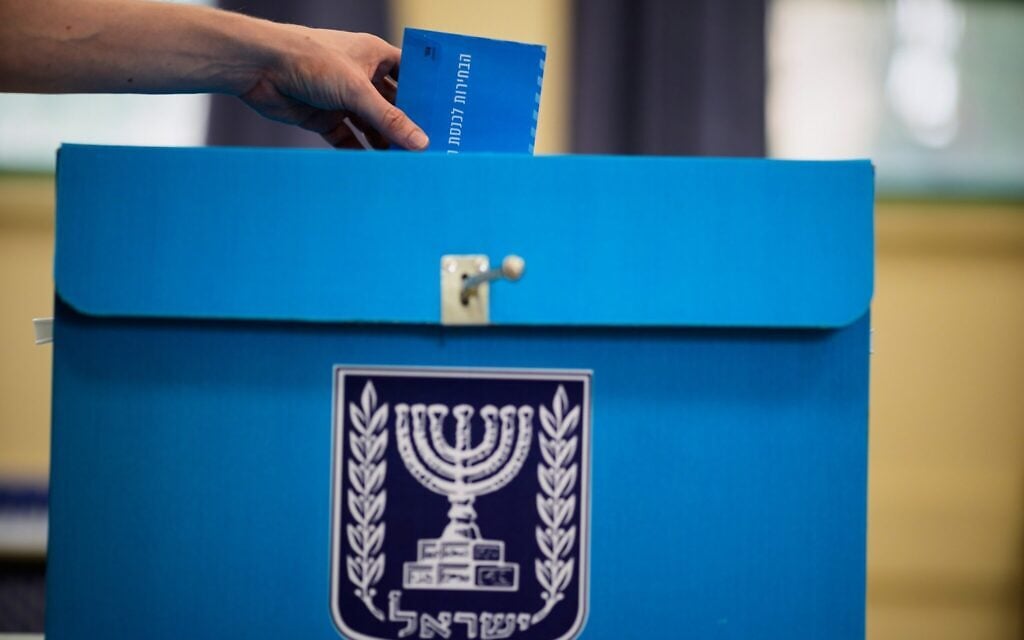
Parties in the opposition “change bloc” are considering advancing legislation to introduce direct elections for prime minister, according to a Friday night report on Channel 12, which said the bloc is looking to form a minority government without relying on the support of Arab parties amid the political deadlock following Tuesday’s election.
According to the report, the opposition parties are referring to the move as the “Netanyahu 2021 model,” as Prime Minister Benjamin Netanyahu himself pushed a similar proposal following the inconclusive March 2021 election, after his own efforts to assemble a coalition had stalled.
The proposal would allow voters to elect the prime minister separately from the government, potentially offering a way out of the current deadlock.
0:00 / 0:00
Promoted: Jewish Crossroads, Avi Issacharoff

The anti-Netanyahu parties won 67 seats in the 120-member Knesset, potentially giving them enough votes to advance legislation even before the shape of the next government is settled.
Netanyahu’s opponents are split between Jewish-led “change bloc” parties — Yashar, B’Yachad, The Democrats and Yisrael Beytenu — which will hold 48 seats, and Arab-led parties, which will hold a record high of 19. Netanyahu’s supporters will hold 53 seats, short of a 61-seat majority in the 120-seat Knesset.
Get The Times of Israel's Daily Edition by email and never miss our top stories
By signing up, you agree to the terms
According to the report, sources in the “change bloc” confirmed that the parties are considering advancing legislation for direct elections, though the report noted that it is one of several ideas being considered, and that a decision has not yet been made.
Under such a system, a candidate who wins a direct election for prime minister could theoretically form a minority government without securing a Knesset majority.
Israel’s quasi-constitutional Basic Law: The Government requires a prospective government to win a vote of confidence in the 120-seat Knesset before it can be sworn in.
Introducing direct elections would therefore require amending the law, a move requiring the support of at least 61 Knesset members, which the opposition bloc would theoretically have if supported by Arab parties.
It is unclear who would lead the opposition bloc as candidate for prime minster in the event of a direct election, as the main parties did not agree to back one leader ahead of Tuesday’s election, with Yashar’s Gadi Eisenkot, B’Yachad’s Naftali Bennett and Yisrael Beytenu’s Avigdor Liberman all vying for the top spot.
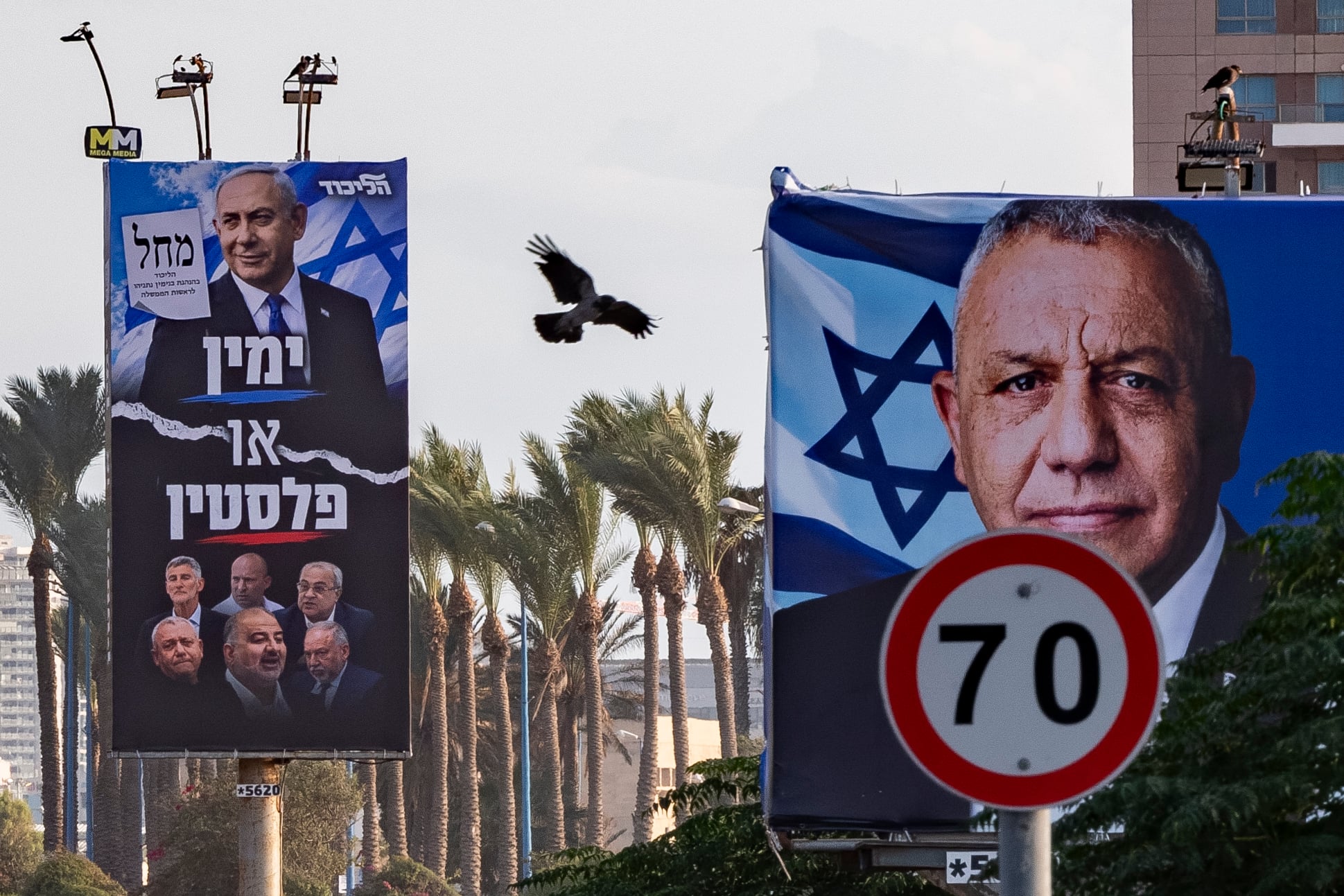
Opposition parties did not publicly comment on the Channel 12 report.
Israel briefly experimented with direct elections for prime minister in the 1990s — Netanyahu’s first election to the premiership, when he defeated Shimon Peres in 1996, was also Israel’s first direct election for prime minister.
However, the country reverted back to voting only for parties five years later, because the move further fragmented the electorate with people have to vote for small sectorial parties after casting a vote for a mainstream prime ministerial candidate, making it even harder to cobble together viable coalitions.
The last time a direct election was held in Israel for the premiership was in 2001.
Is our live election coverage important to you?
Are you relying on The Times of Israel for accurate and timely coverage of the 2026 Israeli election? If so, please join The Times of Israel Community. For as little as $6/month, you will:
- Support our independent journalists who are working around the clock to report political developments as they unfold;
- Read ToI with a clear, ads-free experience on our site, apps and podcasts; and
- Gain access to exclusive content shared only with the ToI Community, including our DocuNation streaming film series and weekly letters from founding editor David Horovitz.
Join The Times of Israel Community JOIN NOW Already a member? Sign in to stop seeing this
KioskNews shows a cleaned-up reading view extracted from the publisher’s page — the original always lives on their site, not ours.