Is it true that … toothpaste is an effective spot treatment?
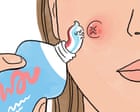
The idea that toothpaste can be used to treat spots has been around for years. But does it actually work – or could it make things worse?
“A spot happens when a sebaceous gland gets plugged and inflamed,” says Dr Rosalind Simpson, a consultant dermatologist and associate professor at the University of Nottingham. Acne develops through a combination of blocked pores, increased sebum production and changes in Cutibacterium acnes, bacteria that naturally live on the skin.
The thinking is that ingredients such as baking soda or alcohol can dry out a pimple, making it appear smaller. But that doesn’t mean toothpaste is good for skin.
“One or two of the ingredients can temporarily dry out the skin a little bit,” says Simpson. “But the flipside is that other ingredients, such as menthol and sodium lauryl sulfate, are highly irritant to skin and could make the problem worse by increasing inflammation and worsening scarring and pigmentary change.”
after newsletter promotion
She would not recommend treating a spot with toothpaste. Instead, she says, hydrocolloid acne patches can help reduce lesion size, redness and inflammation. Also, avoid picking or squeezing spots, which increases the risk of scarring; apply a warm cloth to the area; and use an over-the-counter topical treatment such as azelaic acid.
“Topical treatments for acne need to be used for a long time, usually 12 weeks, to start getting the best anti-inflammatory effects,” she says, and prevention is better than cure. So ensure your skincare routine includes products that reduce inflammation and have antibacterial properties.
Simpson recommends Acne Support and the British Association of Dermatologists for information. If acne is not responding to simple skincare measures, she advises seeing a doctor.
KioskNews shows a cleaned-up reading view extracted from the publisher’s page — the original always lives on their site, not ours.