China cancer patient who inspired hit film hopes to stop treatment after 35,000 pills over 2 decades
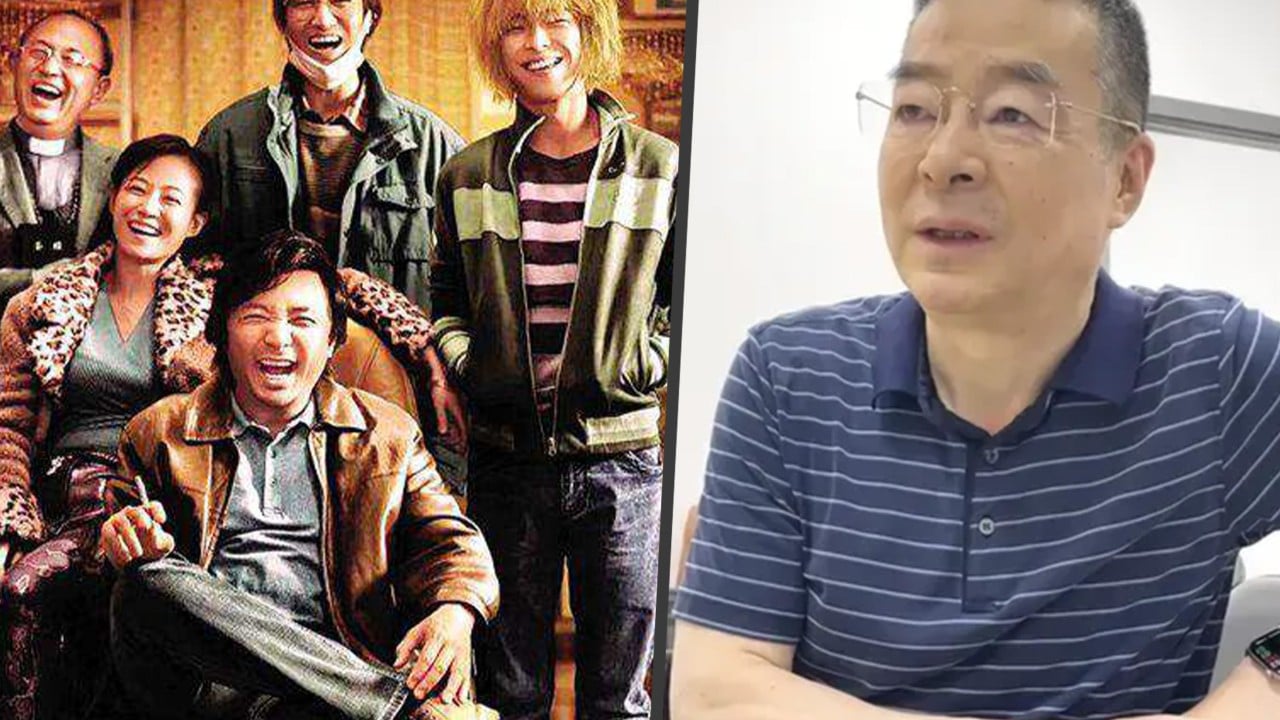
Lu Yong, who has a slow-growing blood and bone marrow cancer and inspired the 2018 blockbuster Dying to Survive, has begun reducing his medication and hopes to stop taking it completely within three months.
The acclaimed film is based on Lu’s experience. He has chronic myeloid leukaemia (CML) and helped patients across China obtain affordable, life-saving generic drugs from India, but was prosecuted by Chinese authorities for selling “fake drugs”.
Before his diagnosis, 58-year-old Lu was a textiles trader in Jiangsu province in eastern China. Diagnosed with CML in 2002, he took Gleevec, a patented drug made by Novartis, for the first few years.
Lu said Gleevec was the most effective treatment for him, but it cost 23,500 yuan (US$3,500) per packet – an expense of 800 yuan a day.
In 2004, Lu contacted an Indian pharmaceutical company to buy generic drugs that had been approved for use by Indian regulators. The drugs saved him a significant amount of money.
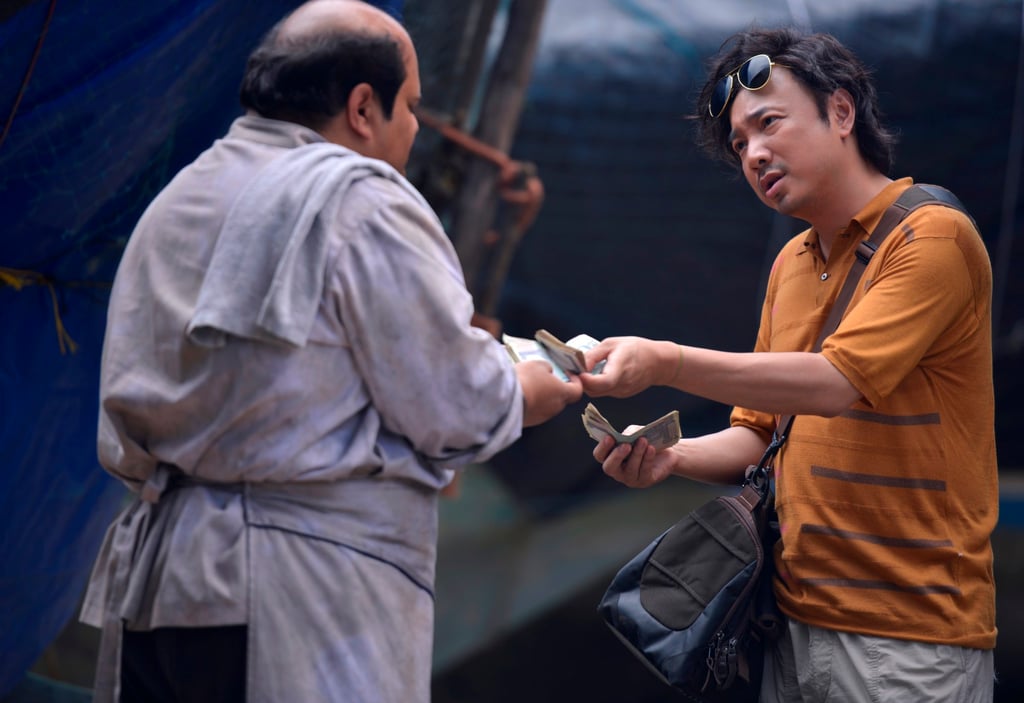
Lu then began acting as an intermediary, helping other patients who could not speak English obtain the drugs from Indian companies. He negotiated substantial price cuts to meet the high volume of demand.
However, the drugs did not have a licence for import into China and were therefore considered fake there.
“I built an online chat group among us patients. Every week we heard some patients pass away. This is the motivation that prompted me to continue to source these drugs,” Lu told Jimu News.
He was detained in 2013 and charged with selling counterfeit drugs the following year.
More than 1,000 patients signed a joint letter appealing on his behalf, drawing significant attention across the country.
In January 2015, prosecutors dropped the charge against Lu.
In early October, Lu visited the First Affiliated Hospital of Soochow University in Suzhou, Jiangsu province. After assessing his condition, doctors suggested that he try halving his medication.
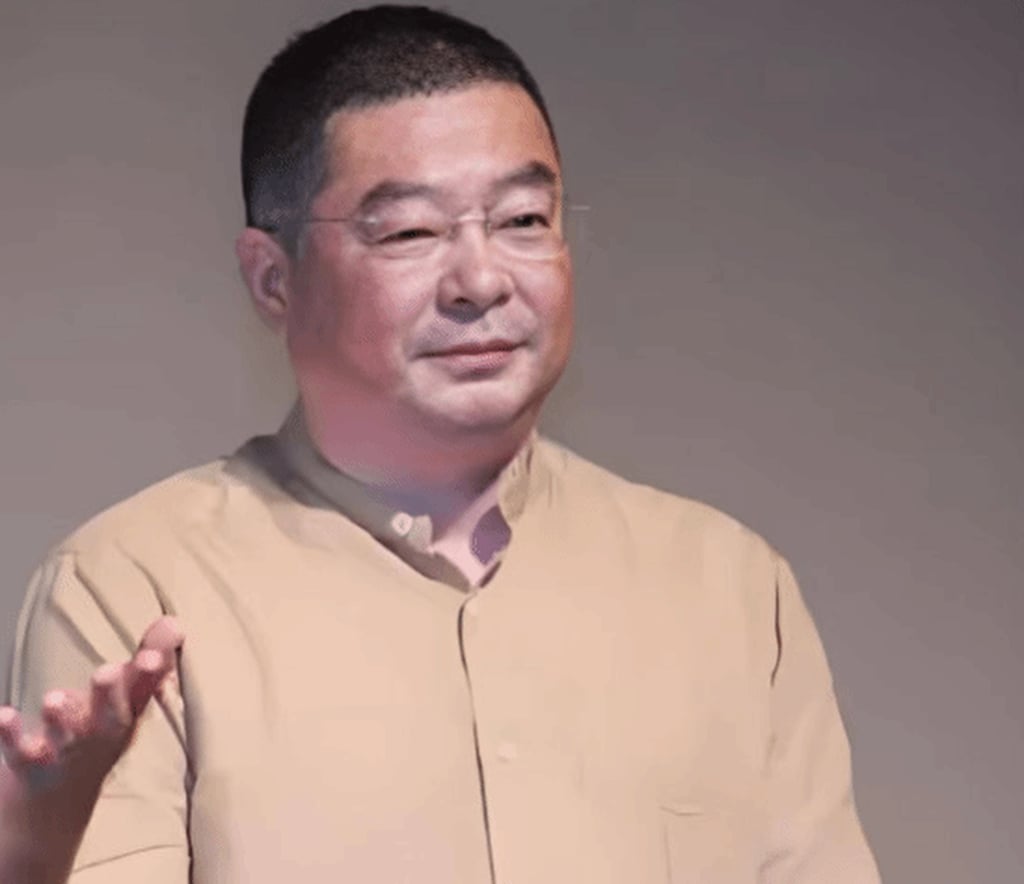
He is scheduled to take a gene test three months later. If the result is still negative, he will no longer need to take medication, doctors said.
Over the past 24 years, Lu has taken more than 35,000 pills.
“I aspire to be an ordinary person. It is a good thing to stop taking drugs, even for half a year or a year,” Lu said. “Not needing to take medicine will make me feel like a normal person. It will be a rebirth for me.”
After Dying to Survive brought the plight of cancer patients into the spotlight, Chinese health authorities accelerated healthcare reforms.
In 2019, the authorities decided that smuggled generic drugs would no longer be considered fake drugs under the law.
In recent years, the public health insurance scheme has expanded significantly to cover a range of imported drugs, easing patients’ heavy financial burdens.
While many people credited Lu with helping to bring down the prices of those imported drugs, he replied: “I am only an ordinary patient. Those who pushed forward the medical reform are legislative committee members, doctors and countless patients’ appeals.”
KioskNews shows a cleaned-up reading view extracted from the publisher’s page — the original always lives on their site, not ours.