The 6 Most Intelligent Characters in Classic Movies, Ranked

Andrea M. Ciriaco is a long-time script reader and former entertainment editor who specializes in classic movies and Hollywood history. She was a student film critic at Kent State University for three years and worked at Warner Bros Studio in Burbank and The Safran Company for several years. Based on her vast taste and range of knowledge, many consider Andrea to be a walking IMDb who knows dozens of underrated movies and is a vital assesst to any trivia night. While movies are her expertise, Andrea is also a diehard fan of iconic shows including The Sopranos, Boardwalk Empire, Rod Serling's The Twilight Zone, Will & Grace and South Park. Some of her favorite filmmakers are Walt Disney,John Huston, Fritz Lang, Alfred Hitchcock, John Ford, Mel Brooks, Quentin Tarantino, Martin Scorsese and Howard Hawks.
Sign in to your Collider account
Audiences have always been drawn to the character who sees a pattern no one else can, who stays three moves ahead of everyone else, and who solves the impossible with nothing but a sharp mind and unshakable nerve, making intelligence one of cinema's most seductive qualities. During Hollywood's Golden Age, brilliance wasn't just a character trait; it was a form of glamour that was as thrilling to watch as any intense shootout or fierce sword fight.
Silver screen intelligence comes in many forms, such as the cool deductive reasoning of a great detective, the cunning of con artists and schemers who turn human nature against itself, and the quiet wisdom of outsiders who understand people far more than the rules of a civilized society. The characters on this list prove that a razor-sharp mind can be just as compelling as any hero's strength, effectively outsmarting their enemies, exposing the lies of the powerful, and delivering some of the most memorable moments in film history.
6 Nick Charles — 'The Thin Man' (1934)
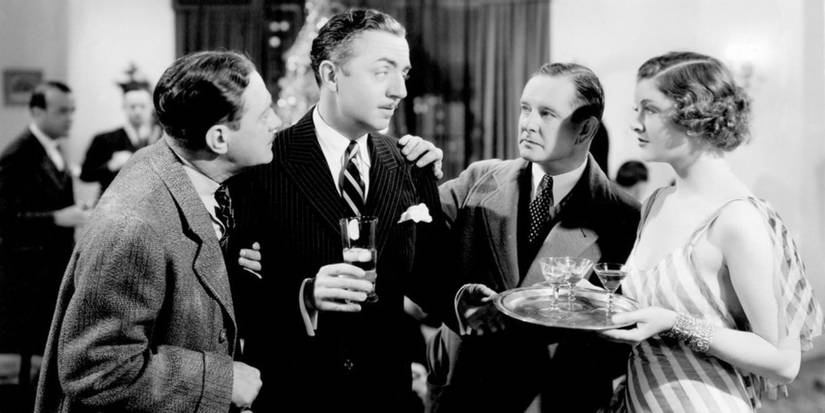
The retired detective, Nick Charles, played by the sophisticated William Powell, in The Thin Man movies earns his place among classic cinema's sharpest minds precisely because he makes brilliance look absolutely effortless. While others stumble through clues and red herrings, Charles breezes through a murder investigation with a drink in hand and a quip on his lips, convinced that most of it is a nuisance, interrupting his cocktail hour. Like many great detectives, Charles's intelligence lies in his understanding of people, coaxing the truth out of them through conversation, bluffing, and psychological warfare.
Just as impressive as his wit, every exchange with his wife, Nora (Myrna Loy), crackles with sidesplitting humor and intelligence, matching her bard for a bard, which essentially proves that quick verbal thinking is its own form of genius. Charles also knows when to hide his sharpness behind his charm, leading many of his opponents to underestimate him. In short, Nick Charles demonstrates that the smartest man in the room rarely needs to announce it; he simply solves the case, finishes his drink, and goes back to enjoying life.
5 Margo Channing — 'All About Eve' (1950)
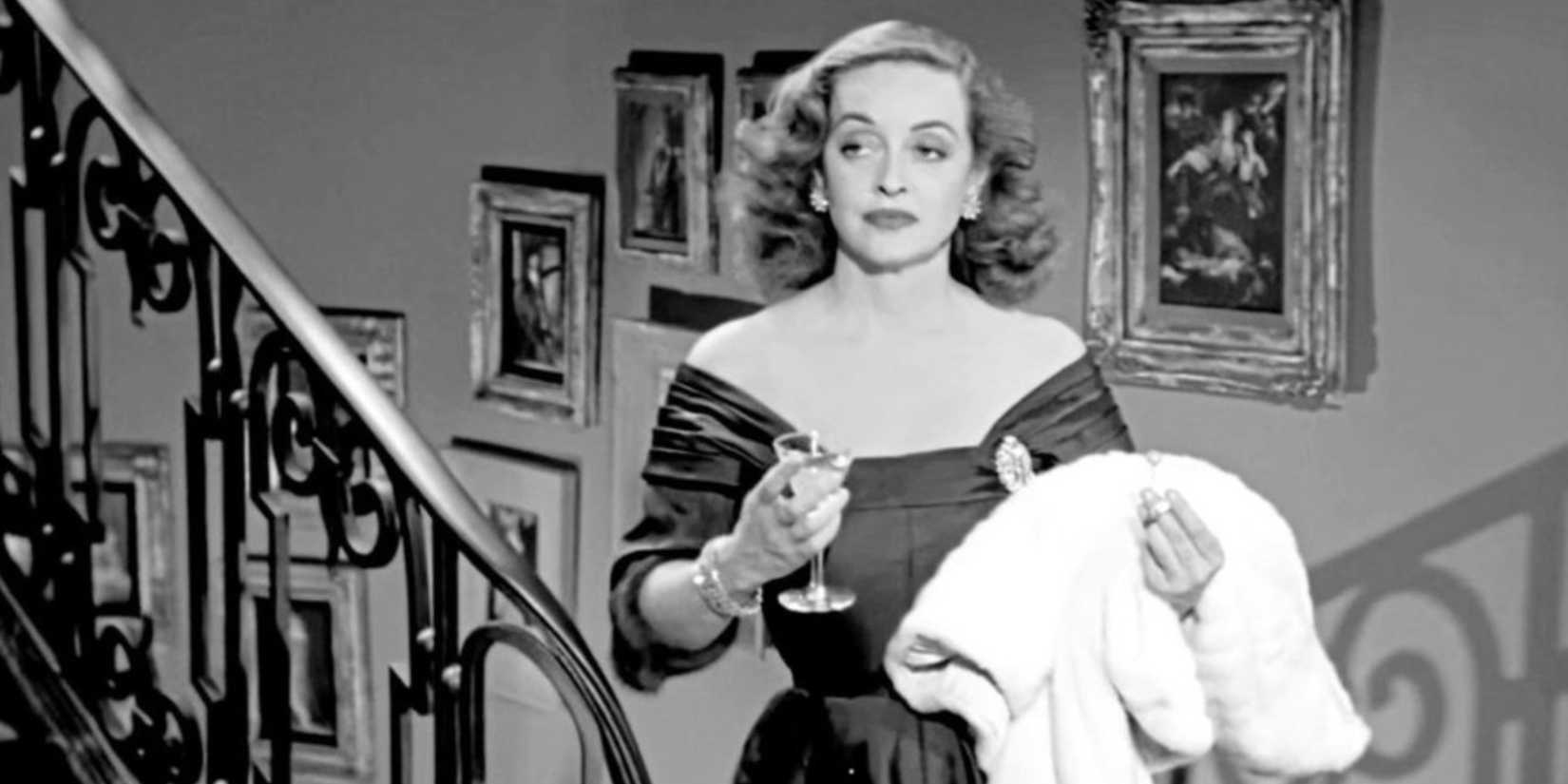
Bette Davis stars in Joseph Mankiewicz's must-see classic All About Eve as a celebrated Broadway star, Margo Channing, whose mind is as sharp as her tongue, making her one of the most intelligent characters in classic cinema. Despite the fame and public adoration, Channing remains grounded in reality and sees the world with unflinching clarity, especially when it comes to the flaws of others and, eventually, her own. Her main source of intelligence comes from her instinct for people. While everyone around her is charmed by her devoted young fan, Eve Harrington (Anne Baxter), she senses something wrong beneath Eve's humble surface, which proves to be correct before any evidence comes to light.
Channing's wit is equally formidable as her razor-edged observations cut through pretense in an instant, and her most famous line ("Fasten your seat belts, it's going to be a bumpy night") is delivered with perfect command of timing and tone. She also has a capacity for self-awareness and learns from her mistakes, which is rarer than brilliance alone. Fierce, perceptive, and brutally honest, Margo Channing is a reminder that intelligence is not only about solving puzzles; it's about seeing people and the truth exactly as they are.
4 Sam Spade — 'The Maltese Falcon' (1941)


Humphrey Bogart stars in John Huston's essential noir classic, The Maltese Falcon, as the hard-boiled private eye Sam Spade, who navigates his way through a web of liars, thieves, and killers by staying one step ahead of them all, rightfully earning a spot on this exclusive list. Spade's greatest strength is his skepticism. He believes everyone who walks through his office has an ulterior motive or hidden angle, and he plays along just long enough to learn what he needs while letting them believe they are successfully manipulating him. Spade also knows how to think strategically under pressure.
Cornered by the police, threatened by Casper Gutman (Sydney Greenstreet), and menaced by a gunman, Spade stays calm and eventually turns each situation to his advantage, effectively regaining and maintaining the upper hand against his opponents. The most telling quality about Spade's intelligence, though, is his final decision. Despite his feelings for Brigid O'Shaughnessy (Mary Astor), Spade refuses to be played as a fool, setting aside his emotion in favor of principle and logic, understanding the cost which he pays without hesitation. Spade is cynical, observant, and ruthlessly rational and ultimately symbolizes how true intelligence means seeing through everyone, including the person you might love.
Collider Exclusive · Villain Personality Quiz Which Criminal Mastermind Would Be Your Nemesis? Lecter · Joker · Moriarty · Chigurh
Four of the finest criminal minds ever put on screen. One of them would look at you and see something worth their time. Eight questions decide which one comes for you, why they picked you, and what they would want when they arrived.
🍷Lecter
🃏Joker
♟️Moriarty
🪙Chigurh
01
What would a criminal mastermind notice about you first? Great villains choose their opponents carefully. Something about you got their attention.
02
How do they make first contact? The introduction tells you everything about what is coming next.
03
What do you actually believe about right and wrong? Every nemesis is really an argument about the thing you believe most.
04
What finally gets under your skin? Everybody has a pressure point. Finding yours is the whole plan.
05
They have made their move. How do you fight back? This is the part of the film where the audience finds out who you are.
06
What would they use against you? A good villain never brings a weapon you have not already handed them.
07
What do they actually want from you? The money is never the point. Something else always is.
08
How does it end between the two of you? Eight questions in, this is the one that decides who comes for you.
The Case File Is Complete Your Nemesis Is…
Four criminal masterminds. One of them was always going to be yours. Here is who comes for you, why they picked you out of everyone available, and what they want from the encounter.
Hannibal Lecter
Your nemesis does not want to beat you. He wants to know you completely, and he is patient enough to wait for it. The frightening part is how good the conversation is.
- Lecter is the most dangerous kind of opponent: the one who finds you interesting. He never raises his voice, because he has never needed to.
- You keep a great deal to yourself and you are careful about what you show. That reserve is exactly the door he would knock on.
- The films understood something other thrillers missed. The horror is not the violence. It is being perfectly understood by the wrong person.
- He would be unfailingly polite about all of it. That is the worst part.
The Joker
Your nemesis is not after money, territory or revenge. He is after a demonstration, and you are the person he has chosen to prove his point on.
- The Joker only picks opponents who believe in something. Your decency is not a defence against him. It is the entire reason he showed up.
- He has no plan you can predict and nothing you can take away, which removes every tool you would normally reach for.
- His whole argument is that you are one bad day away from being him, and you would spend the rest of your life proving him wrong.
- He would call it a magic trick. You would call it the worst night of your life.
Moriarty
Your nemesis respects you, which sounds flattering until you work out what it means. He chose you because nobody else was worth his time.
- Moriarty is the original criminal mastermind, the template every later one borrows from: a mind the equal of the hero's, pointed the wrong way.
- You enjoy being the cleverest person in the room. He is counting on exactly that, and he has already built the room.
- This is the rare nemesis who would be genuinely disappointed if you lost badly. He needs the game to be worth playing.
- It ends the way these things always end. Two people, one problem, and only one way down.
Anton Chigurh
Your nemesis has no personal interest in you whatsoever, and that is precisely what makes him unsurvivable. You are not a rival. You are a stop on the way.
- Chigurh does not negotiate, gloat or explain. He arrives, he asks one question, and the answer was decided long before you opened your mouth.
- You trust yourself to handle things. He is the one problem in the world that has no interest in how capable you are.
- No Country for Old Men rewrote the screen villain by removing the thing audiences quietly rely on: the sense that talking might work.
- Call it. He will wait.
3 Hildy Johnson — 'His Girl Friday' (1940)

Hildy Johnson, the whip-smart newspaper reporter in Howard Hawks' screwball comedy, His Girl Friday, earns recognition as one of the most intelligent characters in classic cinema because she thinks faster than almost anyone else on the silver screen. Played by Rosalind Russell, Johnson operates in a world dominated by men, and she outpaces them all with her sharp instincts and lightning-quick tongue. She spots the story within the story, cuts through official lies, and works the phones with ruthless efficiency, making her professional brilliance undeniable.
The film's famously overlapping banter demands extraordinary mental agility, and Johnson matches her ex-husband and boss, Walter (Cary Grant), line for line, often getting the better of him, and can instantly spot his tactics of manipulation. Her intelligence also includes her self-knowledge and independence. She understands what she's good at and what she wants, and she ultimately chooses the career and the chaos that suits her. Johnson's unwavering confidence, intuition, and no-nonsense attitude make her not only a fierce force but also a prime example of how a sharp mind can be the most exciting spectacle of all.
2 Harry Lime — 'The Third Man' (1949)
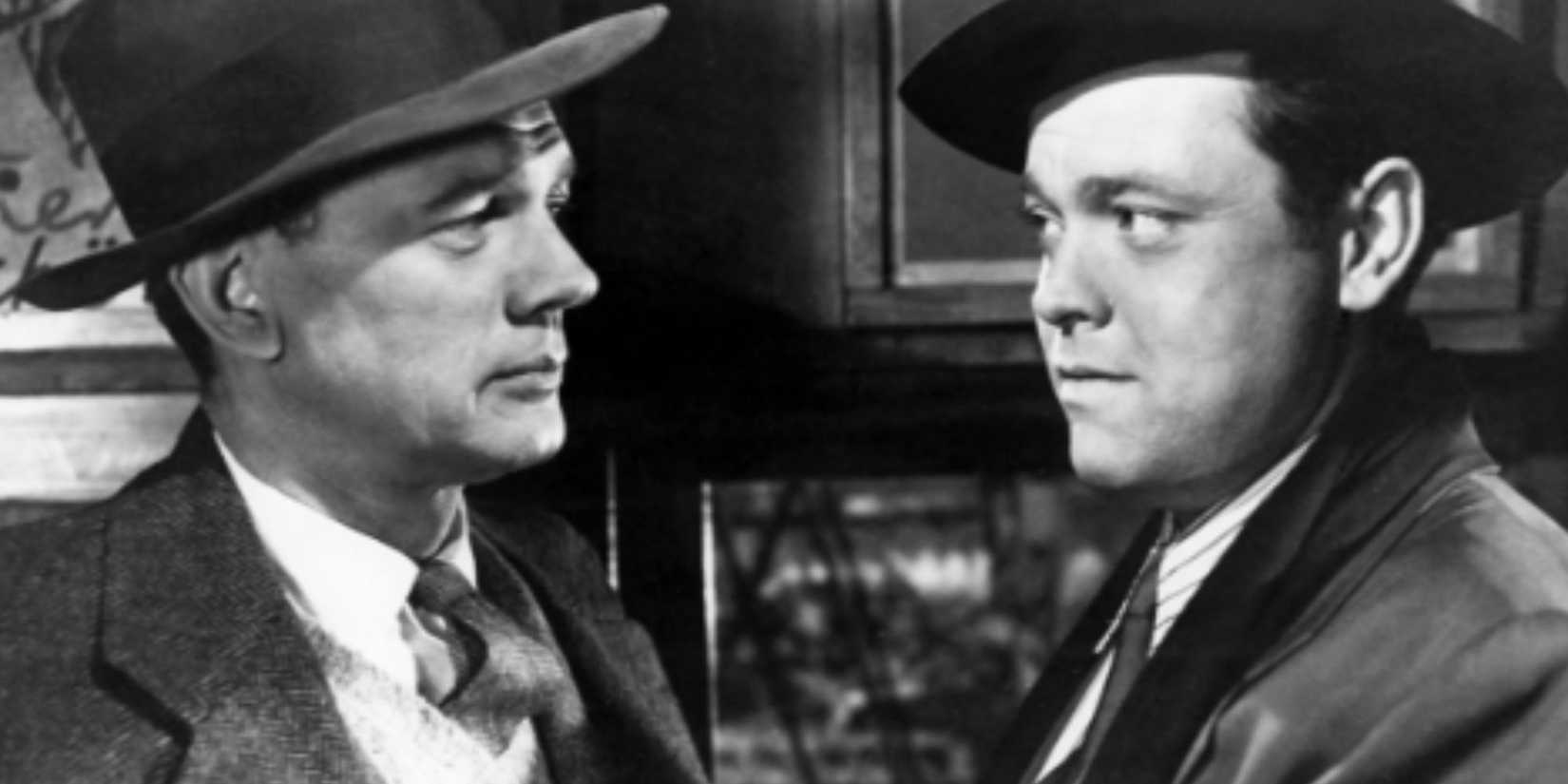
Orson Welles stars in Carol Reed's classic masterpiece The Third Man as the charmingly cruel crook Harry Lime, a master of manipulation and an expert at deception who stays steps ahead of those who are hunting him in the streets of post-War Vienna. Despite only appearing on-screen for a few scenes, Lime's presence still manages to dominate the entire film and leaves an everlasting impression of disgust and intrigue on audiences. Before the story begins, Lime makes his cleverest move by faking his own death, and in a city crowded with occupying forces, black marketeers, and shifting loyalties, it's rather impressive how long he successfully remains hidden in plain sight.
What makes Lime truly chilling is his cold sense of logic and outlook on the world. Atop the Ferris wheel, he casually justifies his choice of profiting off a tainted drug that has killed and maimed children, reducing human lives to dots on the ground below. His famous speech about Italy's Borgias and Switzerland's cuckoo clock reveals a fascinating mind that has built a philosophy to excuse anything. Even though it's the kind that corrodes and destroys, Lime's intelligence is impossible to deny, and his wit, calculation, and lack of a moral compass show that brilliance without conscience can be the most dangerous weapon of all.
1 Phyllis Dietrichson — 'Double Indemnity' (1944)

Billy Wilder's Double Indemnity stars Barbara Stanwyck as the icy femme fatale, Phyllis Dietrichson, whose ability to play a long, patient game ultimately lands her a spot among the most intelligent classic movie characters of all time. Dietrichson is a ruthless strategist who hides behind the facade of being a bored, wealthy housewife with fragile charm, using her magnetic beauty and submissive nature to lure her prey in with open arms. Her intelligence is initially apparent with her choice of target. Rather than plotting alone, Dietrichson recruits an insurance salesman, Walter Neff (Fred MacMurray), who knows every loophole in the system, making him a crucial cog in her devious plan.
She reads his ego and desires within moments of their first meeting, then feeds both with just enough flirtation to pull him into a passionate affair. By the time Neff realizes what's happening, he begins to believe that the murder plot was his idea. Her most impressive stroke of genius is her emotional discipline. She uses vulnerability as a tool, switching between innocence and menace as the situation demands, and she never reveals more than she must. Even her final confrontation with Neff shows a mind that stays calculating until the bitter end. Cold, observant, and endlessly adaptable, Phyllis Dietrichson is a defining example of how the most dangerous intelligence is the kind that no one ever suspects.
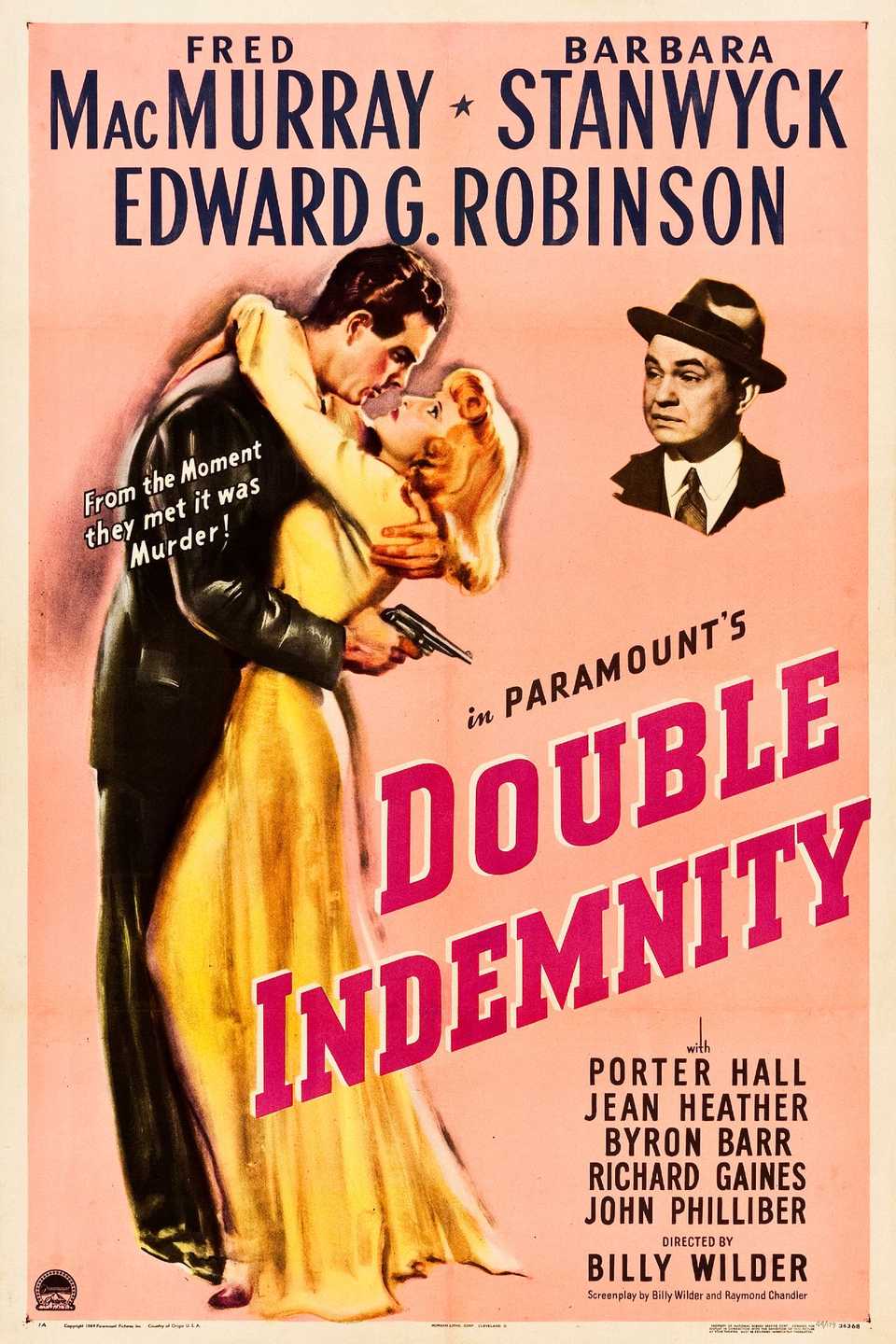
Double Indemnity
- Release Date
- July 3, 1944
- Runtime
- 107 Minutes
- Director
- Billy Wilder
- Writers
- Billy Wilder, Raymond Chandler
-

Fred MacMurray
-
Barbara Stanwyck
-
Edward G. Robinson
-
Porter Hall
KioskNews shows a cleaned-up reading view extracted from the publisher’s page — the original always lives on their site, not ours.