This tour guide turns Manila’s streets into history, heritage lessons
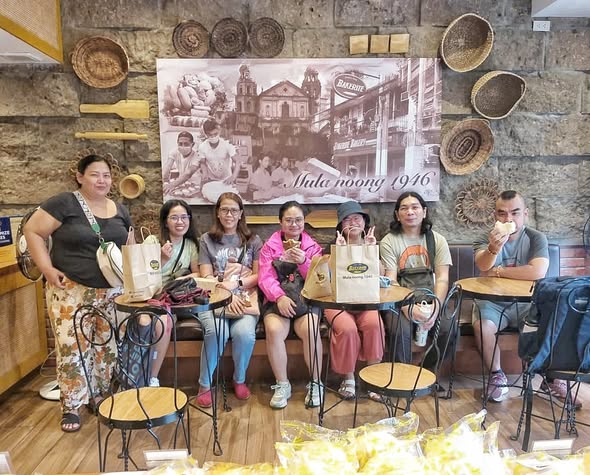
On one of my first walking tours with Jing Ordoña, he greeted me with a question: “Are you ready for some long walking?” I said yes. I should have asked how long.
By the time our New Manila walking tour ended, my phone was registering more than 32,000 steps. The bigger surprise was how much history could be found in a neighborhood I thought I already knew.
That is the idea behind Manilakad, Ordoña’s heritage and historical walking tour. Now in his 60s, he had already worked as a tour guide in 2000 but renewed his license and applied for Department of Tourism accreditation only a few years ago. Around the same time, he discovered another calling: travel writing.
His road to becoming a walking tour guide wasn’t planned. He taught English at Speechpower, worked as a swimming instructor, volunteered with the Red Cross rescue team, and worked with Haribon, where he organized swimming and scuba-diving classes and handled an ecotour in Marinduque.
A life built around travel
Ordoña’s interest in travel started early. Every Holy Week, his family would travel to the beach in Bauang, La Union, before continuing to Baguio. As a young adult, he took up mountaineering and scuba diving, and it was through these outdoor hobbies that his curiosity moved beyond landscapes.
He became interested in the history, heritage, and culture surrounding the places he visited. At the foothills of Mt. Banahaw, he became fascinated by the Rizalista community. Backpacking trips with his wife and friends took him to places that were rarely part of popular tourist itineraries.
Eventually, travel became something he wanted to share. “The way I guide or organize is also the way I travel,” he says. “It’s mostly storytelling. No gimmicks. It’s merely sharing a wonderful experience to as many people as possible.”
Long before Manilakad, Ordoña was already organizing adventure trips around the Philippines. He brought travelers to Siargao, Siquijor, El Nido, and Coron when many of these destinations were still far removed from today’s tourism industry.
He also organized trips to Marawi and, according to a tourism officer from Tawi-Tawi, was the first to organize a tour in that southern province.
Then the Abu Sayyaf kidnapping spree in the early 2000s affected the industry. Ordoña shifted toward teaching English and swimming, but never really left travel behind.
Finding his Manila
The idea for Manilakad developed from witnessing the transformation of tour guiding in Manila. The late artist Carlos Celdran had turned tour guiding into a form of performance, drawing crowds with theatrics, flair, and sarcastic humor.
Ordoña saw the opportunity but did not want to imitate the established guides in Intramuros and Binondo. Instead, he chose Ermita and Malate.
His original Manilakad flagship tour combined heritage, history, food, culture, religion, and Manila’s red-light district. It eventually received a full-page feature in a major newspaper and attracted plenty of participants, but the initial momentum eventually faded.
Ordoña responded by expanding into other parts of Manila and Metro Manila, including Old Makati, Pateros, Quezon City, and New Manila.
“I didn’t want to be a copycat,” he says. That instinct remains central to Manilakad. Rather than competing for the city’s most famous landmarks, Ordoña looks for stories hiding in neighborhoods people often pass without noticing.
Walking is part of that philosophy. He considers it practical because there is no need to hire a van, environmentally sound because it does not add another vehicle to Manila’s traffic, and personally satisfying because he used to be a mountaineer, runner, and football player.
Public transportation sometimes becomes part of the route, and participants do not have to finish the entire walk.
One such example is Train to Mauban, a tour he curated that begins with a short train ride from San Pablo to Lucena before continuing to Mauban, Quezon.
For Ordoña, the train is part of the adventure, especially for participants who have never ridden one. The journey eventually leads to Mauban’s ancestral houses, local traditions, and stories of figures such as Jesuit historian Horacio de la Costa.
The slower pace also changes the way a traveler sees the city. Instead of watching Manila pass through a vehicle window, participants encounter details at street level: old houses, small shops, churches, and buildings whose histories might otherwise remain invisible.
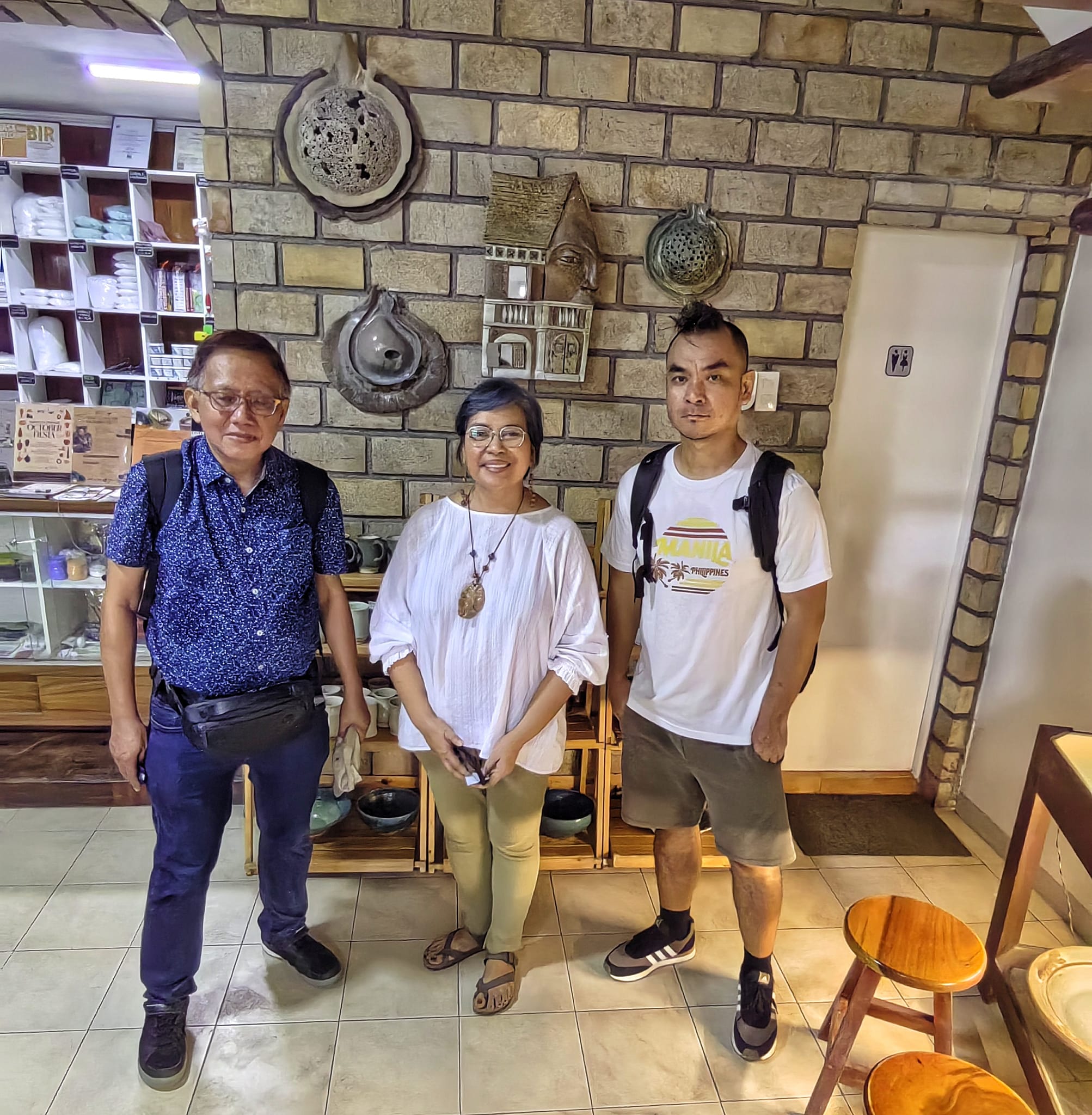
I experienced this firsthand when I joined Ordoña’s New Manila walking tour. We started in Timog and made our way toward New Manila, stopping at places that were easy to overlook, from Tahanan Pottery Shop & Studio and Papemelroti to an old furniture workshop.
As we walked, Ordoña traced the neighborhood’s history, from Magdalena Estate and its Lebanese connections to houses associated with politicians, businessmen, and actors.
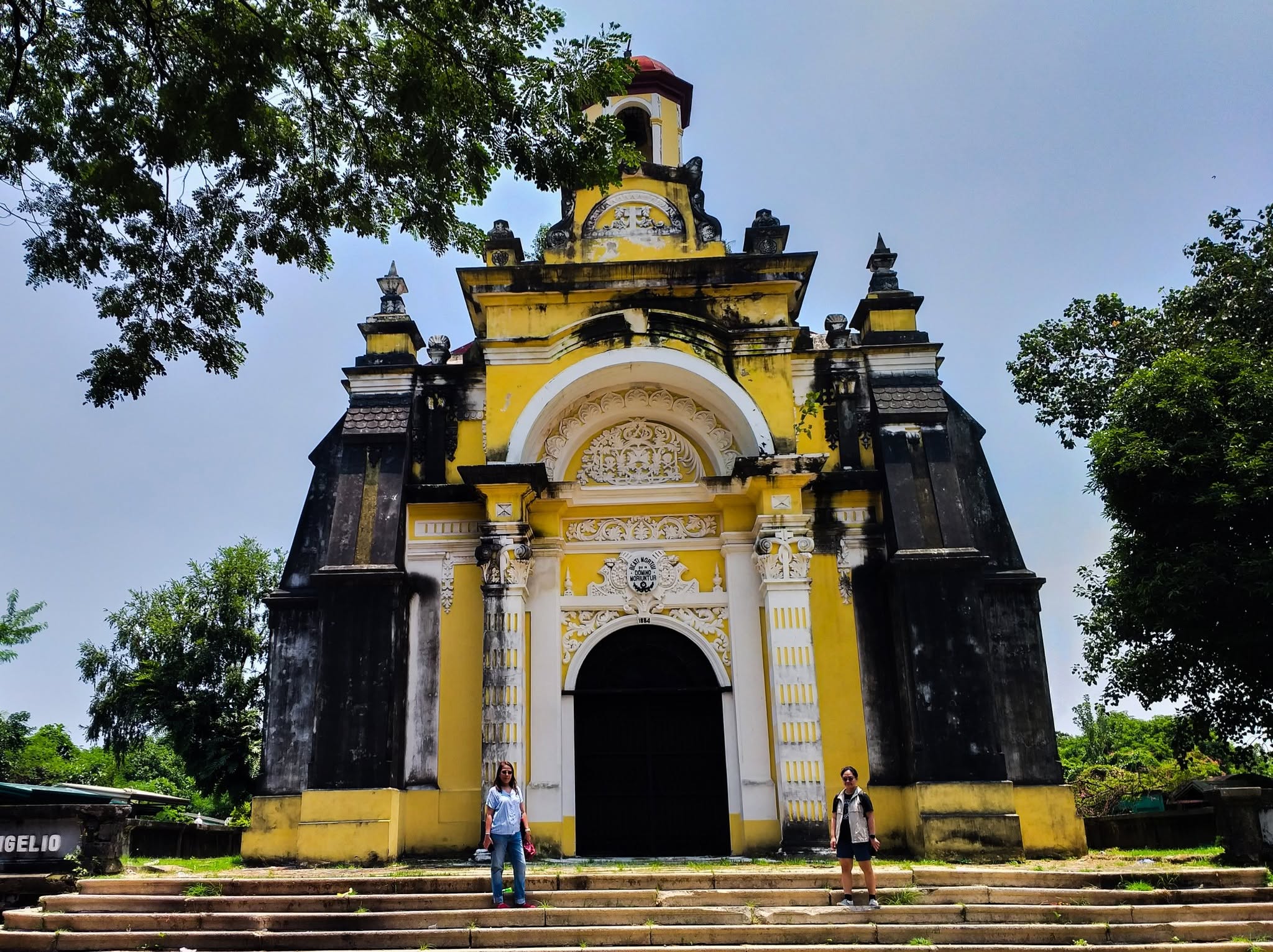
We stopped at the Pink Sisters convent and the National Shrine of Our Lady of Mount Carmel before reaching Balete Drive and the abandoned Villa Caridad, whose story opened a peek into prewar Manila, the Japanese occupation and Filipino horror films.
After our tour, New Manila wasn’t just a familiar neighborhood anymore. I now associated the neighborhood with the many stories Jing had shared along the way.
The street historian
Ordoña calls tour guides “street historians”: people who bring history and heritage out of books and museums and put them directly in front of travelers.
His method is simple: begin with something that catches attention, perhaps an unusual fact or bit of trivia, then go deeper once people are listening. Museums and ancestral houses help because they give visitors something physical to connect with.
Ordoña also believes guides have a role in heritage conservation. They read, research, write, and share information, while heritage tours bring visitors to sites that generate entrance fees and local guide fees.
For him, understanding a destination’s history and culture gives travel meaning. Without that context, a place can become little more than somewhere to take photographs, eat, and buy souvenirs.
His tours reflect that belief. He remains particularly fond of Ermita and Malate because of its unusual mix of heritage, history, food, religion, culture, and the old red-light district.
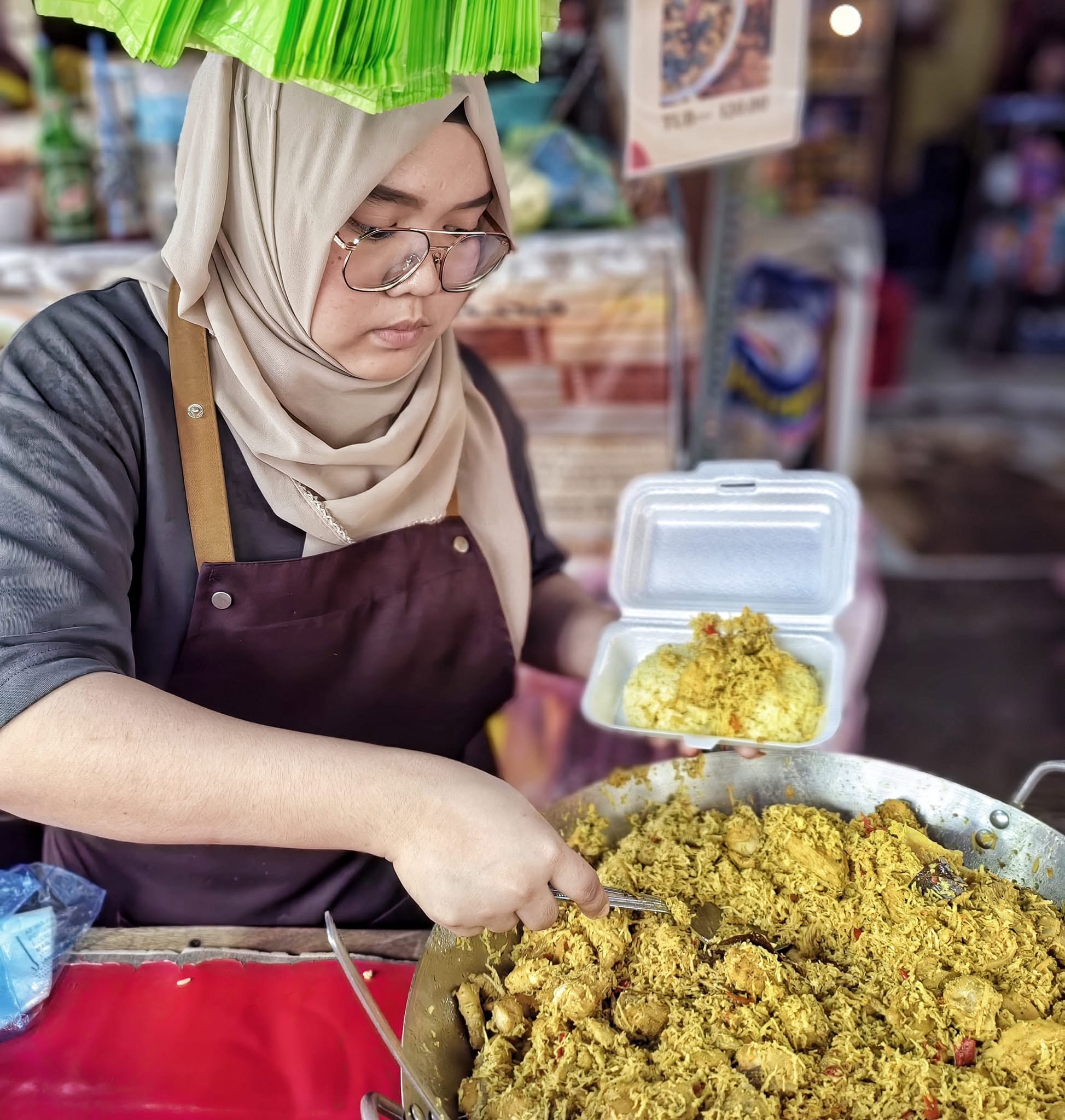
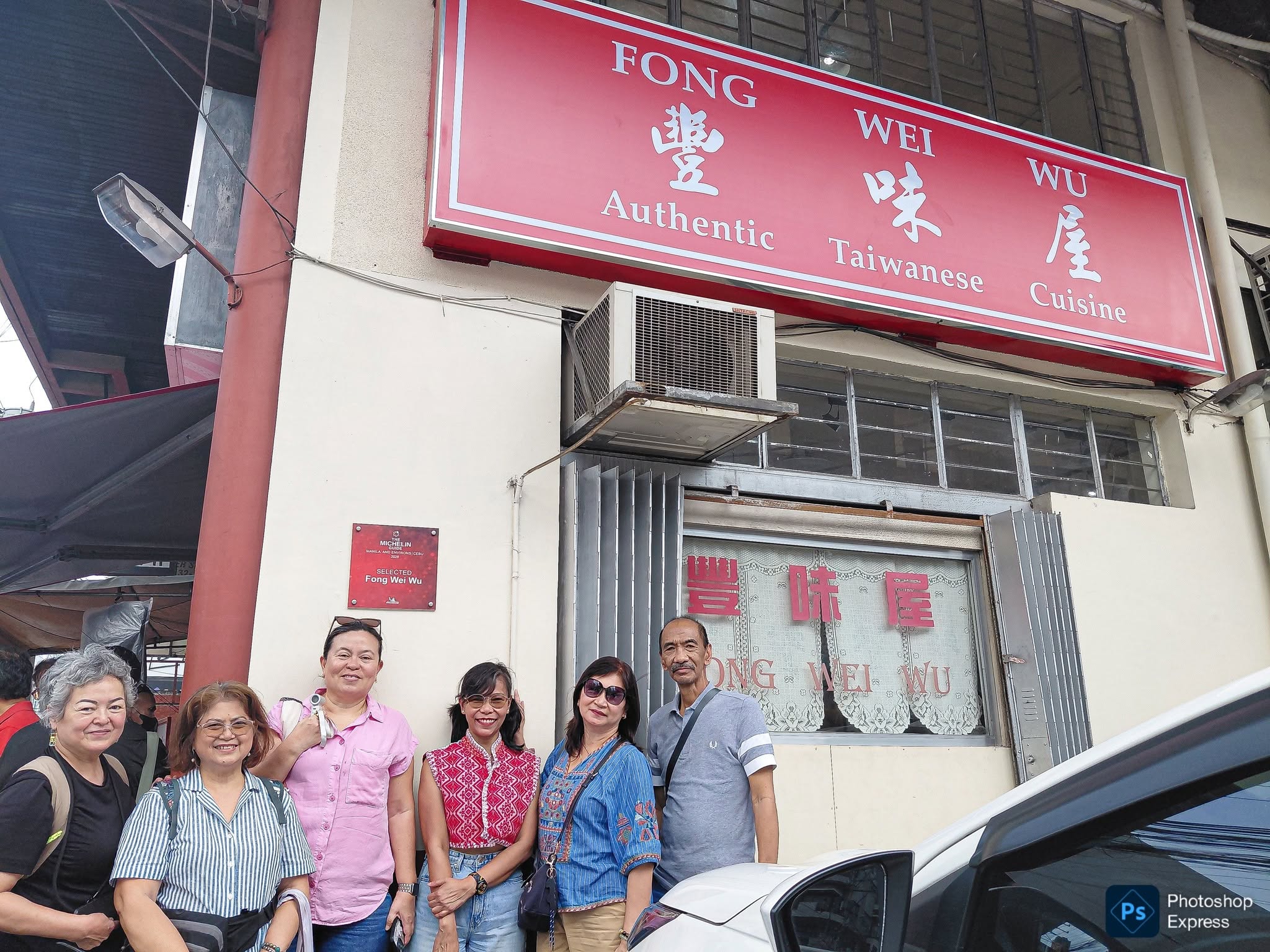
Ordoña’s Quiapo Food Crawl combines small bites with stories from the university belt, Muslim Town, Quiapo Church, and the streets leading toward Chinatown.
His Makati tour explores the contrast between old and new Makati, including two centuries-old churches and remnants of its former red-light district.
Quezon City is more personal because Ordoña grew up there. His Kamuning walk was short but had enough character to sustain a tour, while Tomas Morato now adds a food component.
New Manila began as a Halloween tour before becoming a history and church walk. His Banawe Food Crawl expands his Quezon City Chinatown route through Sto. Domingo, Mayon, San Francisco del Monte, and QC Las Casas.
To prove that walking tours are not limited to Manila, Ordoña organized a Pampanga food crawl centered around Kapampangan dishes, churches, and museums.
Another example was his Bulacan coastal tour, where walking became part of a larger journey through communities shaped by flooding and changing coastline.
After crossing waterways by boat, participants walked through the barangay of Pamarawan and other coastal villages in Malolos and Bulakan, seeing firsthand how climate change has altered everyday life.
A second calling
At this stage of his life, after corporate work and several businesses, Ordoña has returned to tour guiding with a different perspective.
“For me, tour guiding is sharing,” he says. “It’s my own way to show love of country.”
He could have chosen to work abroad but decided against it because he felt he could be more useful in the Philippines. His outlook was shaped partly by the way he traveled when he was younger.
His first trips to Boracay, Puerto Galera, and Palawan happened before these destinations were heavily promoted, and he remembers discovering that the actual places could be far better than the photographs and stories he had seen beforehand.
That same curiosity now informs his tours and his writing. He wants participants to look beyond the facade, whether they are walking through an old neighborhood or eating their way through Quiapo.
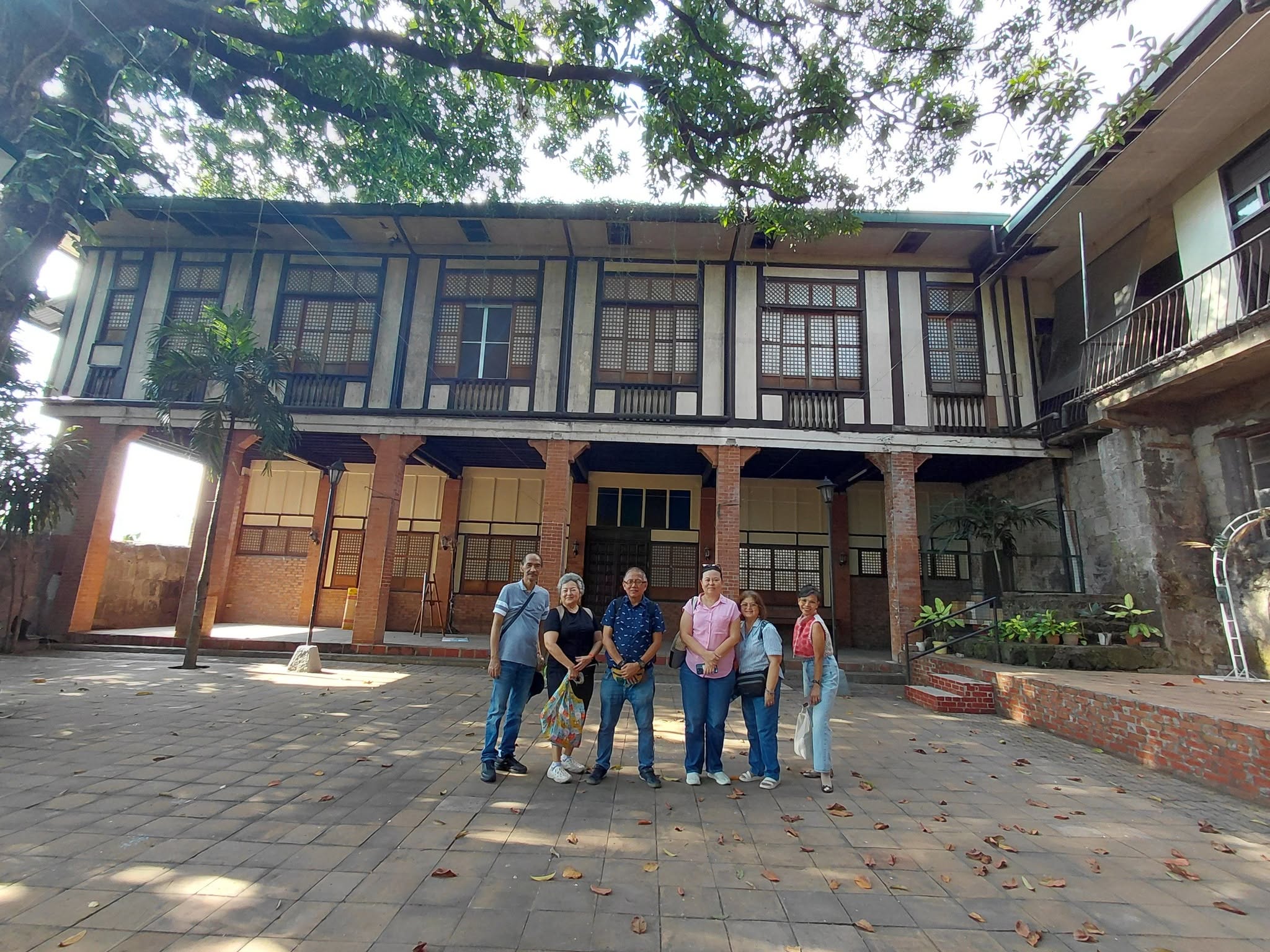
Most Manilakad tours are designed to be doable without a guide. Many of the sites are, as Ordoña puts it, “hidden in plain sight.” He is particularly happy when former participants return to places they discovered with him or use them as starting points for exploring somewhere else on their own.
For Ordoña, that may be the best outcome of a tour, not that participants remember every date or name, but that they become curious enough to continue exploring after the walk ends.
He hopes people will read more, travel more, and ask more questions about the places they encounter. Better still, he wants them to share what they discover through conversations, social media, or their own writing and content creation.
Ordoña believes he’s done his job if Manila looks a little different the next time they walk through it. The real purpose of Manilakad, according to him, is not to show people everything Manila has to offer, but to teach them how much they have unknowingly been walking past. – Rappler.com
For Manilakad tour inquiries, message Jing Ordoña on Facebook Messenger; text 0960-6975930 on Viber and WhatsApp, or email gpo.islander@gmail.com.
KioskNews shows a cleaned-up reading view extracted from the publisher’s page — the original always lives on their site, not ours.