What is ‘Fragile Five’ that PM Modi mentioned in his I-Day speech and why was India part of it?
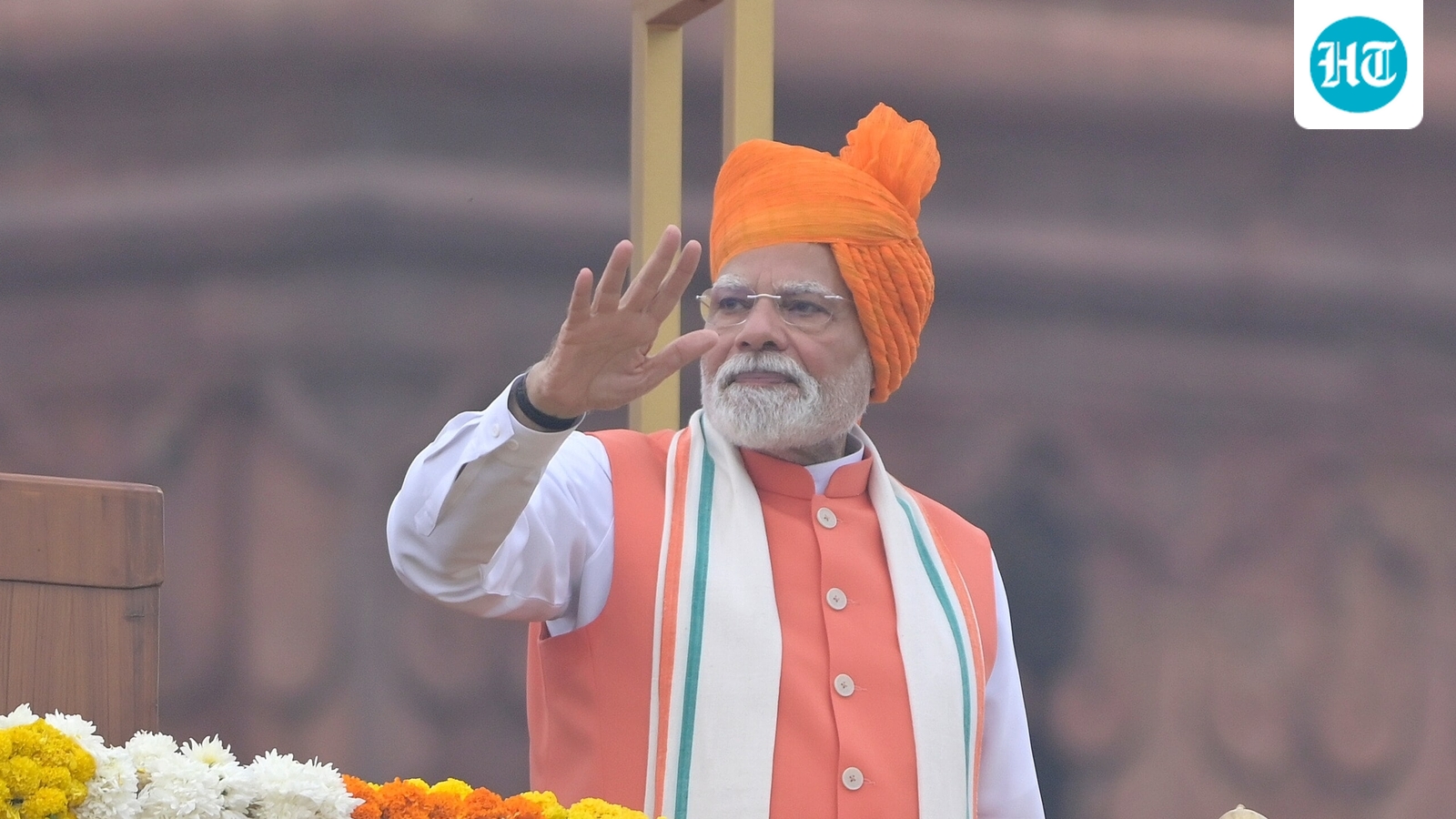
Prime Minister Narendra Modi, addressing the nation from the Red Fort on the 80th Independence Day on Saturday, said India had moved from being counted among the world’s “Fragile Five” economies to becoming a major economy over the past 12 years.
“India has transformed from 'Fragile Five' to the world's fastest-growing major economy in the last 12 years,” PM Modi said.
The Prime Minister said India’s transformation had been driven by the efforts of its people.
What is the ‘Fragile Five’?
The term “Fragile Five” was coined by global investment bank Morgan Stanley in 2013 for five emerging economies considered particularly vulnerable to external financial shocks. At that time, India was grouped with Brazil, Indonesia, South Africa and Turkey.
Also read | Free coaching, ₹1 lakh crore push: PM Modi’s big pitch to youth in I-Day speech days after student protests
The label referred to economies that were considered heavily dependent on foreign investment and vulnerable to sudden shifts in global capital flows.
India was included in the grouping amid high inflation, a widening current account deficit, a weakening rupee and significant dependence on foreign capital.
India exits ‘Fragile Five’
India moved out of the “Fragile Five” grouping in 2014 as its external balances improved and foreign exchange reserves strengthened.
Also read | PM Modi delivers shortest Independence Day speech in 4 years. His longest address was this
The IMF said India had recorded the sharpest macroeconomic turnaround among emerging economies.
PM Modi and the BJP have frequently referred to the “Fragile Five” label to contrast India's economic position during the UPA era with its subsequent growth since 2014.
Modi sets out ‘Viksit Bharat’ vision
Modi said India had carried big aspirations since Independence in 1947, but its progress had often not matched the pace it desired.
Also read | I appeal to all parties to support reservation for women in Parliament: PM Modi
He said India was now advancing with unprecedented speed and confidence and that the resolve of 140 crore Indians could not be stopped.
The prime minister reiterated the goal of building a “Viksit Bharat” or Developed India by 2047, driven by the strength and determination of 140 crore Indians.
"When the world's most populous nation sets its sights on becoming a developed country, it sends a powerful message to the world and is reshaping how the world sees India," he said, adding that any nation becomes great when it achieves its accomplishments.
Defence, electronics and digital transactions
Highlighting his government's achievements over the past 12 years, Modi said defence production had increased four times, electronic manufacturing seven times and modern railway coach production 21 times.
He also said the number of internet users had risen four times, while digital transactions had expanded 100 times.
Modi said India was also moving towards becoming a major player in the semiconductor sector.
KioskNews shows a cleaned-up reading view extracted from the publisher’s page — the original always lives on their site, not ours.