ICMR launches infectious disease surveillance network for early outbreak warnings
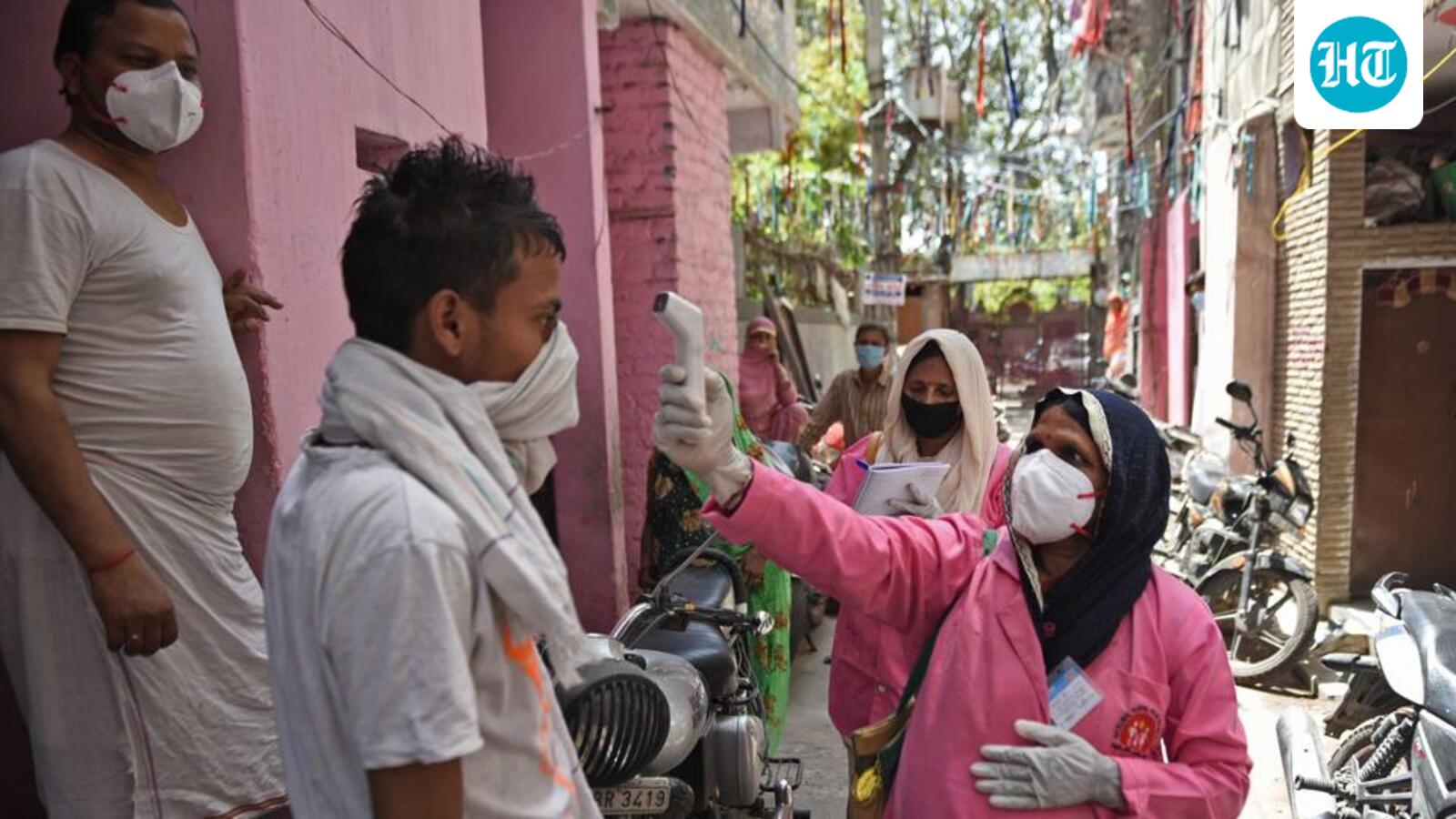
The Indian Council of Medical Research (ICMR) has launched a syndromic surveillance initiative for infectious diseases, a mechanism designed to provide early warnings of disease outbreaks, people familiar with the matter said.
The syndromic surveillance under the department of health research Virus Research and Diagnostic Laboratories (VRDL) scheme will create an early-warning network for outbreaks across 70 VRDLs and Infectious Disease Research & Diagnostic Laboratories (IRDLs).
It aims to use real-time or near real-time health data to provide immediate analysis and feedback for epidemiological investigation of potential disease outbreaks. It helps determine the size, spread, and speed of an outbreak post-detection.
A document drafted to outline the process, seen by HT, says that the laboratory testing algorithms for infectious diseases currently followed in India are varied, institute or region-specific, and largely directed towards individual diseases with sequential testing, with limited availability of scientific literature on countrywide prevalence and trends of pathogens to guide India-specific surveillance and testing policies.
“Consequently, pathogen testing in clinical microbiology laboratories differs as per institutional requirements and available laboratory resources, often missing out on common or critical pathogens, thereby hampering patient care and aggravating public health problems such as antimicrobial resistance. To address this issue, the ICMR has listed important pathogens causing critical infectious syndromes in India, in an effort to guide patient management, public health policies, and biomedical R&D,” read the document.
The priority pathogen lists were developed in consultation with eminent clinicians, laboratory experts, and epidemiologists from across the country over a series of 44 meetings. Working groups of subject experts conducted an extensive review of literature from India and other similar settings, and drew on their individual experiences to draft syndrome-wise lists of priority pathogens based on their prevalence, trends, outbreak potential, disease elimination targets, and availability of diagnostics or therapeutics.
“This document lists priority pathogens causing Acute Febrile Illness (including Acute Undifferentiated Fever, Fever with Rash, Fever with Lymphadenopathy), Acute Encephalitis Syndrome, Acute Respiratory Illness, and Acute Diarrhoeal Disease, and is intended to guide medical practitioners, laboratory experts, epidemiologists and policymakers on the diagnostic and surveillance approaches for these syndromes,” it said.
In addition, these lists are also meant to guide indigenous industry partners in developing customised, India-specific cost-effective medical countermeasures of public health importance.
The pathogens are listed in a graded approach, from commonly encountered microbes to rare, exotic, or high-risk pathogens.
Priority 1A: Commonly detected pathogens in clinical settings that are crucial to diagnose before initiating treatment; priority 1B: Other commonly detected pathogens in clinical settings; priority 2: Less common pathogens found in clinical settings; priority 3: Rare pathogens, which may not be detected in routine clinical settings and may be detected during specialized laboratory testing as a part of surveillance.
“High priority in endemic areas; outbreak prone – high priority during outbreak; seasonal – high priority during the season (post monsoon; flooding etc); a subset of test negative samples to be screened in order to understand the prevalence; high priority if history of exposure to animals- cat, rat, or rabbit; exotic— if not a common cause of acute undifferentiated febrile illness.”
KioskNews shows a cleaned-up reading view extracted from the publisher’s page — the original always lives on their site, not ours.