India’s missile tech transfer to firms signals defence self-reliance on track
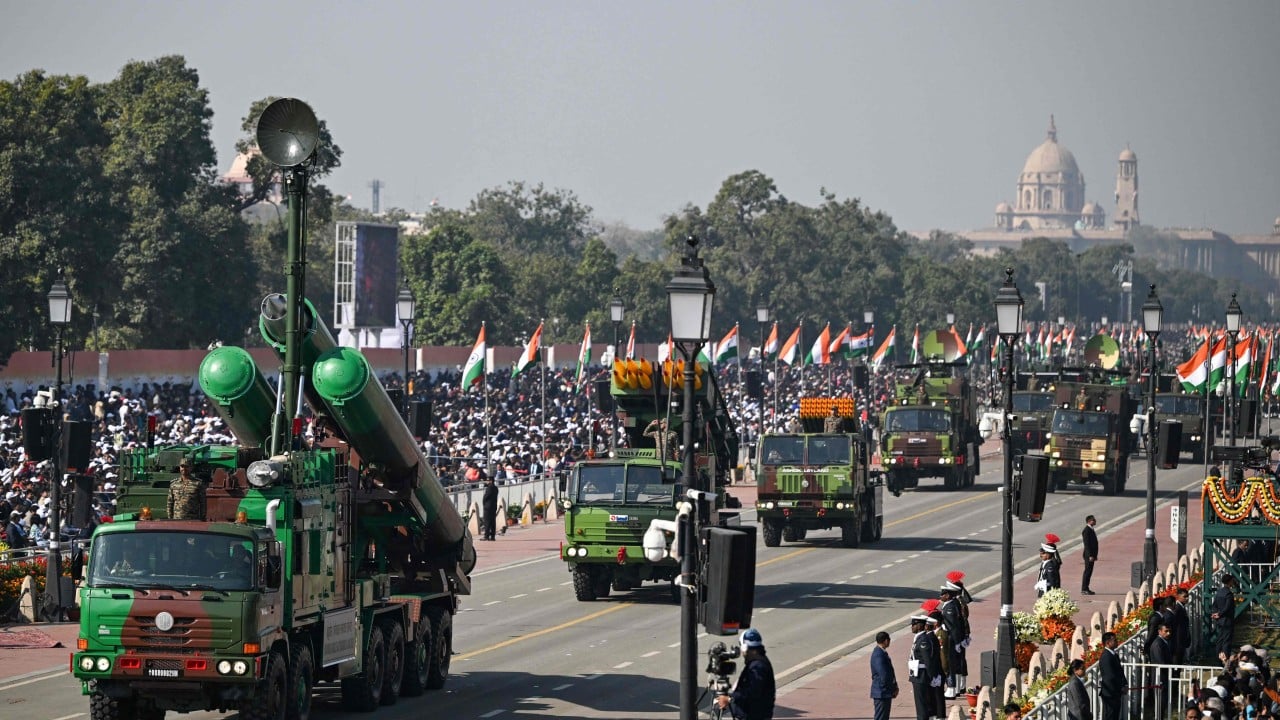
India is turning to its private industry to help produce missiles, hoping a wider manufacturing base can cut its import dependence while boosting its defence export capacity and deterrence against Pakistan and China.
But India’s push towards self-reliance in defence manufacturing is still a distant goal, according to analysts, citing its missile supply chain’s heavy reliance on imported components, while private firms have yet to prove that they can soon build complex weapons.
On Tuesday, Indian Defence Minister Rajnath Singh approved the transfer of technologies developed by the Defence Research and Development Organisation (DRDO), the research and development wing of the country’s Ministry of Defence, for all conventional missile systems to Indian defence companies for domestic production.
The move is part of New Delhi’s Aatmanirbharta (self-reliance) campaign aimed at strengthening its defence manufacturing sector and reducing its dependence on overseas suppliers.
Gaurav Kumar, a researcher at the United Service Institution of India, a defence think tank, said the national objective would take many years to achieve, citing the complexity of missile production.
“A missile is one of the hardest things to build. It packs propulsion, electronics and software into a small tube, and everything has to work perfectly. India’s private firms have the money and the factories, but they’ve never built a full missile on their own,” Kumar said.
KioskNews shows a cleaned-up reading view extracted from the publisher’s page — the original always lives on their site, not ours.