Chinese youth ditch office jobs for global travel as ‘flight companions’ for seniors, pets
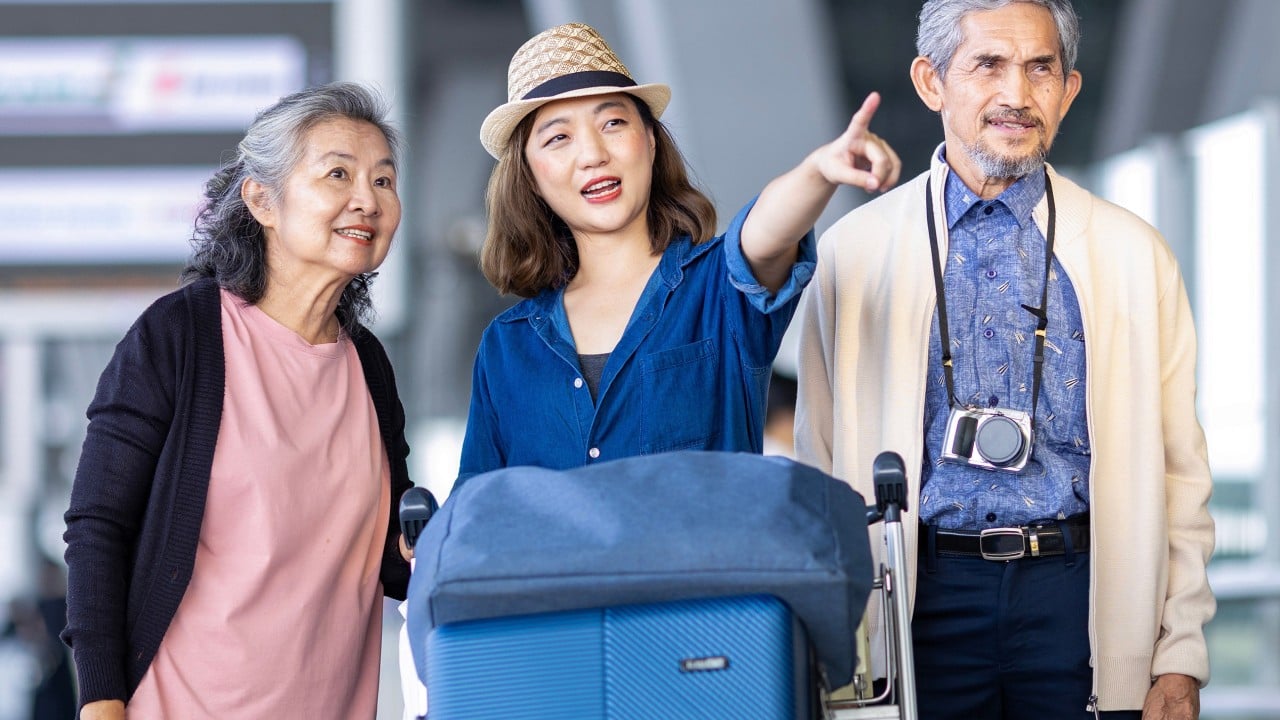
Some young people in China are turning away from traditional office jobs to “travel the world for free” as flight companions.
This autumn, a wave of job-seeking posts appeared on mainland Chinese social media, as self-described “international flight companions” sought clients.
One woman, who uses the handle “Spicy K,” wrote that she plans to draw on her fluent English and solo-travel experience to launch a flight companion service.
Her offerings include helping elderly travellers navigate customs, transporting pets and carrying goods.
She also said she refuses to leave the airport in some Southeast Asian countries where scam gangs are known to operate.
In the past, several Chinese career bloggers have promoted the role to international students as a niche career path suited to avid travellers.

Meanwhile, other social media accounts claim to offer more structured services.
An account with more than 15,000 followers, called “Wall Street Engine,” advertises “butler-style” companionship for Chinese travellers heading to Britain.
The service costs £150 (US$200) per hour, plus a £450 service fee. Staff must be men aged 35 or older, have lived in the UK for at least three years, and wear British-style suits throughout the trip.
In October, the mainland newspaper Yangtse Evening Post profiled Liu, who has worked in the industry for five years.
An avid traveller who has visited dozens of countries, Liu moved into full-time flight companionship after connecting with cross-border agencies.
He charges from several thousand to tens of thousands of yuan per trip, including round-trip airfare, meals and accommodation. His clients have ranged from three-year-old children to seniors in their 80s.
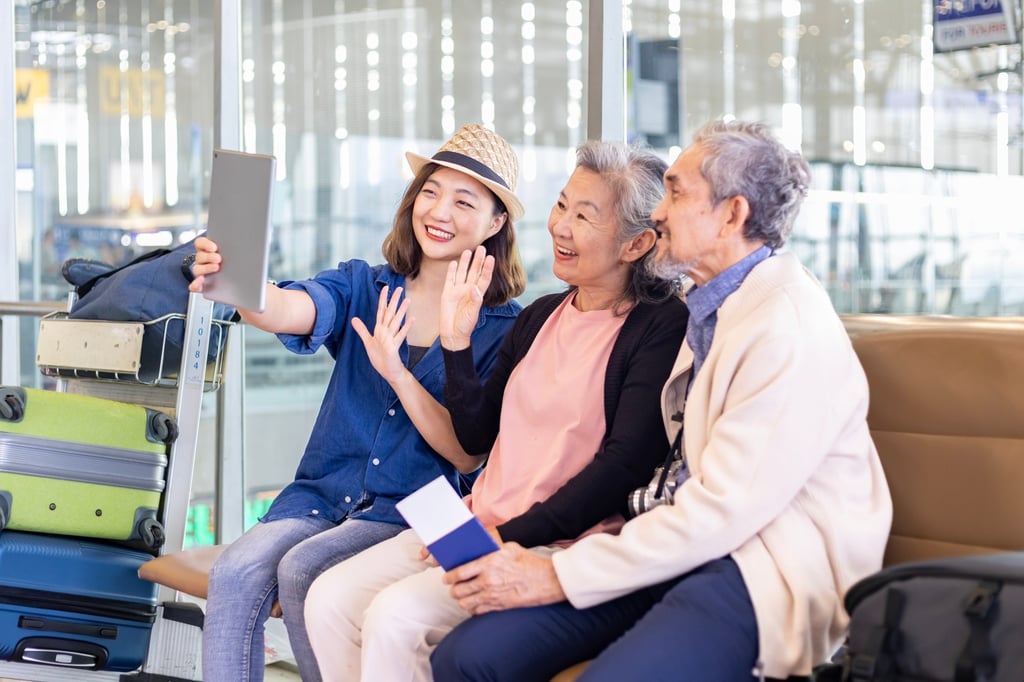
“People living abroad often want their elderly parents or children in China to visit during the holidays, but they don’t feel comfortable letting them fly alone,” Liu said.
For these passengers, he checks their health in advance, prepares their entry and exit paperwork, and looks after them throughout the flight.
Clients also hire Liu to transport items. One memorable “passenger” was a little girl’s bedtime doll, accidentally left behind when her family moved to the US.
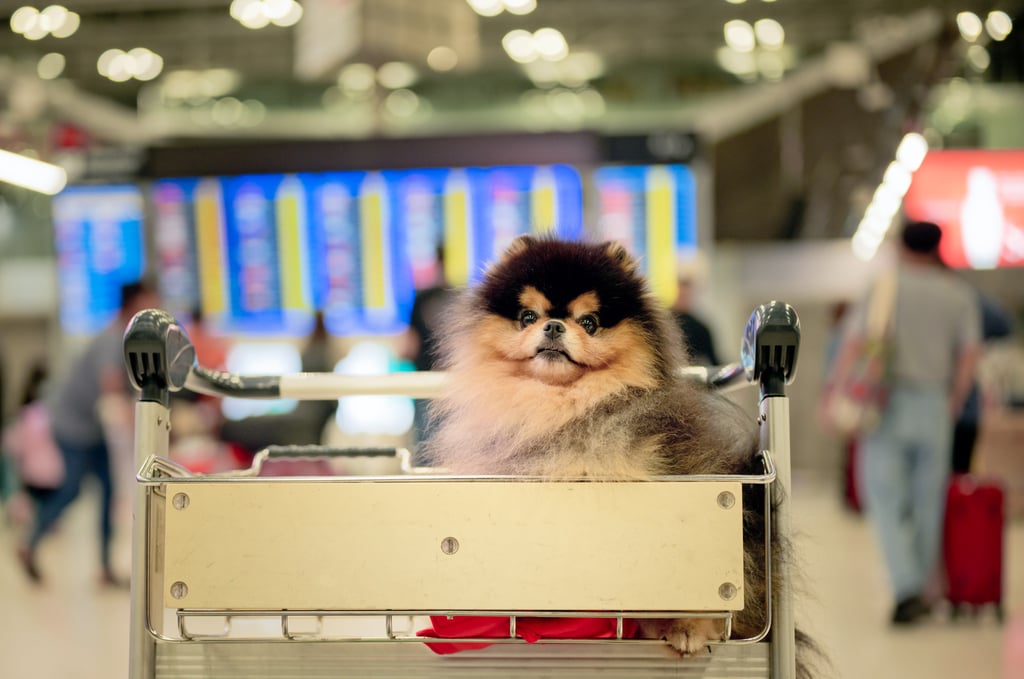
His team also has pet specialists, who once escorted a dog valued at 200,000 yuan (US$30,000).
Another flight companion, surnamed Wang, from Hangzhou in eastern China, specialises in hand-carrying urgent business items such as contracts and trade show samples, offering faster delivery than standard couriers.
However, industry insiders stress that the barrier to entry is high: the work requires multiple visas, translation skills and extensive knowledge of airport procedures around the world.
Liu also warned of legal risks, noting that companions must inspect cargo to avoid prohibited items. The work can also take a physical toll, with jet lag and long periods of sitting. He logged more than 1,000 flight hours last year alone.
As one online commenter cautioned, the role involves handling constant emergencies and is “not suitable for young people who just want to travel for free.”
“This job is not for idle people with nothing better to do either, because they probably would not even be able to get the visas approved,” another commenter wrote.
KioskNews shows a cleaned-up reading view extracted from the publisher’s page — the original always lives on their site, not ours.